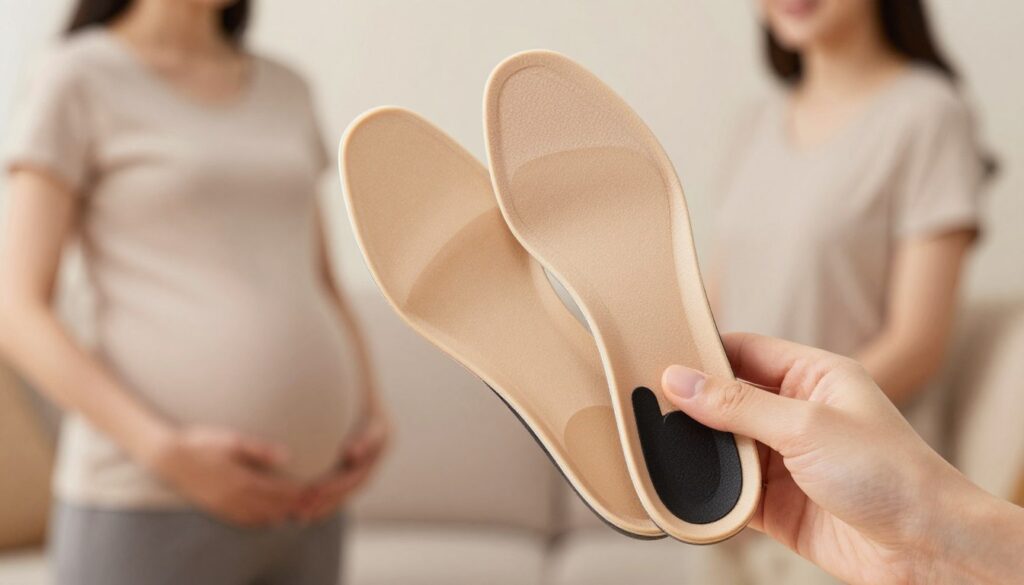
Pregnancy is a time of great change and joy. But it also brings physical changes that can cause pain. Many women experience foot pain, which can be very uncomfortable.
The feet take on extra weight and change how we walk during pregnancy. This can lead to pain and discomfort. Orthotics are often suggested as a way to ease this pain.
Orthotics support the feet and help them stay in the right position. This can lessen the strain from pregnancy-related foot pain.
Key Takeaways
- Pregnancy can cause significant foot pain due to physical changes.
- Orthotics may help alleviate this discomfort.
- Proper support and alignment can reduce strain on the feet.
- Relief from foot pain can improve overall well-being during pregnancy.
- Consulting a healthcare professional is advised before using orthotics.
Understanding Pregnancy-Related Foot Changes
Pregnancy changes a woman’s body in many ways, affecting the feet. The body gets ready for childbirth, leading to foot changes.
Physiological Changes During Pregnancy
Women go through many changes during pregnancy. One big change is weight gain. This extra weight puts more pressure on the feet.
This pressure can strain the foot’s arch and joints. It might cause discomfort or pain.
Weight Distribution Shifts
The growing uterus changes where the body’s center of gravity is. This shift affects a woman’s posture and how she walks.
The changed weight puts extra stress on the feet. It can cause problems like overpronation or flat feet.
Hormonal Influences on Ligaments
Hormonal changes, especially the release of relaxin, make ligaments loosen. This looseness can make the feet unstable.
Feet become more likely to get injured or develop conditions like plantar fasciitis.
Knowing about these changes helps manage foot health during pregnancy. By understanding the changes, women can prevent foot pain and discomfort.
Common Foot Conditions Experienced During Pregnancy
Women often face foot problems during pregnancy. These issues come from changes in their body, how they walk, and hormonal shifts.
Plantar Fasciitis
Plantar fasciitis is when the plantar fascia gets inflamed. This causes pain in the heel and foot’s bottom. Wearing the right shoes and using orthotics can ease this pain.
Edema and Swelling
Edema, or swelling, is common in the feet and ankles during pregnancy. It can be uncomfortable and make finding shoes hard. Try elevating your feet and wearing supportive shoes to lessen swelling.
Flat Feet and Overpronation
Some women may see flat feet get worse during pregnancy. This is because of ligament relaxation. Orthotics can help support the arch and reduce pain.
Metatarsalgia
Metatarsalgia is pain in the foot’s ball area. It’s caused by extra pressure on the metatarsal bones. Using orthotics or pads can help spread out the pressure and ease pain.
| Condition | Symptoms | Relief Measures |
|---|---|---|
| Plantar Fasciitis | Heel pain, pain in the bottom of the foot | Proper footwear, orthotics |
| Edema and Swelling | Swollen feet and ankles | Elevating feet, comfortable shoes |
| Flat Feet and Overpronation | Foot pain, overpronation | Orthotics, arch support |
| Metatarsalgia | Pain in the ball of the foot | Orthotics, metatarsal pads |
The Biomechanics of Pregnancy and Foot Pain
Biomechanical changes during pregnancy can affect foot health and comfort. The way a woman walks, stands, and distributes her weight changes.
Center of Gravity Changes
As the belly grows, the body’s center of gravity shifts. This changes posture and gait. It can cause discomfort and pain in the feet and joints.
Gait Adaptations
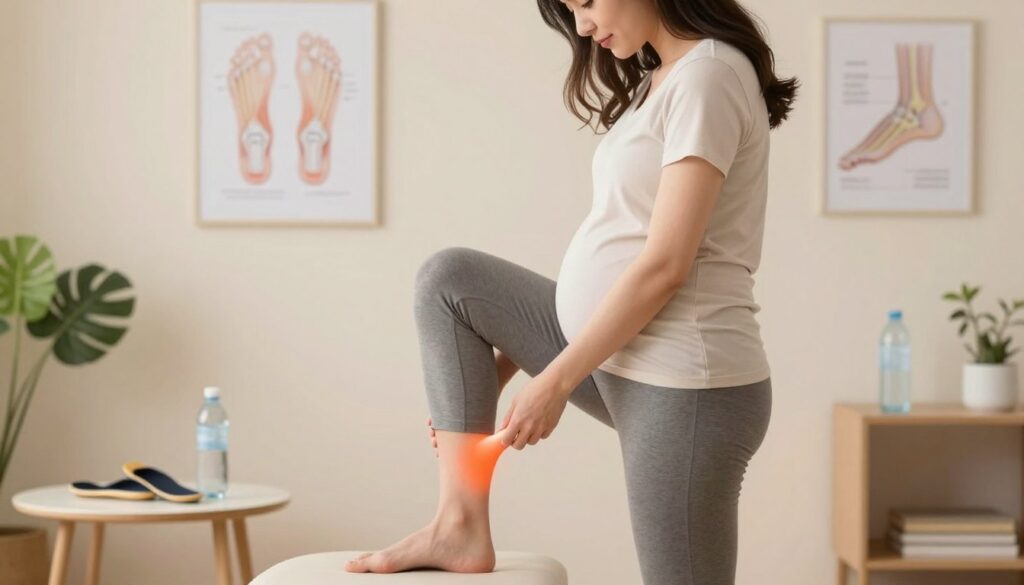
Pregnancy leads to gait adaptations as the body adjusts to the changed center of gravity. This can cause overpronation or supination, affecting foot health.
Postural Compensation
Postural changes during pregnancy also impact foot health. The body may adjust posture to compensate for the growing belly. This puts additional stress on the feet.
| Biomechanical Change | Effect on Foot Health |
|---|---|
| Center of Gravity Shift | Increased strain on feet and joints |
| Gait Adaptations | Overpronation or supination |
| Postural Compensation | Additional stress on feet |
Understanding these biomechanical changes is key to managing pregnancy-related foot pain. Healthcare providers can offer better solutions by addressing these changes.
How Orthotics for Pregnancy Foot Pain Work
Expectant mothers often face foot pain. Orthotics can offer a lot of relief. They are made to support and ease the discomfort caused by pregnancy-related foot changes.
Mechanical Support Principles
Orthotics use mechanical support principles to stabilize the foot. This is key during pregnancy, when the body changes a lot. These changes include weight gain and shifts in posture.
The support from orthotics helps in many ways:
- It reduces strain on the foot’s arch and muscles.
- It provides stability to counteract the effects of loosened ligaments.
- It supports the foot’s natural alignment.
Pressure Redistribution
Orthotics also focus on pressure redistribution. They spread the body’s weight evenly across the foot. This helps to ease pressure points that can become painful during pregnancy.
Effective pressure redistribution can lead to:
- Reduced pain in the heel and ball of the foot.
- Less strain on the toes and forefoot.
- Improved overall foot comfort.
Alignment Correction
Orthotics also help with alignment correction. They support the foot in its natural position. This helps maintain proper alignment, reducing the risk of overpronation or supination.
Proper alignment can result in:
- Better distribution of body weight.
- Reduced risk of injuries due to improper gait.
- Enhanced overall stability.
Understanding how orthotics work can help pregnant women manage their foot health. They provide mechanical support, redistribute pressure, and correct alignment.
Types of Orthotics Suitable During Pregnancy
Orthotics can help with foot pain during pregnancy. There are different types to choose from. Knowing your options can help you take care of your feet.
Over-the-Counter Options
OTC orthotics are easy to find and use. They come in various sizes and support levels. They’re good for mild to moderate pain.
A study showed OTC orthotics can help with plantar fasciitis. This is a common issue during pregnancy. For more info, check out Garnet Solutions.
Custom-Made Orthotics
Custom orthotics offer more specific support. They’re made to fit your foot perfectly. They’re great for severe pain or existing conditions.
A healthcare professional can help decide if you need custom orthotics. They’ll make a device that fits your needs.
Material Considerations
The material of orthotics affects how comfortable and effective they are. Look for support and breathability.
Soft vs. Rigid Support
Orthotics can be soft or rigid. Soft ones are for comfort, while rigid ones offer more support. Choose based on your needs and pain.
Breathability and Comfort
Keeping your feet dry is important, especially during pregnancy. Look for materials that breathe well. Comfort is key, as you’ll wear them a lot.
“The right orthotic can make a significant difference in managing pregnancy-related foot pain, improving overall comfort and mobility.”
| Type of Orthotic | Support Level | Breathability |
|---|---|---|
| Over-the-Counter | Variable | Moderate |
| Custom-Made | High | High |
| Soft Orthotics | Low-Moderate | High |
| Rigid Orthotics | High | Low |
Pregnant women have many orthotic options to ease foot pain. From OTC to custom-made, understanding your choices is key to good foot health during pregnancy.
Potential Benefits of Orthotic Support During Pregnancy
Pregnancy can lead to foot issues. Orthotics offer support and stability, which is key during these changes.

Pain Reduction Possibilities
Orthotics can greatly reduce pain during pregnancy. They spread pressure evenly, easing strain on sensitive spots. This is especially helpful for those with plantar fasciitis or other foot pains. A study on the National Center for Biotechnology Information shows they can cut down foot pain in pregnant women.
Improved Stability and Balance
Orthotics also boost stability and balance during pregnancy. As the body changes, balance shifts. Orthotics offer extra support, making it easier to move around.
Long-Term Foot Health Considerations
Orthotics have long-term benefits for foot health. They ensure proper support and alignment, preventing future issues. This is crucial for women with existing foot problems or those prone to them.
| Benefit | Description |
|---|---|
| Pain Reduction | Orthotics help redistribute pressure, reducing strain on sensitive areas. |
| Improved Stability | Additional support and stability make it easier to move around. |
| Long-Term Foot Health | Proper support and alignment can prevent future foot problems. |
When to Consider Orthotic Intervention
Knowing when to get orthotics during pregnancy is key to managing foot pain. Pregnant women should watch for signs that they need orthotics. This ensures they get the right support during their pregnancy.
Early vs. Late Pregnancy Considerations
The timing of pregnancy affects when to think about orthotics. Early pregnancy might not need orthotics unless there’s a foot problem before getting pregnant. But, as pregnancy goes on, the body changes can cause foot pain.
By the second or third trimester, many women feel more foot pain. This is because of weight gain and changes in how they walk.
It’s important to keep an eye on foot health during pregnancy. If pain gets worse, think about getting orthotics. Talking to a healthcare professional or podiatrist can help decide if orthotics are right.
Severity Assessment
How bad the foot pain is matters a lot. Mild pain might be fixed with stretching or supportive shoes. But, severe or ongoing pain might need orthotics.
A healthcare expert can check how bad the pain is. They might look at your history, do a physical check, and sometimes use imaging. This helps figure out the best way to help.
Pre-existing Foot Conditions
Women with pre-existing foot conditions like flat feet or high arches might need orthotics early. These conditions can get worse with pregnancy changes.
Orthotics can help support these conditions and reduce pain. A podiatrist or healthcare provider can suggest the best orthotics for your condition and pregnancy stage.
Understanding when to get orthotics can help pregnant women manage their foot health. It’s about knowing how your body changes and getting help when needed.
Selecting Appropriate Footwear with Orthotics
Choosing the right shoes is key when using orthotics during pregnancy. The shoes should work well with the orthotics for comfort and support.
Shoe Features That Complement Orthotics
It’s important to pick shoes that match well with orthotics. Look for shoes with removable insoles to fit the orthotics perfectly. A wide toe box helps avoid toe pressure. Also, breathable materials keep your feet cool and dry.
A study in the Journal of Foot and Ankle Research found that the right shoes with orthotics improve foot comfort and reduce pain. For more on foot care and orthotics, check out Gait Doctor’s website.
| Shoe Feature | Benefit |
|---|---|
| Removable Insoles | Accommodates orthotics comfortably |
| Wide Toe Box | Reduces pressure on toes |
| Breathable Materials | Keeps feet cool and dry |
Accommodating Changing Foot Size
Foot size can change during pregnancy due to swelling. It’s important to check your foot size often and adjust your shoes. Look for shoes with adjustable closures to fit changing foot sizes.
“Pregnancy can cause feet to swell, so it’s crucial to wear shoes that can adapt to these changes,” says a podiatry expert.
Seasonal Considerations
Footwear needs vary with the seasons. In warm weather, choose breathable shoes to stay cool. For cold weather, opt for insulated and waterproof shoes to keep your feet warm and dry.
By picking the right shoes, pregnant women can get the most out of their orthotics. This makes pregnancy more comfortable.
Complementary Approaches to Managing Pregnancy Foot Pain
Complementary methods offer a holistic way to tackle pregnancy foot pain. They work alongside orthotics for full relief.
Gentle Stretching Exercises
Gentle stretching can ease foot and leg tension. Daily toe curls and heel raises improve flexibility and cut pain. Stretching the plantar fascia is key for heel pain relief.
To stretch the plantar fascia, sit on the floor with legs straight. Loop a towel around your foot’s ball and pull your toes back. Hold for 15-30 seconds, repeat 2-3 times.
Foot Massage Techniques
Foot massage is great for pain reduction and relaxation. Gentle massage boosts circulation and lessens swelling. Using a foam roller or tennis ball on your foot soles is very helpful.
For focused massage, press the arch of your foot with your thumbs. Work from heel to toes. You can also get help from a partner or massage therapist.
Elevation and Rest Strategies
Elevating your feet reduces swelling and pain. Always elevate them above your heart to improve blood flow. Resting and avoiding hard activities also helps manage pain.
Make sure to take breaks to rest and elevate your feet. This is especially important if your job involves standing or walking.
Cold and Heat Therapy
Cold and heat therapy can both help with foot pain in pregnancy. Cold reduces inflammation, while heat relaxes muscles. Alternating between cold and heat can effectively manage pain.
Use an ice pack or cold compress wrapped in a towel to avoid skin contact. For heat, use a warm washcloth or a heating pad on low.
Conclusion: Supporting Your Journey Through Pregnancy
Pregnancy can be tough for women, with many physical changes. Foot pain is common, but orthotics can help. They support your feet and make you feel better.
Knowing how your body changes during pregnancy helps. Orthotics can ease foot pain. They give your feet the support they need, making your pregnancy more comfortable.
It’s key for pregnant women to take care of their feet. Seeing a healthcare professional is a good first step. They can recommend the right orthotics for you. Remember, a healthy lifestyle is also important. This includes stretching and wearing the right shoes.
Disclaimer: The information provided is for general guidance and is not intended to be a substitute for professional medical advice.