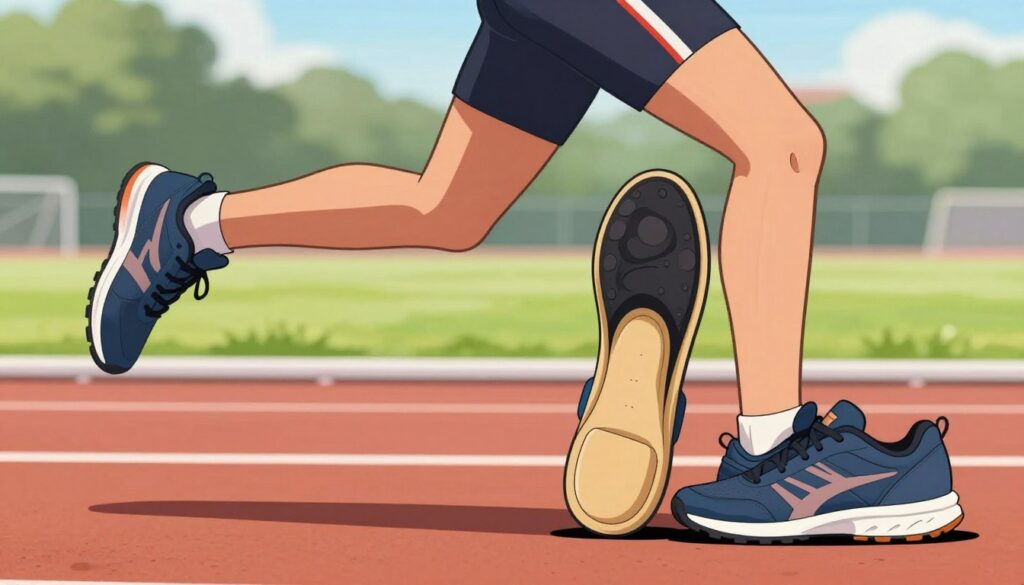
Athletes in high impact sports often struggle with foot support and alignment. This can really hurt their athletic performance. Custom orthotics can help a lot by improving foot mechanics. This can make athletes perform better and lower the chance of getting hurt.
Orthotics give extra support and absorb shock. This helps athletes keep their feet in the best position during tough activities. If you have foot or gait problems, seeing a specialist is a good idea. They can help with issues like those listed on the Gait Doctor’s problems we solve page.
Key Takeaways
- Custom orthotics can enhance athletic performance by improving foot mechanics.
- Orthotics provide additional support and shock absorption during high impact activities.
- Proper foot alignment is crucial for optimal athletic performance.
- Consulting a specialist can help address specific foot or gait issues.
- Orthotics can be tailored to individual needs, including those participating in high impact sports.
Understanding Orthotics in Athletic Performance
For athletes in high-impact sports, knowing about orthotics is key. They help improve performance and lower injury risk. Orthotics are not just for fixing injuries; they boost athletic skills.
What Are Orthotics?
Orthotics are special shoe inserts that fix biomechanical imbalances. They spread out pressure and support the feet, ankles, and legs. This keeps the feet in the right position, which is vital for top athletic performance.
The Role of Foot Mechanics in High Impact Activities
Foot mechanics are very important in high-impact sports. Bad foot mechanics can cause problems like overpronation or supination. These can lead to injuries. Orthotics fix these issues by giving the right support and alignment, improving athletic performance.
Orthotics for High Impact Sports: Fundamental Principles
For athletes in high-impact sports, biomechanical support from orthotics is key. Custom orthotics are made after a detailed look at a person’s foot, how they walk, and any health issues. This way, each athlete gets orthotics that meet their specific needs.
Biomechanical Support Mechanisms
Orthotics mainly offer biomechanical support. This is vital for keeping the foot in the right position and working right during intense activities. They help prevent too much stress on muscles and joints. Studies on orthotics in sports show they are important for better athletic performance.
Force Distribution and Impact Absorption
Orthotics also help with force distribution and impact absorption. They spread out the forces on the foot during intense activities, lowering injury risk. Orthotics with materials for absorbing impact can also lessen stress on the lower body.
Good force distribution and impact absorption are key for athletes in high-impact sports. They can greatly affect performance and injury risk.
Common Foot Issues in High Impact Sports
High impact sports can cause specific foot problems. These issues can affect how well you perform and how comfortable you feel. It’s important for athletes to know about these problems.
Overpronation and Supination
Overpronation happens when your foot rolls inward too much. Supination is when it rolls outward. Both can lead to foot imbalances and injuries. Orthotics can offer the support needed to fix or lessen these issues.
Plantar Fasciitis and Heel Pain
Plantar fasciitis is when the plantar fascia gets inflamed, causing heel pain. It’s common in runners and jumpers. Orthotics can help by supporting the arch and adding cushioning.
Stress Fractures and Repetitive Strain
Stress fractures are tiny bone cracks from repeated stress. In high impact sports, they often happen in the feet. Orthotics can help by spreading out pressure and lessening stress on weak spots.
It’s key for athletes to understand these foot issues to prevent them. Orthotics are vital in managing and preventing these problems. They help improve athletic performance.
Types of Orthotics Available for Athletes
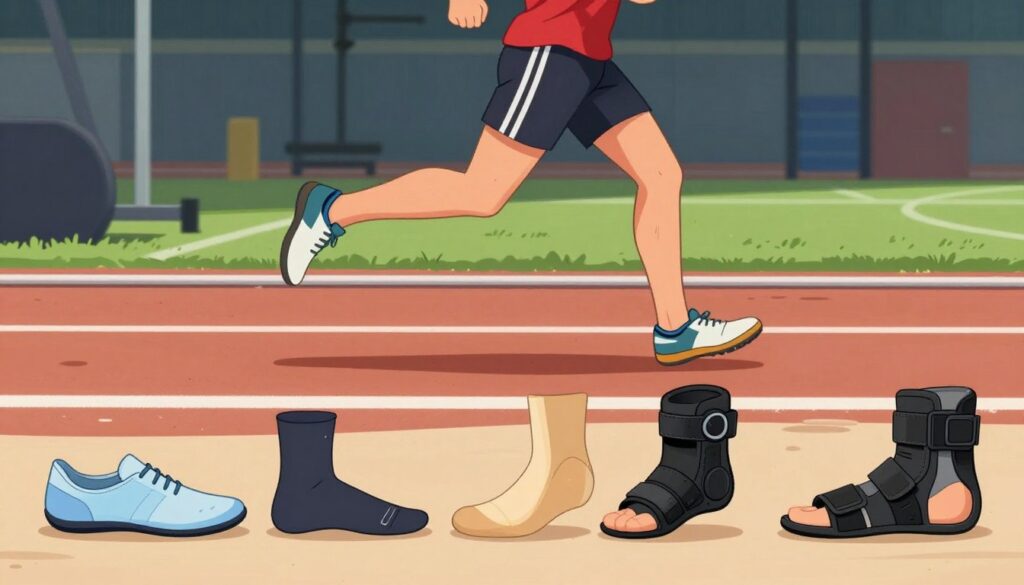
Athletes have many orthotics options, like over-the-counter and custom-made ones. The best choice depends on their foot problems, sport demands, and personal likes.
Over-the-Counter vs. Custom Orthotics
OTC orthotics are easy to find and affordable for mild foot issues. But, custom orthotics are made for your exact foot needs. They offer a better fit.
Price Considerations and Accessibility
OTC orthotics are cheaper and easier to get than custom ones. But, custom orthotics might be worth it for their precise fit and better performance.
Customization Options
Custom orthotics let you choose from many materials and designs. This is because “a study on orthotics in sports highlights, customization can significantly impact performance and injury prevention”
“The customization of orthotics allows for a more precise addressing of an athlete’s biomechanical issues, potentially leading to improved performance and reduced risk of injury.”
Material Considerations
The material of orthotics affects how well they work and last. Athletes can pick from various materials, each with its own benefits.
Rigid vs. Semi-Rigid vs. Soft Materials
Rigid materials give strong support, great for serious foot problems. Semi-rigid materials balance support and flexibility. Soft materials are for comfort and cushioning.
Durability Factors
Orthotics’ durability depends on the material and how they’re used. Regular checks and care can make them last longer.
Sport-Specific Designs
Each sport has unique needs, and orthotics can be made to fit these. Runners might need extra cushioning, while basketball players might need lateral support.
Potential Benefits of Orthotics in Athletic Performance
Orthotics are key for better athletic performance in many sports. They offer support and stability. This helps athletes perform well and lowers injury risk.
Improved Alignment and Stability
Orthotics improve alignment and stability. They fix biomechanical issues. This keeps athletes’ feet in the right position, easing muscle and joint strain.
This leads to improved overall performance and less fatigue.
Potential for Injury Risk Reduction
Orthotics also lower injury risk. They add support and cushioning. This absorbs impact from high-impact activities, easing stress on joints and muscles.
Supporting Recovery from Existing Conditions
For athletes with injuries or conditions, orthotics offer great support. They reduce stress and strain on affected areas. This helps athletes recover faster and more effectively.
Addressing Biomechanical Inefficiencies
Orthotics can fix biomechanical issues that slow athletes down. They correct problems like overpronation or supination. This makes athletes move more efficiently and effectively.
Limitations and Realistic Expectations
Orthotics can be helpful, but we should know their limits. They are made to support the feet and fix some issues. But, they can’t solve all problems with athletic performance.
What Orthotics May and May Not Address
Orthotics can help with foot problems like overpronation or supination. They give the right support and alignment. But, they can’t fix everything, like muscle strength or how well you perform.
It’s important to see orthotics as part of a bigger plan to get better. They are not the only answer.
| Issue | Orthotics Can Help | Orthotics May Not Help |
|---|---|---|
| Foot Mechanics Issues | Yes, by providing support and alignment | No, if the issue is related to other factors |
| Muscle Strength | No, as it requires specific training | Yes, if combined with appropriate training |
| Athletic Technique | No, as it requires coaching or practice | Yes, if used alongside technique improvement |
Adaptation Period and Potential Challenges
When starting orthotics, athletes need time to adjust. They might feel some discomfort as their feet get used to the new support. Finding the right fit and making sure they work with different shoes can be tough.
Working with a healthcare professional can help overcome these hurdles. They can guide you through the process.
Sport-Specific Considerations for Orthotic Use
Orthotics in sports are not one-size-fits-all. Each sport has its own needs. This means orthotics must be made for each sport’s specific demands.
Running and Track Sports
Runners and track athletes need orthotics for the impact and stress of their activities. Orthotics for runners should provide good arch support and cushioning. This helps prevent injuries like plantar fasciitis and stress fractures.
Court Sports (Basketball, Tennis, Volleyball)
Court sports require quick movements and jumps. Orthotics for court sports should help with stability and fast movements. They also protect against ankle sprains.
Field Sports (Football, Rugby, Soccer)
Field sports mix running, cutting, and contact. Orthotics for field sports athletes need to balance support and mobility. This helps prevent injuries like turf toe and ankle injuries.
Combat Sports and Gymnastics
Combat sports and gymnastics need orthotics for complex movements and high-impact landings. Orthotics for these sports should offer extra support and protection. This is especially important for the ankles and feet, which are injury-prone.
A study shows that orthotics’ effectiveness depends on their design and the athlete’s sport. This highlights the need for sport-specific orthotics.
The Professional Assessment Process
For athletes, a detailed professional assessment is key to better performance and avoiding injuries. This process includes several important steps.
What to Expect During a Podiatric Evaluation
A podiatric evaluation is a detailed check-up with several parts. Knowing what to expect can help athletes get ready for their assessment.
Initial Consultation Components
The first meeting covers the athlete’s health history, current issues, and specific needs. It’s also a chance for the podiatrist to explain the assessment and what athletes can expect.
Follow-up Assessments
Follow-up checks are vital for tracking progress and adjusting orthotics as needed. They make sure the orthotics still fit the athlete’s changing needs.
Gait Analysis and Pressure Mapping
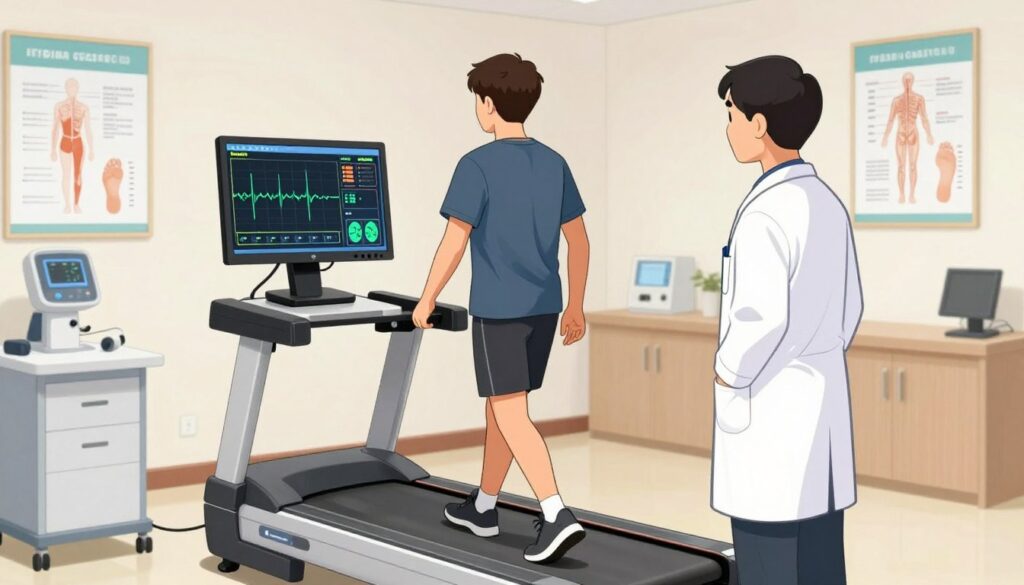
Gait analysis and pressure mapping are key parts of the assessment. Gait analysis looks at how an athlete moves to spot biomechanical problems. Pressure mapping shows the foot’s pressure during activities. Together, they offer insights into foot function and where support is needed.
Integrating Orthotics with Other Performance Factors
Using orthotics with the right shoes and training can boost athletic performance. Athletes need to see how these parts work together for the best results.
Footwear Selection and Compatibility
Choosing the right shoes is key when using orthotics. The shoe must match the orthotic for a good fit and function.
Sport-Specific Shoe Considerations
It’s important to pick shoes made for your sport. Running shoes help with forward motion, while court sports need shoes for side support.
Fit and Adjustment Tips
Try on shoes with your orthotics to get the right fit. Adjust the fit based on the orthotic’s thickness and the shoe’s design.
| Sport | Shoe Feature | Orthotic Consideration |
|---|---|---|
| Running | Cushioning | Support for pronation/supination |
| Court Sports | Lateral Support | Stability for quick movements |
| Field Sports | Traction | Support for varied movements |
Training Modifications and Complementary Approaches
Adjust your training to match your orthotics. This might include foot and ankle strengthening and flexibility exercises for better performance.
Care, Maintenance and Replacement Guidelines
Orthotics last longer and work better with the right care. Athletes using them should follow guidelines. This ensures they keep providing support and comfort.
Extending the Lifespan of Your Orthotics
Regular cleaning is key to making orthotics last. Wash them gently with mild soap and water. Then, let them air dry completely.
It’s also important to check them often for wear and tear.
| Maintenance Task | Frequency | Benefits |
|---|---|---|
| Cleaning | Weekly | Removes dirt and bacteria |
| Inspection | Monthly | Identifies wear and tear early |
| Drying | After each use | Prevents moisture buildup |
Signs It’s Time for Reassessment or Replacement
Orthotics may need a check-up or replacement if they show wear, cause discomfort, or if your activities change. If you notice these signs, talk to a professional. They can help make sure your orthotics still support you well.
Research and Evidence on Orthotics in Sports Performance
Orthotics are being studied to see if they help athletes perform better. Athletes are always trying to do more, so knowing how orthotics can help is key. This includes preventing injuries and boosting performance.
Current Scientific Understanding
Studies show orthotics can improve athletic performance. They provide support and lower injury risk. Research on orthotics shows they can fix foot mechanics, leading to better performance. For example, runners with orthotics had fewer injuries than those without.
Gaps in Research and Ongoing Studies
Even with progress, there’s still much to learn about orthotics in sports. Gaps in research exist, especially about long-term effects. New studies are looking at how orthotics work in different sports and with different materials. More research is needed to know the full benefits and limits of orthotics.
Conclusion: Making Informed Decisions About Orthotics
Athletes in high-impact sports can greatly benefit from orthotics. They help improve performance and lower injury risk. Knowing the good and bad of orthotics helps make smart choices.
Orthotics offer support and better alignment, which can cut down injury chances. But, it’s key to know they’re part of a bigger plan for sports success.
Getting a pro’s opinion is vital for orthotics. A podiatrist or other expert can tell if you need them and fit them right. Athletes should also think about shoes, training, and how to care for their orthotics.
Understanding orthotics’ benefits and limits is crucial. With expert advice, athletes can do better and stay safe from injuries.