Foot pain is a common problem that affects millions globally. Foot orthotics can help, but choosing the right one is hard with so many options.
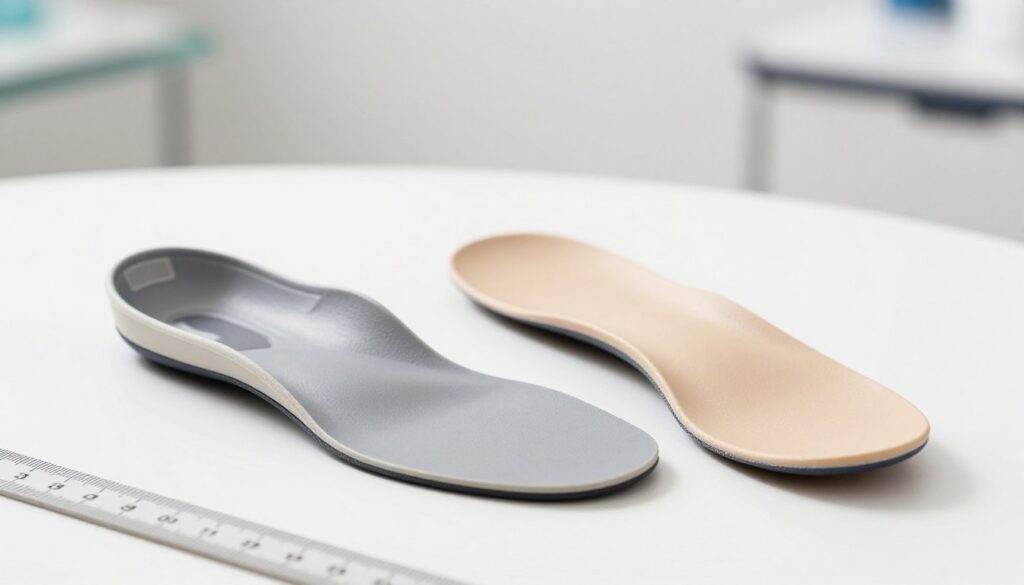
There are two main types of foot orthotics: custom-made and pre-made. Custom devices are tailored for specific foot problems. On the other hand, pre-made inserts are generic and can be bought without a doctor’s visit.
It’s important to know the differences between these options. This article will look at the good and bad of each. It aims to help you choose the best one for your foot pain.
Key Takeaways
- Foot orthotics can provide relief from foot pain.
- Personalized medical devices are designed to address specific foot issues.
- Pre-made inserts are generic and available over-the-counter.
- Understanding the differences between the two options is crucial.
- Making an informed decision can help alleviate foot pain.
Understanding Foot Support Options
Foot support is key for good body alignment and daily activities. It spreads out the body’s weight evenly. This helps lessen muscle and joint strain.
The Importance of Proper Foot Support
Good foot support is crucial for keeping the body in the right posture. It aligns the feet, ankles, and legs. This supports the body’s overall alignment.
How Foot Support Affects Overall Body Alignment
With the right foot support, the feet stay aligned. This is key for keeping the body in the right posture. It affects the body’s position from the feet to the head.
Impact on Daily Activities and Mobility
Good foot support makes movement smoother and more efficient. It lowers the chance of injuries. It also helps with conditions like plantar fasciitis.
| Benefits of Proper Foot Support | Impact on Body Alignment | Effect on Mobility |
|---|---|---|
| Reduces strain on muscles and joints | Improves overall posture | Enhances movement efficiency |
| Alleviates foot-related conditions | Supports correct body positioning | Reduces risk of injuries |
Seeing a healthcare expert, like a podiatrist, is important for finding the right foot support. They can give advice based on your specific needs.
What Are Custom Orthotics?
Custom orthotics are a big step forward in foot care. They offer personalized solutions for people with specific foot issues. These orthotics support the feet, fix deformities, and reduce pain.
Definition and Purpose
Custom orthotics are bespoke shoe inserts made for each person’s unique foot needs. They aim to support and stabilize the feet. This improves foot health and function, helping to solve pain and discomfort.
Materials Used in Custom Orthotics
The materials in custom orthotics depend on the person’s needs and their condition. The right material is key for the orthotic’s success and lasting use.
Rigid Materials and Their Applications
Rigid materials like carbon fiber or plastic are used for strong support. They’re best for severe foot problems or for people who are very active. These materials are tough and can handle a lot of stress.
Semi-Rigid and Soft Materials
Semi-rigid and soft materials, like ethylene-vinyl acetate (EVA) and foam, offer cushioning and support. They’re good for those who need comfort and support but don’t need rigid correction.
Healthcare experts choose the right material for each person. This way, custom orthotics can help with many foot problems, from mild to severe.
What Are Off-the-Shelf Insoles?
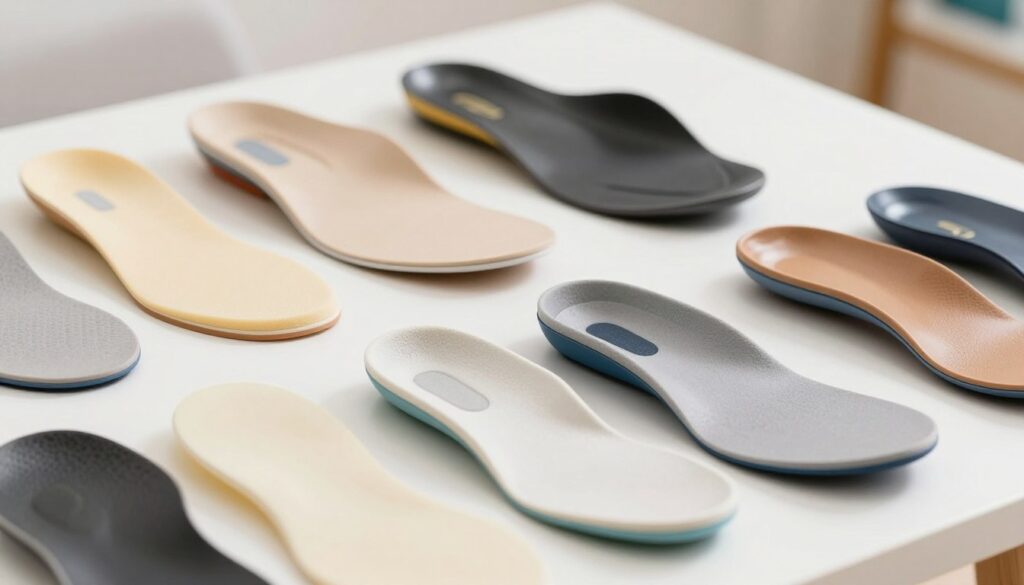
Off-the-shelf insoles are not custom-made like orthotics. They are mass-produced to fit many foot types and needs. You can find them in various sizes and styles, aiming to offer comfort and support for different foot conditions.
Definition and Types Available
These insoles are made to be versatile. They help with common foot problems like flat feet, high arches, and plantar fasciitis. There are several types, each with its own purpose.
Comfort Insoles
Comfort insoles focus on cushioning and comfort. They’re great for casual or everyday shoes.
Support Insoles
Support insoles offer extra arch support and stability. They’re good for people with foot conditions needing more support.
Sports-Specific Insoles
Sports-specific insoles are made for specific sports or activities. They provide extra cushioning, support, or stability for the demands of the activity.
Materials and Construction
The materials and construction of off-the-shelf insoles vary. This affects their comfort, support, and durability.
Common Materials Used
Materials like foam, gel, and fabric are common. Each offers different levels of cushioning, support, and breathability.
Design Features
Features like arch support, metatarsal pads, and toe caps improve insole functionality. They make them more effective for specific foot needs.
| Type of Insole | Primary Feature | Common Use |
|---|---|---|
| Comfort Insoles | Cushioning | Everyday footwear |
| Support Insoles | Arch Support | Foot conditions requiring extra support |
| Sports-Specific Insoles | Enhanced Performance Features | Specific sports or activities |
Key Differences Between Custom Orthotics vs Off-the-Shelf Insoles
Choosing between custom orthotics and off-the-shelf insoles depends on several factors. Both aim to offer comfort and relieve foot pain. Yet, they approach this goal differently.
Design and Fabrication Process
Custom orthotics are made with a personalized touch. A healthcare professional takes a mold of your feet. This precise design process ensures they address specific foot issues.
Off-the-shelf insoles, on the other hand, are pre-made and come in various sizes. They lack the personalized touch of custom orthotics.
Fit and Comfort Considerations
Custom orthotics fit better and are more comfortable because they’re tailored to your feet. They provide optimal support and comfort. Off-the-shelf insoles, while comfortable for some, may not fit as well for everyone, especially those with specific foot conditions.
Durability and Longevity
Custom orthotics are more durable and last longer than off-the-shelf insoles. They’re made from high-quality materials that can handle daily wear and tear. Here’s a comparison of their durability and longevity:
| Feature | Custom Orthotics | Off-the-Shelf Insoles |
|---|---|---|
| Material Quality | High-quality, durable materials | Variable material quality |
| Lifespan | Several years with proper care | Several months to a year |
| Customizability | Tailored to individual needs | Standard sizes and designs |
In conclusion, both custom orthotics and off-the-shelf insoles have their uses in foot care. Knowing their differences helps you make a better choice. Consider design, fit, comfort, durability, and longevity to pick the right option for you.
Cost Comparison
It’s important to know the price differences between custom orthotics and off-the-shelf insoles. This helps you make a smart choice.
Typical Price Ranges for Custom Orthotics
Custom orthotics cost more because they are made just for you. This includes a special design and making process.
Initial Investment
The first cost of custom orthotics is between $400 and $800. This depends on the materials and how complex the design is.
Long-Term Value Considerations
Even though they cost more at first, custom orthotics can save money in the long run. They might stop you from needing more medical care for foot problems.
Typical Price Ranges for Off-the-Shelf Insoles
Off-the-shelf insoles have a wide price range. They fit different budgets and needs.
Budget Options
For a little foot pain, basic insoles start at $10 to $30. They are a cheap fix.
Premium Off-the-Shelf Products
For more features and better materials, premium insoles cost $50 to $150.
Here’s a quick comparison table:
| Feature | Custom Orthotics | Off-the-Shelf Insoles |
|---|---|---|
| Price Range | $400 – $800 | $10 – $150 |
| Customization | Highly Customized | Standard Sizes |
| Long-Term Value | High | Variable |
Effectiveness for Different Foot Conditions
Foot support options work differently for each foot condition. Custom orthotics and off-the-shelf insoles have their own uses. They help with various foot problems.
Conditions That May Benefit from Custom Orthotics
Custom orthotics are best for certain foot issues. They offer precise support and correction.
Structural Abnormalities
People with flat feet or high arches can get help from custom orthotics. These are made to fix biomechanical problems and support the feet.
Chronic Pain Conditions
Those with plantar fasciitis pain can find relief with custom orthotics. They are made to lessen stress on painful areas.
Post-Surgical Support
After foot surgery, custom orthotics are key. They help with healing, keeping the foot in the right position and preventing problems.
Conditions That May Improve with Off-the-Shelf Insoles
Off-the-shelf insoles are good for minor foot problems and general support.
Minor Discomfort and Fatigue
For minor foot pain or tiredness, off-the-shelf insoles are a budget-friendly choice. They add cushioning and support without needing to be custom-made.
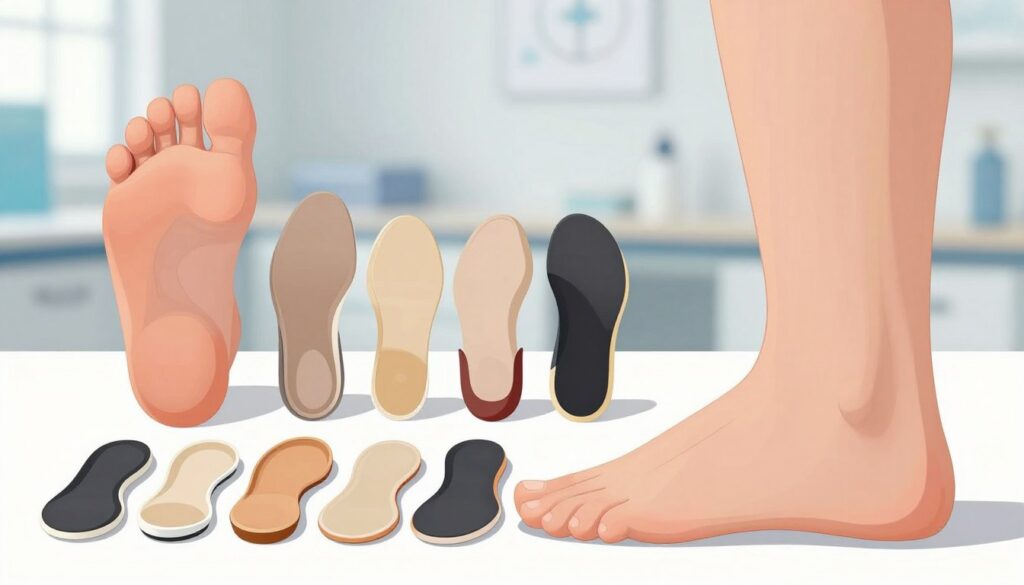
For general support or to prevent issues, off-the-shelf insoles are a good pick. They’re easy to find and fit in many shoes.
Athletic Performance Enhancement
Athletes might use off-the-shelf insoles to boost their performance or avoid injuries. These insoles add extra cushioning and support during sports.
A leading podiatrist says,
“The choice between custom orthotics and off-the-shelf insoles should be based on the individual’s specific foot condition and needs.”
The Role of Healthcare Professionals in New Zealand
Healthcare professionals, like podiatrists and orthopedic specialists, play a big role in New Zealand. They help people with foot problems by giving expert advice and care.
When to Consult a Podiatrist or Orthopedic Specialist
If you have ongoing foot pain, diabetes with foot issues, or notice changes in your foot, see a healthcare expert. Specialized care can really help.
New Zealand Healthcare Pathways
In New Zealand, you can find podiatrists and orthopedic specialists in private clinics and public hospitals.
Referral Process
Usually, you need a doctor’s referral to see a specialist. But, some places let you see a podiatrist without a referral.
What to Expect During a Professional Assessment
At your visit, the expert will check your feet thoroughly. They’ll look at your medical history and do a physical exam. They might also do some tests.
Diagnostic Procedures
Tests like gait analysis, X-rays, or others might be done to find out what’s wrong. For more info, check NCBI’s guide on foot disorders.
Treatment Planning
After the tests, you’ll get a treatment plan made just for you. It might include custom orthotics, exercises, or other treatments.
Seeing healthcare professionals can really help with foot problems. It can make your life better overall.
Biomechanics and Gait Analysis
Biomechanics and gait analysis are key to understanding how our feet move. They help us see how foot mechanics, mobility, and support options affect our gait.
How Foot Mechanics Affect Overall Movement
Our foot mechanics greatly impact how we move and stand. Problems with foot mechanics can cause pain, discomfort, or even serious issues in our lower limbs and back.
The Gait Cycle Explained
The gait cycle is the sequence of events in walking or running. It has two phases: stance and swing. Knowing the gait cycle helps spot issues and find solutions.
Common Biomechanical Issues
Issues like overpronation, supination, and gait asymmetries are common. These can cause problems like plantar fasciitis, shin splints, or knee pain. Spotting these issues early is key to fixing them.
| Biomechanical Issue | Description | Potential Consequences |
|---|---|---|
| Overpronation | Excessive inward rolling of the foot | Plantar fasciitis, knee pain |
| Supination | Insufficient inward rolling of the foot | Ankle sprains, lateral leg pain |
| Gait Asymmetries | Uneven gait patterns | Lower back pain, hip issues |
How Different Support Options Address Biomechanical Issues
Support options like custom orthotics and off-the-shelf insoles tackle biomechanical issues differently. The right choice depends on the issue’s severity, the person’s needs, and their activity level.
Corrective vs. Accommodative Approaches
Corrective methods aim to fix foot mechanics to solve problems. Accommodative methods provide support to manage symptoms. Custom orthotics often use a corrective approach, while off-the-shelf insoles may be more accommodative.
Activity-Specific Considerations
When choosing support, consider the activity. Runners might need orthotics to reduce joint impact. People with diabetes might need devices to prevent ulcers.
“The right support can make a significant difference in managing foot-related issues and enhancing overall mobility.”
Making the Right Choice for Your Needs
Choosing between custom orthotics and off-the-shelf insoles involves many factors. It’s a personal choice that depends on your lifestyle, the severity of your symptoms, and your budget.
Factors to Consider When Deciding
It’s important to think about your specific needs when deciding. Here are some key factors to consider:
- Lifestyle and Activity Level: If you’re active or play sports, custom orthotics might be better. They’re tailored to your activities.
- Severity of Symptoms: For mild discomfort, off-the-shelf insoles might be enough. But for chronic or severe pain, custom orthotics are more effective.
- Budget Considerations: Custom orthotics cost more than off-the-shelf insoles. It’s important to consider the cost against the benefits.
Lifestyle and Activity Level
Your lifestyle and activity level are key in choosing orthotics. For example, athletes or those who stand a lot might need custom orthotics for better support.
Severity of Symptoms
The severity of your foot pain matters a lot. If you have persistent pain, custom orthotics might be needed. For mild pain, off-the-shelf insoles could be a cheaper option.
Budget Considerations
Cost is a big factor. Custom orthotics are more expensive but offer personalized support. Off-the-shelf insoles are cheaper but still provide relief for some.
Signs You Might Need Professional Guidance
There are times when you should get professional help. Here are some signs to watch for:
- Persistent Pain Despite Self-Care: If off-the-shelf insoles don’t help, it’s time to see a professional.
- Complex Foot Structures or Conditions: If you have complex foot issues, custom orthotics from a specialist might be best.
Persistent Pain Despite Self-Care
If you still have pain after trying off-the-shelf insoles, you might need a custom solution. A podiatrist or orthopedic specialist can help find the cause of your pain.
Complex Foot Structures or Conditions
For complex foot issues, custom orthotics can provide targeted support. A professional can help find the right orthotic solution for you.
Remember, choosing between custom orthotics and off-the-shelf insoles should be based on your individual needs. Sometimes, it’s best to get advice from a healthcare professional.
Conclusion
Deciding between custom orthotics and off-the-shelf insoles can be tough. But knowing the differences is key to keeping your feet healthy. Custom orthotics fit your foot perfectly, offering the right support for different foot problems.
Off-the-shelf insoles are cheaper and easy to find. They’re good for minor foot issues or as a preventive step. Your choice depends on your foot health needs and what you prefer.
Talking to a healthcare expert, like a podiatrist or orthopedic specialist, can help a lot. They can guide you based on your foot health. This way, you can take care of your feet effectively.