
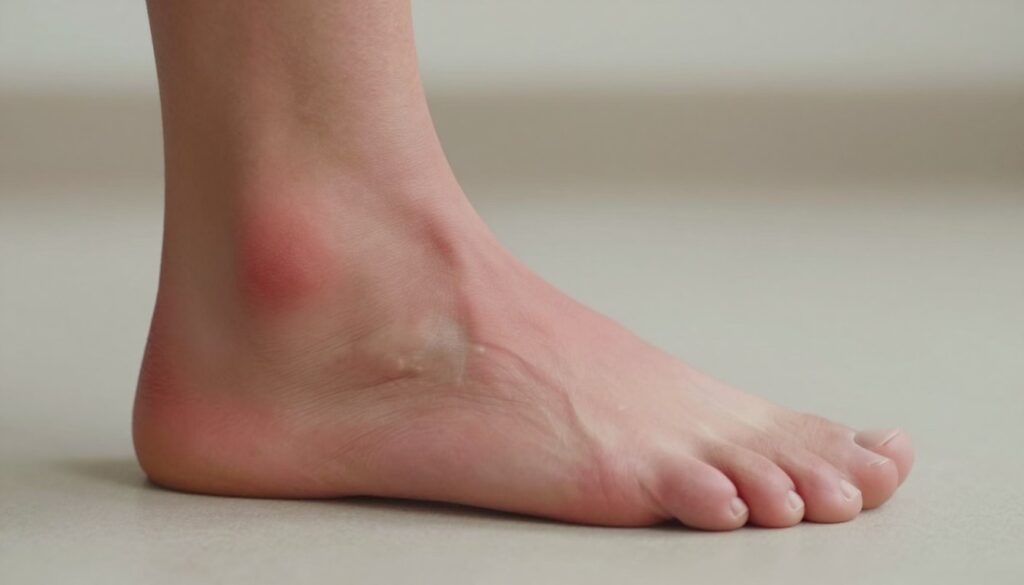
Metatarsalgia is a common foot pain issue. It affects the ball of the foot. This pain can come from biomechanical issues or shoes that don’t fit right. People with metatarsalgia often feel sharp, aching, or burning pain.
Knowing the causes and symptoms of metatarsalgia helps find relief. Doctors look at the foot and lifestyle to diagnose it. For more info, check out Mayo Clinic.
Key Takeaways
- Metatarsalgia involves pain in the ball of the foot.
- Causes include biomechanical issues and footwear.
- Symptoms can significantly impact daily activities.
- Diagnosis involves foot examination and lifestyle assessment.
- Relief can be found through natural methods and proper footwear.
Understanding Metatarsalgia and Its Impact
The term metatarsalgia refers to a common foot condition. It causes pain in the metatarsal area. This pain can be mild or severe.
What Is Metatarsalgia?
Metatarsalgia is not a disease but a symptom of a condition. It affects the ball of the foot. This area connects the toes to the ankle.
Pain here can come from many sources. It might be from poor foot mechanics or wearing the wrong shoes. It can also happen from activities that put too much stress on the foot.
How Common Is This Condition?
Metatarsalgia is common and can affect anyone. It doesn’t matter if you’re young or active. It’s more common in athletes, people who wear high heels, or those with foot deformities.
Impact on Daily Activities and Quality of Life
The pain from metatarsalgia can really affect your daily life. Even simple tasks like walking or standing can be hard. It can make it hard to do everyday things or enjoy activities you love.
Understanding the causes and finding ways to manage it is key. This can help ease the pain and improve your life.
Here are some important things to consider when managing metatarsalgia:
- Choosing the right shoes
- Changing how you do activities
- Using orthotics or supportive devices
The Anatomy of the Foot and Metatarsal Region
Understanding the foot’s anatomy is key to solving metatarsalgia. The foot is made up of many bones, tissues, and ligaments. These work together to support our weight and help us move.
Structure of the Metatarsal Bones
The metatarsal bones are five long bones in the foot. They connect the toes to the ankle. These bones are vital for the foot’s arch and support our body weight when we walk or run.
Surrounding Tissues and Their Functions
The metatarsal bones are covered by muscles, tendons, and ligaments. These tissues support and stabilize the foot, helping it move. The plantar fascia, a tissue on the foot’s bottom, supports the arch and can cause pain if inflamed.
Biomechanics of Normal Foot Movement
Foot movement is complex, involving bones, muscles, and tissues. When we walk or run, the foot strikes the ground, rolls forward, and pushes off. This motion is made possible by the foot’s biomechanics, including the movement of the metatarsal bones and surrounding tissues.
| Movement | Description | Involvement of Metatarsal Bones |
|---|---|---|
| Foot Strike | The foot hits the ground | Initial contact, shock absorption |
| Rolling Forward | The foot rolls forward, distributing weight | Weight transfer, load bearing |
| Push Off | The foot pushes off the ground | Propulsion, final push |
Common Metatarsalgia Causes and Relief Tips
Metatarsalgia is a common foot problem. It can be caused by many things, like how our feet work. Knowing what causes it helps find ways to feel better.
Biomechanical Factors
How our feet move is key to metatarsalgia. If our foot mechanics are off, it can put too much pressure on certain areas. This leads to pain in the metatarsal area.
High Arches and Flat Feet
High arches and flat feet can cause metatarsalgia. High arches put too much pressure on the metatarsal heads. Flat feet can cause overpronation, straining the foot’s ligaments and muscles. Understanding foot mechanics is important to fix these issues.
Abnormal Foot Mechanics
Abnormal foot mechanics, like overpronation or supination, can also cause metatarsalgia. These issues can wear down the foot unevenly, causing pain and discomfort.
Footwear-Related Issues
Wearing the right shoes is crucial for avoiding metatarsalgia. Shoes that are too tight, too loose, or lack arch support can make the problem worse. Choosing the right footwear is key to preventing and treating metatarsalgia symptoms.
| Footwear Feature | Impact on Metatarsalgia |
|---|---|
| Narrow toe box | Increases pressure on toes and metatarsals |
| Insufficient arch support | Can lead to overpronation or supination |
| High heels | Shifts pressure to the metatarsal area |
Activity and Exercise Influences
Some activities and exercises can lead to metatarsalgia. High-impact activities, like running or jumping, can stress the metatarsal bones too much. Changing exercise routines to include low-impact activities can help ease symptoms.
Medical Conditions That May Contribute
Medical conditions like diabetes, arthritis, and obesity can raise the risk of metatarsalgia. Managing these conditions and getting medical help when needed can help prevent metatarsalgia.
Understanding metatarsalgia causes and using relief tips can improve life quality. Addressing biomechanical issues, wearing the right shoes, changing activities, and managing health conditions are all important steps in managing metatarsalgia.
Recognizing the Symptoms of Metatarsalgia
Understanding metatarsalgia starts with knowing its symptoms. This condition causes pain in the metatarsal area. The pain’s description can change based on the cause.
Pain Patterns and Characteristics
The pain from metatarsalgia can feel sharp, dull, or burning. It might focus on one spot or spread across the foot. Activity often makes the pain worse, but rest helps.
Associated Symptoms
Metatarsalgia can also bring other symptoms. These include swelling, bruising, or tenderness in the affected area. Some people might feel numbness or tingling.
When Symptoms Typically Worsen
Symptoms of metatarsalgia get worse with activities that put weight-bearing or repetitive stress on the foot. This includes running, jumping, or standing for long times.
Different Types of Metatarsalgia Presentations
Metatarsalgia can show up in different ways, based on the cause. For example, primary metatarsalgia is linked to the foot’s structure. Secondary metatarsalgia comes from other conditions or factors.
| Symptom | Description | Common Triggers |
|---|---|---|
| Pain | Sharp, dull, or burning sensation | Activity, weight-bearing |
| Swelling | Inflammation in the metatarsal area | Overuse, poor footwear |
| Numbness/Tingling | Nervous sensation or numbness | Compression, repetitive stress |
Diagnosing Metatarsalgia: When to See a Professional
Getting a correct diagnosis for metatarsalgia is key to treating it well. Knowing when to see a doctor is the first step. A detailed check-up is needed to find out if you have metatarsalgia and how bad it is.
Initial Assessment Approaches
The first step is a detailed medical history and physical check-up. Doctors look at your symptoms, how you live, and what shoes you wear. They try to find out what might be causing your pain.
Diagnostic Tests That May Be Recommended
Doctors might suggest X-rays or MRI scans to confirm the diagnosis. These tests help figure out if you have other problems and how bad the damage or swelling is.
Differentiating from Other Foot Conditions
It’s important to tell metatarsalgia apart from other foot issues. Conditions like plantar fasciitis, stress fractures, or Morton’s neuroma can look similar. So, a careful check is needed.
Finding the Right Healthcare Provider
Choosing a doctor who knows a lot about feet is crucial for a right diagnosis. Podiatrists or orthopedic doctors are usually the best to talk to about treating metatarsalgia.
| Diagnostic Approach | Description | Benefits |
|---|---|---|
| Medical History | Assessing patient symptoms and lifestyle | Identifies contributing factors |
| Physical Examination | Evaluating foot structure and function | Assesses damage or inflammation |
| Imaging Tests | X-rays or MRI scans | Confirms diagnosis and rules out other conditions |
Conservative Treatment Approaches
Managing metatarsalgia often starts with treatments that aim to lessen pain. These methods can help ease symptoms and improve life quality.
Rest and Activity Modification
Resting the foot and changing activities to avoid making pain worse are key steps. This might mean doing less of activities that hurt. For example, people who play high-impact sports might need to switch to lower-impact activities like swimming or cycling.
Appropriate Footwear Selection
Wearing the right shoes is vital for managing metatarsalgia. Shoes with good arch support and cushioned soles help spread out foot pressure. This reduces stress on the metatarsal area. For more info on foot issues, check out Gait Doctor’s website.
Over-the-Counter Support Options
OTC support items like metatarsal pads or arch supports offer extra cushioning and support. They help spread out pressure and ease pain.
| Support Option | Description | Benefits |
|---|---|---|
| Metatarsal Pads | Cushioning pads placed under the metatarsal area | Reduces pressure on the metatarsals |
| Arch Supports | Supports the arch of the foot | Helps in redistributing pressure |
Ice and Pain Management Techniques
Applying ice to the affected area can lessen pain and swelling. Also, over-the-counter pain relievers can help manage symptoms. Always follow the recommended dosage and talk to a healthcare professional if needed.

By using these conservative treatments, people with metatarsalgia can find relief. But, it’s important to talk to a healthcare professional to find the best treatment plan.
Natural Relief Methods for Metatarsalgia
Natural relief methods can help manage metatarsalgia without surgery. They focus on easing symptoms and improving foot health. These methods are non-invasive.
Effective Stretching Exercises
Stretching is key in managing metatarsalgia. It lessens tension in the foot and leg, easing pain.
Toe Stretches
Toe stretches involve pulling the toes back towards the shin. This stretch helps relieve tension in the toes and the ball of the foot.
Calf and Plantar Fascia Stretches
Stretching the calf and plantar fascia reduces strain on the metatarsal area. Calf stretches are done by leaning against a wall with one leg straight back and the other bent in front.
Strengthening the Foot and Lower Leg
Strengthening the foot and lower leg muscles supports the arch. It also reduces pressure on the metatarsals.
Toe Curls and Grips
Toe curls involve curling the toes under and then releasing. This exercise strengthens the toe muscles and improves grip.
Arch Strengthening Exercises
Exercises like the short foot exercise strengthen the arch. This is done by pulling the toes and heel together.
Self-Massage Techniques
Self-massage can reduce pain and inflammation. It releases tension in the foot.
Ball Rolling Exercises
Rolling a ball under the foot massages the plantar fascia. It reduces tension.
Manual Pressure Point Techniques
Applying manual pressure to specific points on the foot can alleviate pain. It also improves circulation.
Natural Anti-Inflammatory Approaches
Reducing inflammation is crucial in managing metatarsalgia. Natural methods include dietary changes and supplements.
Dietary Considerations
Eating anti-inflammatory foods like omega-3 rich fish and turmeric can help reduce inflammation.
Herbal Remedies and Supplements
Certain herbs and supplements, such as ginger and curcumin, have anti-inflammatory properties. They aid in pain relief.
Contrast Baths and Hydrotherapy
Contrast baths involve alternating between hot and cold water. They reduce inflammation and improve circulation.
| Method | Description | Benefits |
|---|---|---|
| Stretching Exercises | Various stretches for the toes, calf, and plantar fascia | Reduces tension, alleviates pain |
| Strengthening Exercises | Exercises like toe curls and arch strengthening | Supports the arch, reduces metatarsal pressure |
| Self-Massage | Techniques including ball rolling and manual pressure | Reduces pain and inflammation |
Lifestyle Adjustments for Managing Metatarsalgia
Making lifestyle changes is key to managing metatarsalgia. These changes can help reduce discomfort and improve foot health.
Weight Management Strategies
Keeping a healthy weight is important to ease pressure on the metatarsal bones. Weight management strategies include eating right and exercising regularly. A balanced diet and less processed foods help maintain a healthy weight.
Exercise Modifications
Changing your exercise routine can help with metatarsalgia. Try low-impact activities like swimming or cycling instead of high-impact ones like running. Exercise modifications should aim to lessen foot stress.
Workplace Ergonomics
Good workplace ergonomics is crucial for those on their feet a lot. Wear supportive shoes and use ergonomic mats to cut down foot stress.
Supportive Devices and Their Benefits
Using supportive devices like orthotics and metatarsal pads can offer relief. Custom vs. Over-the-Counter Orthotics is a key choice. Custom orthotics fit your foot perfectly, while over-the-counter ones are more affordable and easy to find.
Custom vs. Over-the-Counter Orthotics
Custom orthotics offer precise support for your foot. Over-the-counter orthotics are cheaper and easier to get.
Metatarsal Pads and Their Placement
Metatarsal pads in shoes can lessen pressure on the metatarsal bones. It’s important to place them correctly for them to work well.
| Supportive Device | Benefits |
|---|---|
| Custom Orthotics | Precise support, tailored to individual foot shape |
| Over-the-Counter Orthotics | Affordable, readily available |
| Metatarsal Pads | Reduces pressure on metatarsal bones |
Daily Habits That Support Foot Health
Creating daily habits that support foot health is important. This includes doing foot exercises and choosing the right shoes. These habits can greatly help in managing metatarsalgia.
Conclusion: Taking Control of Your Foot Health
It’s important to take care of your feet to manage metatarsalgia and feel better overall. Knowing what causes it, its symptoms, and how to treat it helps you make smart choices about your health.
Changing your lifestyle can help a lot. Wearing the right shoes, staying at a healthy weight, and doing exercises for your feet and legs can ease pain.
Handling metatarsalgia well means using a mix of treatments, natural methods, and lifestyle changes. These steps can help lessen pain and improve foot health.
By taking charge of your foot health, you can make choices that improve your life. Prioritizing your feet means you can live more actively and without pain.