The link between foot mechanics and hip pain is often missed. But knowing this can stop long-term pain and keep you moving well. How your feet stand and move affects your knees, hips, and back.
Problems in the hips can also hurt your foot and ankle. This makes it hard to move without pain. A gait analysis can find the root of the issue. This lets doctors treat it right.
Key Takeaways
- Faulty foot mechanics can cause imbalance in the pelvis and spine.
- Correcting foot mechanics can resolve related body symptoms.
- Custom orthotics can influence the function of all joints in the kinetic chain.
- Gait analysis is crucial for understanding foot mechanics during movement.
- Chiropractic orthotics consider the biomechanics of the entire kinetic chain.
The Biomechanical Connection Between Feet and Hips
The body’s joints and muscles work together, affecting movement and comfort. This connection is key to seeing how foot problems can hurt the hips.
The Kinetic Chain Concept
The kinetic chain is how the body moves forces from one joint to another. This chain affects how we move and function. When we step, the force goes up through our ankles, legs, and hips, shaping our posture and walk.
How Forces Travel Up the Lower Extremities
Our feet take the impact when we walk or run. Problems like overpronation or supination can upset the balance in the kinetic chain. This imbalance can put strain on the hips, leading to pain.
| Component | Function | Potential Issue |
|---|---|---|
| Feet | Absorb and distribute forces | Overpronation, Supination |
| Ankles | Transfer forces to legs | Instability |
| Hips | Maintain posture and facilitate movement | Pain, Limited mobility |
It’s vital to understand how feet and hips are connected to fix hip pain. By looking at the kinetic chain and finding problems, doctors can make better treatment plans.
Understanding Hip Pain: Common Causes and Symptoms
Hip pain can come from many places. Foot alignment is a big part of it. The way our feet and hips work together is complex.
Primary Hip Pain Symptoms
Hip pain can feel like stiffness or make it hard to move. It can hurt when you walk or run. Knowing the exact symptoms helps find the cause.
Conventional Causes of Hip Discomfort
Many things can cause hip pain. Overpronation, supination, and uneven legs are some. Foot mechanics are key because bad foot alignment can hurt the hip.
| Cause | Symptoms |
|---|---|
| Overpronation | Pain in the hip and lower back, increased strain on the hip joint |
| Supination | Pain on the outer side of the hip, potential for hip instability |
| Uneven Leg Length | Hip pain, lower back pain, and altered gait patterns |
Knowing the causes and symptoms is key to treating hip pain. Fixing foot mechanics can help ease hip pain.
The Role of Foot Alignment in Hip Pain
Foot alignment is very important for hip health. When the feet are aligned right, the body’s weight is spread out. This helps the hips and lower limbs work better.
Good foot alignment lowers the chance of hip pain. But, if the feet are not aligned, it can cause hip pain.
How Pronation and Supination Affect Hip Positioning
Pronation and supination happen in the foot when we walk or run. Pronation is when the foot moves inward. Supination is when it moves outward. Both are key for walking right, but too much can mess with hip positioning.
Too much pronation can make the leg turn inward. This can strain the hip. Too much supination makes the leg turn outward, affecting the hip too.
The Impact of Arch Height on Hip Mechanics
The arch height in the foot also matters for hip mechanics. A low arch or flat foot can cause overpronation. A high arch can cause supination. Both can affect hip alignment and cause pain.
Knowing how foot alignment affects hip pain is key for fixing it. By fixing pronation, supination, and arch height issues, we can help hip pain.
Gait Analysis: Identifying Problematic Movement Patterns
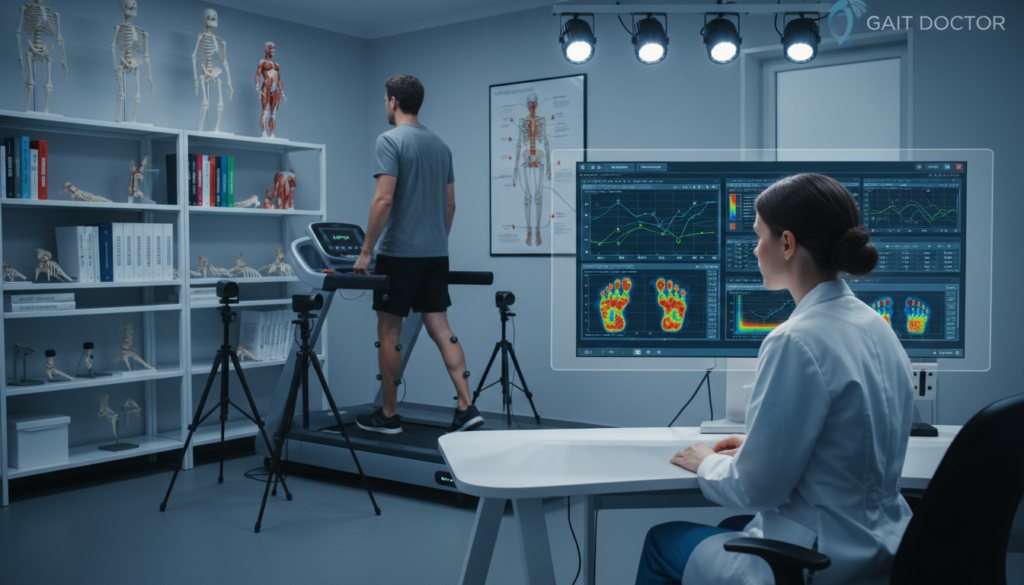
Analyzing how someone walks can show why they have hip pain. Gait analysis looks at how a person moves. It finds issues that might cause pain.
Assessment Process
A healthcare expert watches how a patient moves. They check how feet hit the ground and leg alignment. They look at the lower limbs’ mechanics.
Key Movement Patterns
Some ways of moving can hurt the hip. For example, overpronation or supination can cause pain.
Identifying Potential Issues
Gait analysis spots problems by looking at the lower limbs’ chain. It shows how parts work together. This helps doctors make plans to fix hip pain.
Gait analysis helps people understand their movement and hip pain. This info is key for good treatment plans.
Common Foot Issues That May Affect Hip Function
Hip pain can often come from foot problems. These include overpronation, supination, and leg length differences. These issues can change how force moves through our legs, causing hip pain.
Overpronation and Its Potential Effects
Overpronation happens when the foot rolls inward too much. This makes the arch fall. It puts uneven weight and stress on the hips.
Overpronation can make the hip joint and muscles hurt more.
Supination: Its Potential Effects
Supination is when the foot rolls outward too much. It can mess with hip alignment and cause pain. Supination can make the hips take more shock.
Leg Length Discrepancies and Their Impact on Hip Mechanics
Leg length differences happen when one leg is longer than the other. This can mess with hip alignment and cause pain. It makes the hips tilt, leading to uneven stress.
| Foot Issue | Effect on Hip Mechanics | Potential Outcome |
|---|---|---|
| Overpronation | Increased strain on hip joint | Hip Pain |
| Supination | Reduced shock absorption | Increased impact on hips |
| Leg Length Discrepancies | Uneven hip alignment | Hip tilting and pain |
It’s important to know how foot issues affect hip mechanics. By finding and fixing the problem, we can start to feel better.
How Walking and Running Mechanics Influence Hip Positioning
Walking and running right is key for healthy hips. How we move affects our hips a lot. It can cause pain or injury if not done right.
The Gait Cycle and Its Impact on Hip Mechanics
The gait cycle is very important for hip health. It includes walking or running phases. It involves joints and muscles working together.
Knowing the gait cycle helps spot hip problems. It shows how to keep hips in the right place.
Critical Points Where Foot Mechanics Affect Hip Loading
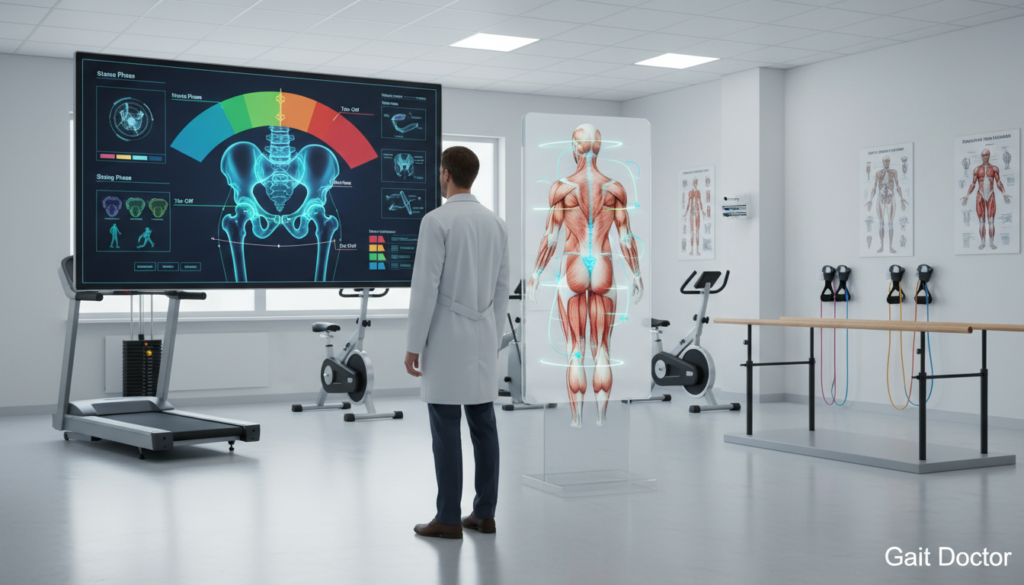
There are key moments in the gait cycle that matter for hip loading. These are:
- The initial foot strike, where the foot hits the ground, can influence hip alignment.
- The stance phase, during which the foot is in contact with the ground, affects how the hip absorbs and distributes the impact.
- The toe-off phase, where the foot pushes off the ground, can impact the hip’s rotational movement.
Knowing these points helps improve walking and running. It can lower the chance of hip pain.
Signs and Symptoms That May Indicate a Foot-Hip Connection
It’s important to know the signs that link foot problems to hip pain. The link between foot mechanics and hip pain is complex. It involves many factors.
Symptom Patterns That Suggest a Foot-Hip Connection
Some symptoms show a foot-hip connection. These include uneven shoe wear and pain in the hips, knees, or lower back. Also, trouble with balance or walking is a sign.
- Uneven shoe wear
- Pain in the hips, knees, or lower back
- Difficulties with balance or gait
When to Consider a Biomechanical Assessment
If you have ongoing hip pain, it’s time for a biomechanical assessment. This is also true if you notice big changes in how you walk or balance. This test can find foot issues that cause hip pain.
Biomechanical Assessment: The Gait Doctor Approach
The Gait Doctor Approach uses a biomechanical assessment to find the main causes of hip pain. This detailed check looks for problems in foot mechanics and gait that might cause hip pain.
Components of a Comprehensive Assessment
A full biomechanical assessment has several parts. It starts with a detailed medical history and symptom check. Then, a physical exam focuses on the lower body, like the feet and hips.
Technology and Methods Used in Evaluation
Advanced tools like 3D gait analysis and pressure mapping are used. These help doctors understand gait patterns and foot mechanics. They find out how these affect hip pain.
What Information a Biomechanical Assessment Provides
This assessment gives important info on hip pain causes. It shows issues like overpronation or supination that might cause pain. Doctors can then make specific treatment plans.
Doctors use this info and their skills to suggest personal treatments for hip pain. This might include custom orthotics, physical therapy, or changes to shoes or walking style.
Support Options for Hip Pain from Foot Alignment
Custom support can help with hip pain from foot issues. Custom orthotics are great for fixing foot alignment and easing hip pain.
The Potential Role of Custom Orthotics
Custom orthotics fit your foot perfectly. They support and correct your foot. This helps your hips and reduces pain.
Experts say, “custom orthotics can help with hip pain from foot problems.”
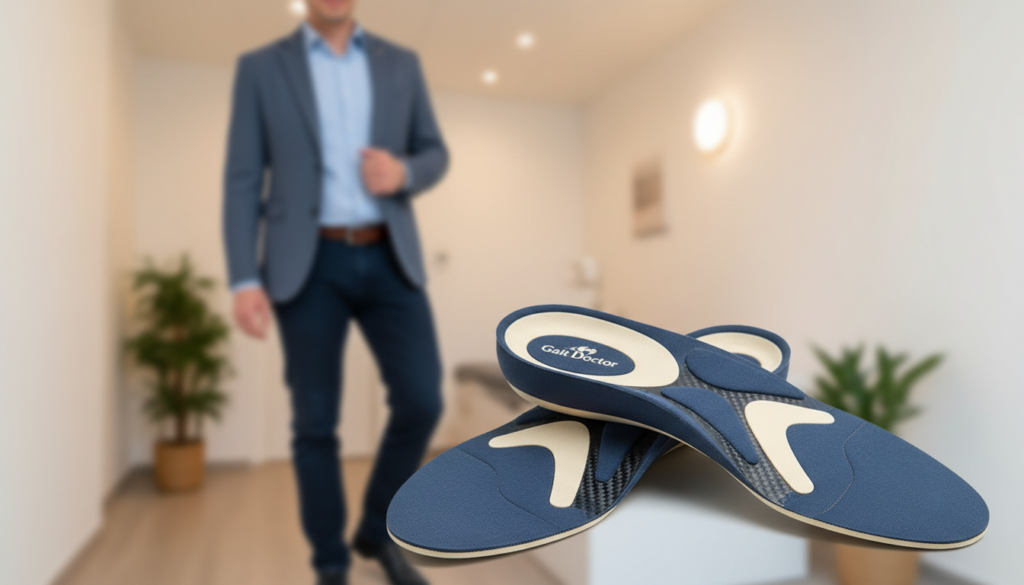
But, remember, custom orthotics aren’t the only answer. They’re part of a bigger plan. Good Feet says, “they work best with other treatments and lifestyle changes.”
Complementary Approaches to Address Biomechanical Issues
Other ways can help with hip pain too. Physical therapy, gait training, and better shoes are good options. A complete plan tackles all hip pain causes.
Knowing your options and talking to doctors can help you feel better. This is true for hip pain from foot problems.
Self-Care Strategies and Preventative Measures
Looking after your hip health can make you feel better overall. By using self-care and taking steps to prevent problems, you can avoid hip pain. This helps keep your hips working well.
Footwear Considerations for Better Alignment
Wearing the right shoes is key for hip health. Shoes that support your feet well help your hips stay in good shape. Good shoes stop problems like overpronation or supination that can mess with your hip.
Movement Awareness and Modification
Being careful with how you move is important for your hips. Try to avoid doing the same thing over and over. Also, do exercises that make your hip muscles stronger.
When to Seek Professional Assessment
If you keep getting hip pain, see a doctor. They can find out what’s wrong and suggest fixes. This could be special shoes or physical therapy to help your hip.
| Self-Care Strategy | Benefit |
|---|---|
| Proper Footwear | Promotes better alignment and reduces strain on hips |
| Movement Awareness | Helps in avoiding repetitive strain and strengthening hip muscles |
| Professional Assessment | Identifies underlying issues and guides appropriate interventions |
Conclusion: Taking a Comprehensive Approach to Hip Pain
Understanding how foot mechanics and hip function are connected is key. Knowing what causes hip pain helps people take action to feel better.
This approach includes checking how your feet and body move. Wearing the right shoes and taking care of yourself also helps your hips stay healthy.
Fixing hip pain needs a plan that looks at the whole body. By using this method, people can get rid of hip pain and move better.
If hip pain doesn’t go away, getting help from a professional is important. They can find out why you’re in pain and help you feel better.