
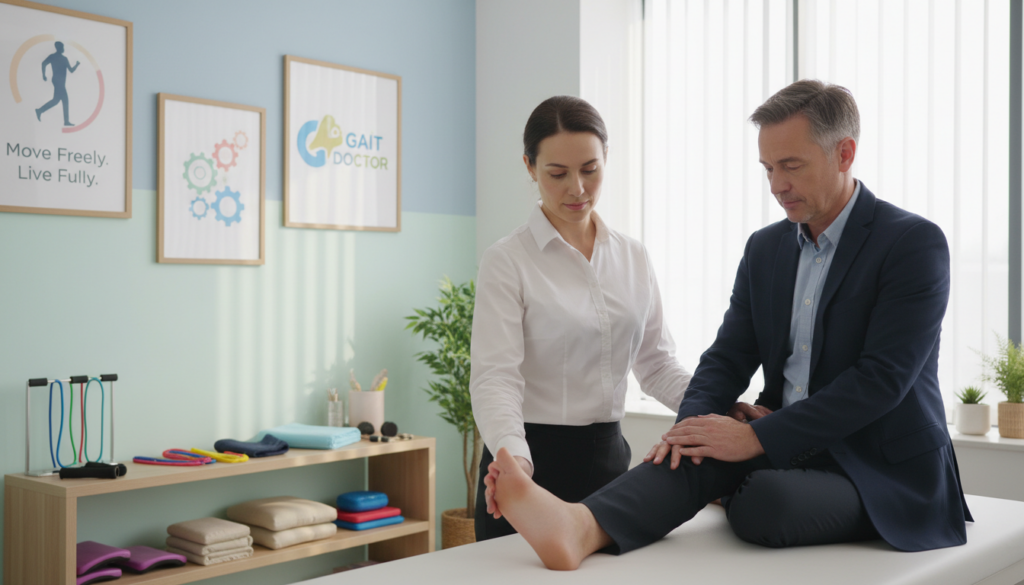
Ankle arthritis makes the ankle joint swell and wear down. It causes pain, swelling, and stiffness. This makes it hard to walk or do everyday things.
To manage ankle arthritis, you need to make lifestyle changes and do exercises. Sometimes, you might need medical help too. The right steps can help you feel better and move easier.
Key Takeaways
- Understanding the causes and symptoms of ankle arthritis is essential for effective management.
- Lifestyle changes and exercises play a crucial role in managing the condition.
- Medical interventions may be necessary for advanced cases.
- Improving mobility and reducing pain are key goals of management strategies.
- A comprehensive approach can significantly enhance the quality of life for individuals with ankle arthritis.
Understanding Ankle Arthritis
Ankle arthritis includes types like osteoarthritis and rheumatoid arthritis. These can really hurt your quality of life. Arthritis makes your joints, like those in your feet, swell and hurt.
Types of Ankle Arthritis
Osteoarthritis is the most common type of ankle arthritis. It happens when cartilage in your joint wears down. This causes pain and stiffness. Rheumatoid arthritis is an autoimmune disease that makes your joints swell and can damage them badly if not treated.
Prevalence and Impact on Quality of Life
Ankle arthritis is common, hitting many people as they get older. It can really lower your quality of life. It makes moving hard and causes constant pain.
| Type of Arthritis | Characteristics | Impact on Quality of Life |
|---|---|---|
| Osteoarthritis | Cartilage breakdown, pain, stiffness | Reduced mobility, chronic pain |
| Rheumatoid Arthritis | Autoimmune inflammation, joint damage | Severe joint damage, decreased functionality |
A study found that arthritis is a big cause of disability. It has big effects on the economy and society. Knowing about ankle arthritis types and how common it is helps manage it better.
“Arthritis is a major cause of disability, with significant economic and social impacts.”
Causes and Risk Factors of Ankle Arthritis
It’s important to know what causes ankle arthritis. This condition makes the ankle joint inflamed and worn down. Many things can lead to it.
Previous Injuries and Trauma
Getting hurt before, like breaking a bone or spraining an ankle, raises your risk. Such injuries can harm the cartilage and joint. This can lead to arthritis later on.
Genetic Predisposition
Genetics also play a part. If your family has arthritis, you might get ankle arthritis too.
Age-Related Changes
As we get older, our cartilage wears down. This makes older people more likely to get ankle arthritis.
Biomechanical Factors
How you walk and uneven wear on the joint can also cause ankle arthritis. These issues put extra stress on the joint. This speeds up wear and tear.
Recognizing Ankle Arthritis Symptoms
Ankle arthritis makes the ankle joint hurt, stiff, and hard to move. Knowing the signs early helps get the right treatment.
Common Pain Patterns
Pain is a big symptom of ankle arthritis. It can feel dull or sharp, getting worse when you move your ankle.
Stiffness and Reduced Range of Motion
Stiffness in the ankle is common too. It makes it hard to walk or climb stairs because you can’t move your ankle as much.
Swelling and Inflammation
Swelling and inflammation around the ankle are signs of arthritis. You might also see warmth and redness.
Progressive Nature of Symptoms
Left untreated, ankle arthritis symptoms get worse. The pain and stiffness can really hurt your life quality.
Seeing these signs early helps manage the condition better. If your ankle hurts, is stiff, or swollen, see a doctor right away.
How Ankle Arthritis Affects Daily Activities
Ankle arthritis makes daily life hard. It affects not just the ankle but also how we move and function.
Impact on Walking and Standing
Walking and standing get tough with ankle arthritis. Pain and stiffness in the ankle make these simple tasks hard. Even going to the grocery store or standing in the kitchen becomes a big challenge.

Limitations in Exercise and Recreation
Ankle arthritis also limits exercise and fun activities. It’s hard to do high-impact activities like running or jumping. This is tough for those who love sports or working out.
Effects on Work Performance
It also affects work, mainly jobs that need standing, walking, or manual labor. People with ankle arthritis might need to change their work habits. They might also need to take breaks to handle their symptoms.
Knowing these challenges helps us find ways to live well with ankle arthritis. We can keep our quality of life high, even with the condition.
The Role of Biomechanics in Ankle Arthritis
Understanding how biomechanics affects ankle arthritis is key. It helps manage the condition better. Biomechanics is important in how gait impacts joint loading.
How Gait Affects Joint Loading
Gait analysis shows how walking patterns can lead to ankle arthritis. The ankle takes a lot of load when walking. Any gait issues can make this load uneven, stressing the joint more.
Compensatory Movement Patterns
People with ankle arthritis often change how they move to avoid pain. But, these changes can cause more problems. They can lead to uneven stress on joints and other parts of the leg.
Benefits of Professional Gait Analysis
Professional gait analysis offers deep insights into biomechanics. It helps find what causes ankle arthritis. Healthcare pros can then create plans to fix these issues.
Services from a gait doctor are very helpful. They give personal advice for managing ankle arthritis.
Effective Ankle Arthritis Relief Strategies
Managing ankle arthritis needs many steps to ease pain and move better. There’s no cure, but many ways can help lessen symptoms.
First, we try not to use surgery. We use methods that don’t hurt the joint to help with pain and moving better.
Conservative Management Approaches
There are many ways to manage ankle arthritis without surgery. We use pain relief and changes in lifestyle. These help lessen the strain on the ankle and make symptoms better.
Pain Management Options
Managing pain is key in treating ankle arthritis. Here are some ways to do it:
- Medications: Over-the-counter pain relievers, such as acetaminophen or ibuprofen, can help alleviate pain and inflammation.
- Physical therapy: Gentle exercises and stretches can improve joint mobility and reduce stiffness.
- Alternative therapies: Acupuncture, massage, and other alternative therapies may also provide relief.
When to Consider Medical Intervention
At times, just managing pain isn’t enough. We might need to try medical treatments to help.
Non-Surgical Treatments
Non-surgical treatments, like corticosteroid injections or viscosupplementation, can help. They reduce inflammation and make the joint move better.
Surgical Considerations
In very bad cases, surgery might be needed. This could be to fix or replace the joint. Options include ankle arthroscopy, osteotomy, or ankle replacement.
It’s important to talk to a doctor to find the best treatment. A good plan can make symptoms better and improve life quality.
| Treatment Options | Description | Benefits |
|---|---|---|
| Conservative Management | Non-invasive approaches, such as pain management and lifestyle modifications | Reduces pain and improves joint function |
| Non-Surgical Treatments | Corticosteroid injections or viscosupplementation | Reduces inflammation and improves joint lubrication |
| Surgical Considerations | Ankle arthroscopy, osteotomy, or ankle replacement | Repairs or replaces damaged joint |
Exercise and Physical Therapy for Ankle Arthritis
Exercises and physical therapy are key for better movement and less pain in ankle arthritis. Regular activity keeps joints working well and less stiff.
Strengthening Exercises
It’s important to strengthen muscles around the ankle. Calf raises and toe curls are good for this. Start slow and get stronger little by little to avoid hurting the joint.
Range of Motion Activities
Doing exercises that move the ankle helps keep it flexible. Simple things like ankle circles and gentle stretching work well. Do these often to get the best results.
Low-Impact Fitness Alternatives
For those with ankle arthritis, swimming or cycling are great choices. They’re good for your heart without hurting your ankle. For more tips on foot health, check out this resource.
Working with Physical Therapy Professionals
Seeing a physical therapist is very helpful. They can make a plan just for you. They also give tips on shoes and how to move to protect your ankle.

Lifestyle Modifications to Support Joint Health
Making lifestyle changes is key for joint health in people with ankle arthritis. These changes help ease symptoms and make life better.
Weight Management Considerations
Keeping a healthy weight is important for your ankle. Too much weight can make ankle arthritis worse. Eating right and exercising can help you stay at a good weight. For tips, check out Gait Doctor.
Activity Modification Strategies
Changing how you do things can help your ankle. Avoid hard activities and do gentle ones like swimming. This keeps your ankle comfortable and moving.
Nutritional Approaches
Eating foods that fight inflammation is good for your joints. Omega-3s, antioxidants, and fiber are great. Adding these to your diet helps with ankle arthritis.
Stress Management and Sleep Quality
Managing stress and sleeping well is important for your health. Try meditation, deep breathing, and regular sleep. These help with ankle arthritis.
Footwear and Supportive Devices for Arthritic Ankles
Choosing the right shoes is key for people with ankle arthritis. The right shoes can help reduce pain and improve how you move.
Supportive Shoe Features
Features in shoes are very important for ankle arthritis. Shoes with good arch support and cushioning help lessen ankle stress. Shoes with a rocker sole also help ease ankle strain when walking.
When to Consider Specialized Footwear
For severe ankle arthritis, specialized shoes are often needed. These shoes offer extra support and stability for the ankle.
Custom Orthotics as a Support Option
Custom orthotics can give a lot of support and stability to the ankle. They are made to fit your foot perfectly, spreading pressure evenly.
The Assessment Process at Gait Doctor
At Gait Doctor, we carefully look at how you walk and your foot shape. This helps us make custom orthotics just for you.
Setting Realistic Expectations
It’s important to have realistic hopes when using custom orthotics or any support. They can help a lot, but might not get rid of all ankle arthritis symptoms.
Braces and Other Assistive Devices
Braces and other devices can also help your ankle. They can make your ankle feel more stable and reduce pain during activities.
| Device | Purpose | Benefits |
|---|---|---|
| Custom Orthotics | Redistribute pressure, support ankle | Reduced pain, improved stability |
| Ankle Braces | Stabilize ankle, provide support | Reduced pain, improved mobility |
| Supportive Shoes | Cushioning, arch support | Comfort, reduced stress on ankle |
Conclusion: Developing Your Personal Management Plan
Creating a good daily routine is key for managing ankle arthritis. Start with gentle morning stretches. Then, balance activity with rest.
End your day with relaxation techniques. Wearing the right shoes, like New Balance and Skechers, helps too. Eating foods rich in omega-3, berries, and leafy greens also supports your joints.
A good plan includes regular, low-impact exercises like swimming or cycling. You might also need supportive devices. Getting advice from healthcare pros early on is important.
For more tips on daily routines, visit Foot Team Texas. They can help you make a plan for ankle arthritis relief.
Keep track of your progress and celebrate small wins. This keeps you motivated. Working with a podiatrist and using imaging can improve your mobility.
Creating a personal plan can greatly improve your life with ankle arthritis.