
Running can be tough, even more so with plantar fasciitis. This is a painful condition from the plantar fascia getting inflamed.
Runners with plantar fasciitis often ask if they can keep running. The answer is yes, with the right care and treatment, you can ease the pain and keep running.
Custom orthotics are key in treating plantar fasciitis. Companies like The Orthotic Group (TOG) make special shoes to help runners beat this problem.
Key Takeaways
- Plantar fasciitis is a common condition among runners.
- Proper treatment can help alleviate symptoms.
- Custom orthotics can be an effective solution.
- The Orthotic Group (TOG) offers customized orthotics for runners.
- Managing plantar fasciitis requires a comprehensive approach.
Table of Contents
ToggleUnderstanding Plantar Fasciitis in Runners
Runners need to know about plantar fasciitis to keep running. It’s a problem with the plantar fascia, a tissue in the foot. This tissue helps the foot’s arch.
What Is Plantar Fasciitis?
Plantar fasciitis makes the heel and foot’s bottom hurt. “It’s a common overuse injury among runners, often caused by repetitive strain on the heel.” It can hurt a runner’s performance and comfort.
Common Symptoms and Warning Signs
Symptoms include sharp heel pain and arch pain. Stiffness gets worse with the first steps in the morning. Pain also comes after long rests or runs. Early recognition of these symptoms is key to managing the condition effectively.
How Running Impacts the Plantar Fascia
Running can make plantar fasciitis worse. The foot’s impact from running can cause tiny tears. This leads to inflammation and pain.
“The way you run, including your foot strike pattern and running frequency, can significantly impact the stress on your plantar fascia.”
Changing how you run and adding preventive steps can help.
Can You Continue Running with Plantar Fasciitis?
When you get plantar fasciitis, you might wonder if you should keep running. This condition can really affect your training and how well you do. It’s important to know how bad it is before deciding what to do.
Assessing Your Pain Level
It’s key to know how much pain you’re in. If the pain is just a little and doesn’t happen often, you might still be able to run. But if the pain is really bad or keeps coming back, you should stop running and fix the problem.
When It’s Safe to Continue Running
If the pain is mild, you can keep running but with some changes. You might run less or wear the right shoes. Also, doing stretches can help.
When You Should Take a Break
If the pain is really bad or doesn’t go away, stop running right away. Not listening to this pain can hurt you more and make recovery take longer.
| Pain Level | Action |
|---|---|
| Mild | Continue running with adjustments |
| Severe/Persistent | Take a break and seek relief |
How to Get Rid of Plantar Fasciitis Pain Fast
Plantar fasciitis hurts runners a lot. But, there are ways to make the pain go away fast. Runners need quick relief to keep training.
Immediate Relief Techniques
One good way to feel better is to use methods that cut down swelling and ease pressure on the plantar fascia. Rest is key because it lets the hurt tissue heal.
Rest, Ice, Compression, and Elevation (RICE)
The RICE method is great for treating injuries like plantar fasciitis. It includes:
- Resting the foot to avoid more harm
- Putting ice on to lessen pain and swelling
- Wearing compression bandages for support
- Keeping the foot up to lower swelling
Over-the-Counter Pain Management Options
OTC pain meds like ibuprofen or naproxen can help with pain and swelling. Always take the right amount and talk to a doctor if you need to.
| Treatment | Description | Benefits |
|---|---|---|
| RICE Technique | Rest, Ice, Compression, Elevation | Reduces pain and inflammation |
| OTC Pain Relievers | Ibuprofen, Naproxen | Manages pain and reduces inflammation |
Essential Stretching and Mobility Exercises
Stretching and moving exercises are key for runners with plantar fasciitis. Doing stretches often can ease pain and make your body more flexible.
Morning Stretches Before Getting Out of Bed
Start your day with soft stretches to lessen morning pain from plantar fasciitis. Gently pull your toes back towards your shin and hold for 15-30 seconds. Do this 2-3 times to make the plantar fascia loose.
Throughout-the-Day Stretching Routines
Do stretches all day, not just in the morning. Take short breaks to stretch your feet and calves. This is good if you stand or sit a lot.
Pre and Post-Run Stretching Protocols
Pre-run stretching gets your muscles ready. Post-run stretching helps you recover. Do calf raises, toe curls, and heel raises to help the plantar fascia and muscles around it. These can lower injury risk and ease pain.
Adding these stretches to your daily life can help you manage plantar fasciitis. This way, you can keep enjoying running.
Proper Footwear Selection for Runners with Plantar Fasciitis
Choosing the right running shoes is key for those with plantar fasciitis. They need shoes that support their arches well and cushion their feet. This helps lessen the pain in their plantar fascia.
Key Features to Look for in Running Shoes
When looking for shoes for plantar fasciitis, focus on these features:
- Adequate Arch Support: Good arch support helps ease the strain on the plantar fascia.
- Cushioning: Lots of cushioning in the heel and toe helps soak up shock and eases pain.
- Proper Fit: A good fit is vital to avoid putting extra stress on your foot.
- Stability: Shoes with stability features help prevent overpronation or supination, which can make plantar fasciitis worse.
Recommended Shoe Brands and Models
Here are some top picks for runners with plantar fasciitis:
| Brand | Model | Key Features |
|---|---|---|
| Brooks | Ghost | Segmented Crash Pad for smooth heel-to-toe transition, BioMoGo DNA midsole |
| Asics | Gel-Kayano | Spacer Mesh upper, FlyteFoam midsole, and a supportive structure for stability |
| New Balance | Fresh Foam | Fresh Foam midsole for cushioning, supportive and stable ride |
When to Replace Your Running Shoes
It’s important to swap out your running shoes often. Here’s why:
- Replace shoes every 300-500 miles.
- Watch for wear signs like sole wear, midsole compression, and upper material damage.
- If you feel more pain or discomfort, it’s time for new shoes.
By picking the right shoes and replacing them when needed, runners with plantar fasciitis can manage their condition better. They can keep enjoying their runs.
The Role of Custom Orthotics in Managing Plantar Fasciitis
For runners with plantar fasciitis, custom orthotics can really help. They reduce pain and support recovery. Plantar fasciitis causes heel and foot pain, often from inflammation.
What Are Custom Orthotics?
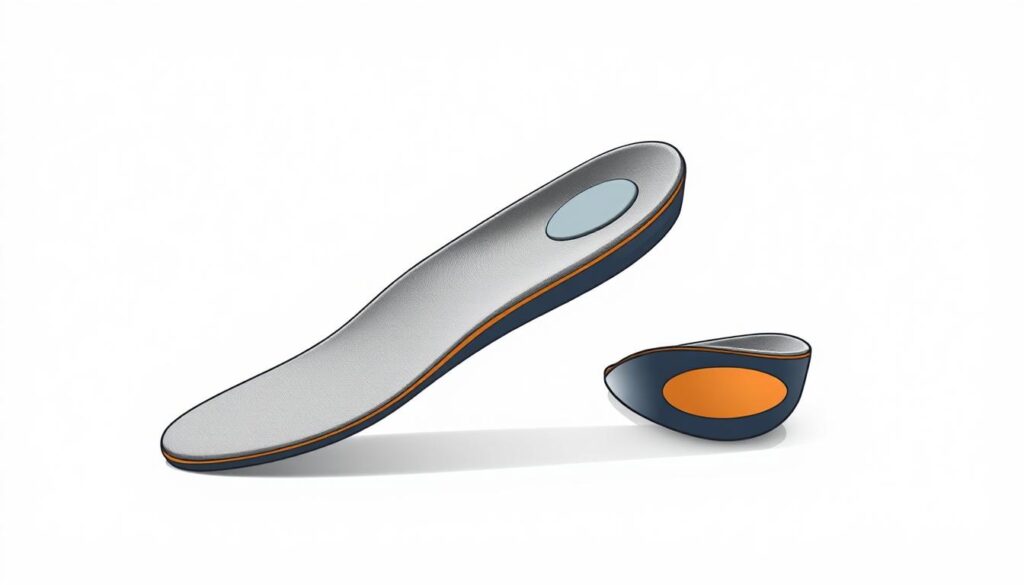
Custom orthotics are tailor-made devices for the foot. They’re not like store-bought ones. They’re made just for you, based on your foot and how you walk.
Benefits of Custom Orthotics for Runners
Custom orthotics help runners with plantar fasciitis a lot. They spread out the foot’s pressure, easing the plantar fascia’s strain. This cuts down pain and swelling a lot. They also make your foot work better, improving your run and lowering injury risk.
The Orthotic Group (TOG) Solutions
The Orthotic Group (TOG) is known for their custom orthotics. They help with many foot problems, like plantar fasciitis. Their orthotics fit in many shoes.
How TOG Orthotics Fit Various Footwear Types
TOG orthotics work with lots of shoes, from running to casual. This means runners can keep wearing their favorite shoes. It’s great for everyday comfort and support.
In short, custom orthotics from The Orthotic Group are key for runners with plantar fasciitis. They offer personal support and ease symptoms. This lets runners keep training with less pain.
Modifying Your Running Routine with Plantar Fasciitis
Changing how you run can help with plantar fasciitis. Runners with this issue can find relief by making a few tweaks. These changes can lessen pain and aid in recovery.
Adjusting Running Frequency and Duration
First, look at how often and how far you run. Cutting back on runs or distances can ease the pressure on your plantar fascia. A study on Medical News Today shows the value of letting your foot heal.
Alternative Running Surfaces and Techniques
Try running on softer surfaces like trails or grass. These are gentler on your feet than hard roads or tracks. Also, try cycling or swimming to keep your heart rate up without hurting your feet.
| Surface | Impact Level | Benefit for Plantar Fasciitis |
|---|---|---|
| Trail Running | Low | Reduces stress on plantar fascia |
| Road Running | High | Increases stress on plantar fascia |
| Treadmill Running | Medium | Offers a controlled, softer surface option |
Proper Warm-Up and Cool-Down Protocols
It’s key to have a good warm-up and cool-down. Gentle stretching before running gets your muscles ready. Stretching after helps with healing and reduces swelling. Experts say a good cool-down is vital for recovery.
“A proper warm-up and cool-down can make a significant difference in managing plantar fasciitis.”
By making these changes, you can manage plantar fasciitis better. This way, you can keep running and feel less pain.
Strengthening Exercises to Support Recovery
To help with plantar fasciitis, doing strengthening exercises is key. These exercises make the muscles around your foot, ankle, and core stronger. This helps your body heal and keeps you from getting hurt again.
Foot and Ankle Strengthening
It’s important to work on your foot and ankle. Toe curls, heel raises, and ankle rotations are good for this. For example, you can sit on the floor with your legs straight out. Then, curl your toes under and hold for a few seconds before letting go.
Calf and Leg Exercises
Strengthening your calf and leg muscles also helps. Calf raises, leg press, and straight leg raises are good choices. For instance, stand on the edge of a step with your heels hanging off. Then, raise up onto your tiptoes and lower back down.
Core Strengthening for Better Running Form
Core strengthening is important for good running form. This reduces the stress on your plantar fascia. Doing planks, bridges, and Russian twists can boost your core strength. For more tips on managing plantar fasciitis, check out The Gait Doctor.
| Exercise | Repetitions | Sets |
|---|---|---|
| Toe Curls | 10-15 | 3 |
| Calf Raises | 15-20 | 3 |
| Plank | Holding time: 30-60 seconds | 3 |
Professional Treatment Options with The Gait Doctor
Plantar fasciitis can really hurt. But, help is out there. Dr. Cherye Roche at The Gait Doctor can help. They can make you feel better and help you run again.
About Dr. Cherye Roche and The Gait Doctor
Dr. Cherye Roche knows a lot about feet. At The Gait Doctor, they help runners with plantar fasciitis. They use new research and plans made just for you.
Specialized Assessment and Treatment Approaches
The Gait Doctor uses special tests to find out why you hurt. Dr. Cherye Roche and her team make plans just for you. This might include special shoes, therapy, and more.
When to Seek Professional Help for Plantar Fasciitis
If heel pain doesn’t go away, you need help. Professional treatment can stop it from getting worse. It’s better to act fast.
Don’t wait to see Dr. Cherye Roche at The Gait Doctor. They can help you run without pain.
Conclusion: Running Smartly with Plantar Fasciitis
Running with plantar fasciitis needs careful planning. Knowing the causes and symptoms is the first step. This helps runners lessen its effects.
To manage plantar fasciitis, wear the right shoes and do stretching and strengthening. Changing how you run can also help. Getting custom orthotics and professional advice is smart too.
Runners can still run by checking their pain and adjusting their runs. Try different surfaces and ways of running. The right steps can keep you running without hurting your feet more.
By managing plantar fasciitis well, runners can enjoy their runs safely. This way, they can keep their feet healthy while running.