Shin splints are a common problem for many runners. They cause pain and discomfort that can affect performance. Finding effective shin pain relief is key for those dealing with this issue.
The use of orthotics for shin splints is being looked at as a treatment. Orthotics offer support and help correct foot mechanics. This might help ease the pain of shin splints.
It’s important to understand what causes shin splints and the treatment options. This includes using orthotics. Getting a professional assessment is crucial to find the best treatment.
Key Takeaways
- Shin splints are a common condition among runners.
- Orthotics may provide support and alleviate pain.
- Professional assessment is crucial for determining the best treatment.
- Understanding the causes of shin splints is essential for effective management.
- Various treatment options are available, including orthotics.
Understanding Shin Splints: Causes and Symptoms
It’s important to know the causes and symptoms of shin splints to manage and prevent them. Shin splints are a common injury in the lower leg. They often happen to people who run or do other high-impact activities.
What Are Shin Splints?
Shin splints, or medial tibial stress syndrome, cause pain and swelling in the lower leg. This pain is usually on the front or sides. It happens because of repeated stress on the tibia and the tissues around it.
Common Symptoms to Recognize
The main symptom of shin splints is pain in the lower leg. This pain can be sharp or dull. It often happens during or after exercise and goes away with rest. You might also see swelling or redness in the area.
Risk Factors and Contributing Causes
Many things can lead to shin splints. Overtraining, poor foot biomechanics, and bad shoes are some of them. People with flat feet or who start exercising too much are also at risk.
| Risk Factor | Description |
|---|---|
| Overtraining | Sudden increase in intensity or frequency of exercise |
| Poor Foot Biomechanics | Abnormalities in foot structure or function, such as flat feet |
| Inadequate Footwear | Lack of sufficient support or cushioning in shoes |
Knowing these risk factors and symptoms helps prevent further injury. Getting a professional diagnosis is key for the right treatment.
The Biomechanics Behind Shin Pain
Understanding the biomechanics of shin pain is key to managing and preventing it. The biomechanics of shin pain involve many factors affecting the lower leg.
How Lower Limb Mechanics Affect Shin Stress
Abnormal lower limb mechanics can cause shin pain. Issues like overpronation and supination can disrupt the lower leg’s normal function. This leads to more stress on the shin.
The Role of Foot Pronation
Foot pronation is crucial in shin pain development. Excessive pronation puts extra stress on the inner shin. This can cause medial tibial stress syndrome.
Impact Forces and Tissue Stress
Running and other activities can stress the lower leg’s tissues. These repeated forces can cause inflammation and pain in the shin.
| Biomechanical Factor | Effect on Shin |
|---|---|
| Excessive Foot Pronation | Increased stress on medial shin |
| Abnormal Lower Limb Mechanics | Altered gait patterns, increased shin stress |
| High Impact Forces | Tissue stress, inflammation, and pain |
For more info on shin splints, visit https://t2form.com/understanding-shin-splints.
Different Types of Shin Splints
Shin splints are not just one thing. They are a range of injuries that happen in the lower leg. This term covers many painful conditions on the tibia’s sides. Knowing the different types helps doctors diagnose and treat them right.
Medial Tibial Stress Syndrome
Medial tibial stress syndrome (MTSS) is a common shin splint. It causes pain and swelling on the tibia’s side, often from too much stress. Runners and athletes in high-impact sports often get it.
Anterior Compartment Syndrome
Anterior compartment syndrome is another big shin splint type. It makes the front leg hurt. This happens when the compartment gets too tight, leading to pain and serious issues if not treated.
Stress Fractures vs. Soft Tissue Injuries
Shin splints can also be stress fractures or soft tissue injuries. Stress fractures are tiny bone cracks from too much stress. Soft tissue injuries hurt muscles, tendons, or ligaments. Knowing the difference is key to proper treatment.
Traditional Treatment Approaches
Shin splints need a mix of rest, changing how you move, and special exercises. First, you must ease the pressure on the hurt area.
Rest and Activity Modification
It’s key to rest the leg and change your activities. You might switch from running to cycling or swimming. Rest and activity modification help the tissues heal.
Ice and Anti-inflammatory Measures
Ice can lessen pain and swelling. Anti-inflammatory drugs like NSAIDs might also be suggested. Always talk to a doctor before taking any medicine.
Stretching and Strengthening Exercises
After the swelling goes down, start stretching and strengthening exercises. These improve your leg’s flexibility and strength. For more info, check out https://gaitdoctor.co.nz/understanding-and-resolving-plantar-fasciitis/.
When to Seek Professional Help
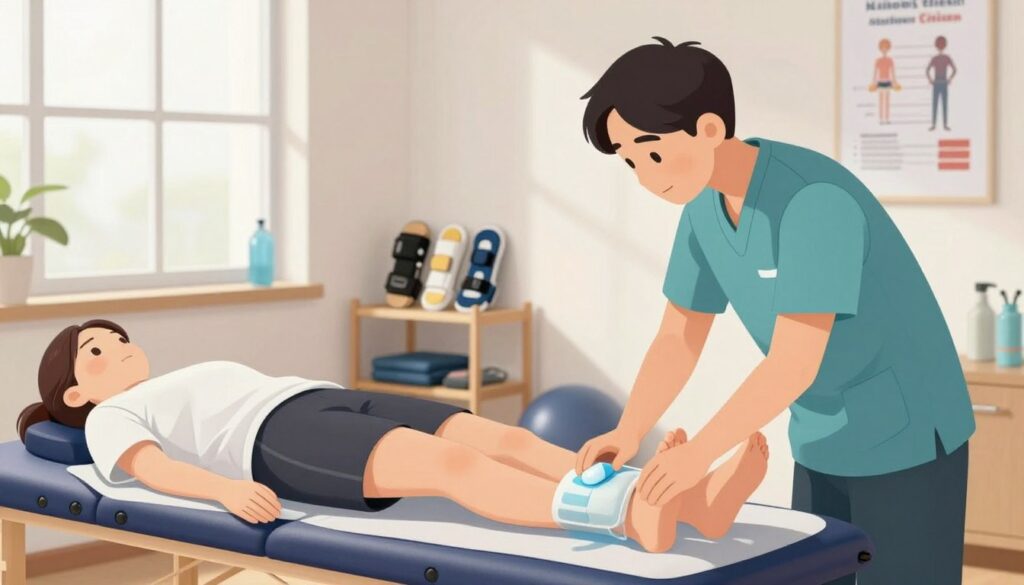
If your symptoms don’t get better or get worse, see a doctor. They can give a detailed check-up and suggest the right treatment. This might include special shoes or physical therapy. Getting help early can stop things from getting worse and help you get back to your activities faster.
What Are Orthotics?
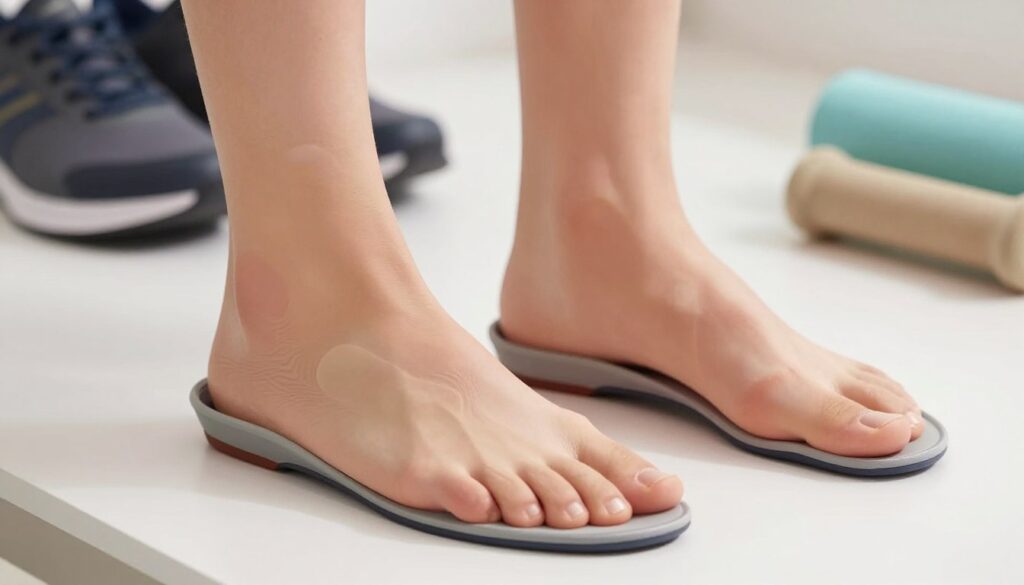
Orthotics are special devices that help with foot health. They support, align, or improve foot function. They can fix many foot problems, like shin splints.
Custom vs. Over-the-Counter Options
There are two main types of orthotics: custom and over-the-counter (OTC). Custom orthotics fit your foot perfectly, offering precise support. OTC orthotics are ready-made and come in standard sizes, making them cheaper and easier to find.
Materials and Design Features
Orthotics are made from materials like plastics, cork, and carbon fiber. The material choice depends on the use, durability, and comfort. Features like arch support, cushioning, and rigidity are key to their effectiveness.
How Orthotics Influence Foot Function
Orthotics support and correct foot alignment, affecting foot function. They spread pressure, lessen stress on sensitive spots, and enhance foot mechanics. This can lessen symptoms of shin splints and other foot issues.
Can Orthotics Help Shin Splints? The Evidence
Orthotics for shin splints are based on the idea that biomechanical problems can cause this condition. They aim to fix these issues to ease symptoms and stop them from coming back.
Research Findings on Orthotic Intervention
Research has looked into how well orthotics work for shin splints. It shows they can be helpful, but results differ from person to person. A study in a sports medicine journal found that athletes with custom orthotics had less shin pain than those without.
Success Rates and Limitations
Even though orthotics seem promising, they have their limits. Not everyone will see big improvements. The success depends on how severe the condition is, the type of orthotic, and the person’s biomechanics.
Who May Benefit Most from Orthotic Support
People with biomechanical problems like overpronation or supination might get the most from orthotics. Those who’ve had shin splints or other lower limb injuries could also benefit. For more on how orthotics help with related issues, check out this resource.
| Benefit | Description | Success Rate |
|---|---|---|
| Pain Reduction | Orthotics can help reduce shin pain by addressing biomechanical issues. | 70% |
| Injury Prevention | By correcting foot mechanics, orthotics may help prevent shin splints. | 60% |
| Improved Function | Orthotics can enhance overall lower limb function and performance. | 80% |
The Assessment Process
The assessment process is key to figuring out what causes shin splints. It’s important to do a detailed check to find out what’s wrong and how to fix it.
Professional Evaluation Components
When checking for shin splints, doctors look at your medical history and do a physical exam. They want to know about your health, how active you are, and your symptoms.
- Medical history review
- Physical examination
- Symptom assessment
Gait Analysis and Biomechanical Testing
Gait analysis and biomechanical testing are important parts of the check-up. These tests look for problems in how you walk or run and how your feet and legs line up.
| Test Type | Purpose |
|---|---|
| Gait Analysis | Assess walking or running patterns |
| Biomechanical Testing | Evaluate foot mechanics and lower limb alignment |
Imaging and Diagnostic Considerations
Doctors might use X-rays or MRI scans to check for other problems or to see if there’s something structural going on with your shin splints.
“Imaging plays a crucial role in diagnosing and managing shin splints, allowing healthcare professionals to identify potential complications and develop targeted treatment strategies.”
By looking at the results from the check-up, gait analysis, biomechanical testing, and imaging, doctors can understand what’s causing your shin splints. Then, they can make a plan to help you get better.
Selecting the Right Orthotic Solution
Choosing the right orthotic is key to managing shin splints. The right one can offer the support and correction needed. This can help ease pain and prevent future problems.
Matching Orthotic Features to Your Needs
First, understand what you need. Think about how severe your shin splints are, your foot type, and how active you are. Customized orthotics are great because they’re made just for you.
- Assess the level of arch support needed
- Consider the material and durability required
- Evaluate the need for additional features like metatarsal support
Prescription vs. Ready-Made Options
Orthotics come in two types: prescription and ready-made. Prescription orthotics are made just for you, based on your foot’s mechanics. Ready-made ones are cheaper but might not fit as well.
Cost Considerations and Insurance Coverage in New Zealand
The cost of orthotics can vary a lot. In New Zealand, insurance coverage for them might be available. Check with your insurance to see what’s covered.

Complementary Approaches to Maximize Results
To fully recover from shin splints, using orthotics with other treatments is key. Orthotics are important, but other methods can make them work better.
Footwear Selection and Modifications
Choosing the right shoes is crucial for shin splints. Look for shoes that support and cushion well. Motion control shoes or those with enhanced arch support are good choices.
Training Adjustments and Load Management
Changing your workout routine is also important. Start with easier exercises and add low-impact activities like cycling or swimming. This helps lessen the stress on your shin.
Rehabilitation Exercises to Support Recovery
Doing specific exercises can make your shin muscles stronger. This makes your shin more resilient and less likely to get hurt again. A physical therapist can suggest exercises like stretching and strengthening ones.
| Complementary Approach | Benefits |
|---|---|
| Footwear Selection | Reduces stress on the lower leg |
| Training Adjustments | Gradually increases exercise intensity |
| Rehabilitation Exercises | Strengthens muscles around the shin |
Using these methods together can help you get the most out of orthotics. This way, you can recover better from shin splints.
Potential Limitations of Orthotic Therapy
Orthotics can help with shin splints, but they’re not always enough. It’s important to know when they might not work. This helps set realistic goals and find other ways to treat the problem.
When Orthotics May Not Be Sufficient
Orthotics might not solve all shin splint problems. Biomechanical issues or training errors might need more help. For example, if a runner has a big leg length difference or severe overpronation, orthotics might not be enough.
Adjustment Periods and Comfort Issues
Some people might find orthotics uncomfortable at first. They might feel too bulky or uncomfortable. Gradual introduction and proper fitting can make things better.
Alternative Interventions to Consider
If orthotics don’t work, other treatments might be needed. This could include physical therapy, changing how you train, or different shoes. Sometimes, shockwave therapy is considered too.
Prevention Strategies for Recurring Shin Splints
Managing shin splints long-term means using biomechanical support, changing how you train, and following care tips. It’s key to stop shin splints from coming back.
Long-term Biomechanical Support
Long-term support is key to stop shin splints from coming back. Custom orthotics can help. They adjust to your foot and leg, spreading out pressure and easing stress on your shins.
Training Modifications and Progression
Changing how you train is also important. Start slowly and increase intensity and frequency little by little. This lets your body recover. Periodizing your training helps avoid sudden increases in activity that can cause shin splints.
Maintenance and Replacement Guidelines
It’s important to check and maintain your orthotics regularly. Follow guidelines for when to replace them. Usually, every 12 to 18 months, or sooner if they show wear.
Using these prevention methods can greatly lower the chance of getting shin splints again. This way, you can keep being active.
Conclusion: Making Informed Decisions About Shin Splint Management
Managing shin splints well means looking at all treatment options carefully. Orthotics can help a lot by supporting the legs and easing pressure.
Knowing what causes and shows shin splints is the first step to getting better. Getting advice from a pro is key to making a treatment plan. This plan might include orthotics, exercises, and changes in how you train.
Choosing the right treatment for shin splints means weighing its good and bad sides. With the right help, you can beat shin splints and get back to doing what you love.
Handling shin splints right is important to avoid getting hurt again and to keep your legs healthy for a long time. By getting expert advice and using the right treatments, you can make smart choices. This leads to the best results for your health.