
Heel spurs are small, bony growths on the underside of the heel bone. They cause sharp foot pain. This pain can make everyday activities hard, so it’s important to know how to manage it.
Orthotics are often suggested to ease heel spur pain. They offer support and cushioning. This helps spread out pressure and lessens foot strain.
People with foot pain from heel spurs or plantar fasciitis might find relief with orthotics. It’s key to talk to a healthcare expert to find the right treatment.
Key Takeaways
- Heel spurs are bony growths that cause foot pain.
- Orthotics can help alleviate heel spur discomfort.
- Proper diagnosis is essential for effective treatment.
- Consulting a healthcare professional is recommended.
- Orthotics provide support and cushioning for the foot.
Understanding Heel Spurs and Their Impact
Heel spurs are bony growths on the underside of the heel bone. They can cause a lot of pain for many people. These calcium deposits form from repetitive strain on the muscles and tendons around the heel.
What Are Heel Spurs?
Heel spurs are bony protrusions on the heel bone. They often come with inflammation of the plantar fascia, a band of tissue at the foot’s bottom. While they can lead to heel pain, not everyone with them feels symptoms.
Common Symptoms Associated with Heel Spurs
People with heel spurs might feel sharp pains in their heel, especially in the morning or after rest. The pain can be severe and lessen as the foot is used more. They might also feel stiffness and discomfort in the heel and foot’s bottom.
How Heel Spurs May Affect Daily Activities
Heel spurs can make daily life hard. Simple tasks like walking or standing for long periods can hurt. The pain from heel spurs can also stop people from doing physical activities or sports.
| Activity | Potential Impact of Heel Spurs |
|---|---|
| Walking | Pain and stiffness, especially in the morning |
| Standing | Discomfort and pain after prolonged standing |
| Running/Sports | Increased pain and potential limitation in participation |
The Relationship Between Plantar Fasciitis and Heel Spurs
Plantar fasciitis and heel spurs are often linked. Plantar fasciitis causes inflammation in the plantar fascia, a tissue that supports the foot’s arch. This can lead to pain in the heel and the foot’s bottom.
Distinguishing Between These Conditions
Though related, plantar fasciitis and heel spurs are different. Plantar fasciitis is an inflammatory issue. On the other hand, a heel spur is a bony growth on the heel bone. Having one doesn’t mean you have the other, but they can happen together.
When Heel Spurs Develop from Plantar Fasciitis
Heel spurs can form from long-term inflammation in plantar fasciitis. The body might create calcium deposits as a response, leading to a heel spur. Factors that can contribute include:
- Prolonged strain on the plantar fascia
- Inadequate foot mechanics
- Poor footwear choices
Knowing how these conditions are connected is key to treating and managing them effectively.
Biomechanics of Foot Pain Related to Heel Spurs
Biomechanics is key in heel pain and heel spurs. How we walk and stand affects our heels. A doctor’s check-up is vital to understand these issues.
How Weight Distribution Affects Heel Pain
How our weight is spread on our feet matters a lot. Uneven weight can stress the heel, making pain worse. Experts say uneven walking can strain the plantar fascia, causing pain and inflammation.
The Role of Gait Analysis in Understanding Heel Spurs
Gait analysis helps see how walking patterns cause heel pain. It spots problems that add to the pain. This info helps make a treatment plan, like using orthotics to fix foot issues.
Getting a professional check-up is crucial for heel spur treatment. It helps tackle the root causes of pain. This way, people can ease their heel pain and avoid more problems.
When to Seek Professional Assessment for Heel Pain
If you’re dealing with ongoing heel pain, getting a professional check-up is key. Heel pain can really mess up your day-to-day life. A pro can help figure out what’s causing it.
Common Diagnostic Procedures
A podiatric visit starts with a detailed medical history and physical check-up. They might use:
- X-rays to spot bone spurs or other bone issues
- Ultrasound to check for soft tissue damage
- Gait analysis to look at how you walk
What to Expect During a Podiatric Consultation
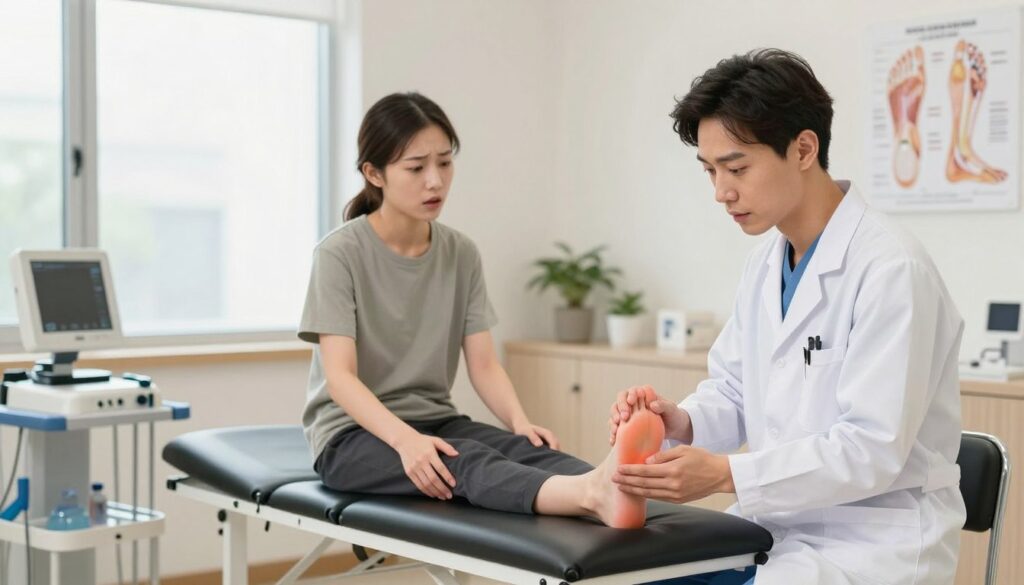
At your visit, you’ll talk about your symptoms and health history with a podiatrist. They’ll do a physical exam and might run some tests to find out why you’re in pain.
Finding Qualified Practitioners in New Zealand
To find a good podiatrist in New Zealand, try these steps:
- Look up registered podiatrists at your local health authority
- Get recommendations from your doctor
- Check with groups like the New Zealand Podiatry Association
Getting a professional to check your heel pain is a big step towards feeling better.
Conservative Treatment Options Before Considering Orthotics
Before looking into orthotics for heel spurs, it’s key to try conservative treatments first. These methods can help manage pain without needing more serious steps.
Rest and Activity Modification Strategies
Letting the heel rest and changing how you move can help a lot. Try doing less intense workouts or doing low-impact activities like swimming. This lets the heel heal and can lessen pain.
Ice and Anti-inflammatory Approaches
Ice can help lower swelling and ease pain. Also, anti-inflammatory drugs, with a doctor’s advice, can help manage symptoms. These are good for early treatment.
Stretching Exercises That May Provide Relief
Doing stretching exercises can ease tension in the foot and calf. This might help with heel spur pain. Toe and calf stretches are good examples. Doing these regularly can make your foot more flexible and reduce heel pain.
Trying these conservative treatments can really help with heel spur symptoms. Always talk to a healthcare expert to find the best treatment for you.
Orthotics for Heel Spurs: Mechanisms and Benefits
Heel spurs can really affect your daily life. But, orthotics might help lessen this problem. Orthotics are made to support and ease pain from foot issues like heel spurs.
The Science Behind Orthotic Support
Orthotics help by spreading out pressure and adding cushioning to sore spots on your foot. Good orthotics support the arch and heel, easing the pressure on the plantar fascia and other tissues. This is great for people with heel spurs, as it can reduce pain and discomfort.
Types of Support Offered by Different Orthotics
There are many kinds of orthotics, each with its own level of support and cushioning. Some common ones include:
- Custom-made orthotics made just for your foot
- Ready-to-buy orthotics that offer general support
- Special heel cups and pads for heel pain
Potential Benefits from Proper Orthotic Use
Many people see big improvements with orthotics, like less pain and better movement. The benefits of orthotics for heel spurs include:
| Benefit | Description |
|---|---|
| Pain Reduction | Orthotics can move pressure away from sore spots |
| Improved Mobility | With less pain, orthotics let you do daily things more easily |
| Enhanced Foot Support | Orthotics add extra arch support and cushioning, helping your foot work better |
Learning about how orthotics work and their benefits can help those with heel spurs choose the best treatment.
Types of Orthotics Available for Heel Spur Management
Understanding the different types of orthotics is key to managing heel spurs. Orthotics support or correct the foot’s function. They help ease heel spur symptoms.
Over-the-Counter Options in New Zealand
In New Zealand, you can find over-the-counter (OTC) orthotics at pharmacies and online. These are pre-made and fit standard sizes. They’re cheaper and work well for mild to moderate heel spurs.
Custom-Made Orthotics: Process and Providers
Custom-made orthotics fit your foot perfectly. You’ll see a podiatrist or orthotist for a fitting. They use scans to make your orthotics. In New Zealand, specialized podiatry clinics and orthotic manufacturing companies offer these services. They’re great for complex cases.
Specialized Heel Cups and Pads
Heel cups and pads target support and cushioning for the heel. They’re great for heel spur relief. You can use them alone or with other orthotics.
Materials and Durability Considerations
Orthotics are made from different materials like EVA foam, polypropylene, and gel. The material choice depends on your needs and comfort. It affects how long the orthotics last.
Price Ranges and Funding Options
Orthotics prices vary in New Zealand. OTC ones cost NZD 20 to NZD 100. Custom ones can be NZD 300 to NZD 800 or more. Some insurance may help cover the cost if they’re medically necessary.
Selecting the Right Footwear to Complement Orthotics
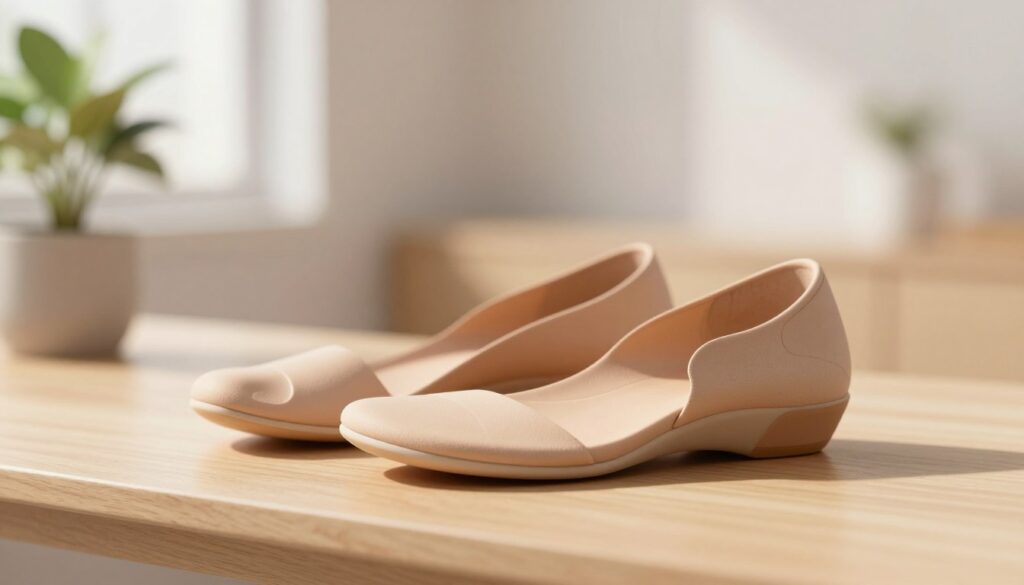
Wearing supportive shoes can greatly improve how well orthotics work. It’s especially important when dealing with heel spurs. You need shoes that support the orthotics well, adding comfort and support.
Key Features to Look for in Supportive Shoes
When picking shoes for orthotics, look for these features:
- Good arch support to reduce strain on the plantar fascia
- Adequate cushioning to absorb shock and reduce impact on the heel
- A comfortable, roomy toe box to accommodate the orthotic without constriction
- A stable heel counter to prevent excessive heel movement
Footwear Styles That Work Best with Orthotics
Some shoes work better with orthotics than others. Shoes with removable insoles are great because they let you insert orthotics easily. For more info on shoes that fit orthotics well, visit https://customorthopedic.ca/plantar-fasciitis-footwear/.
New Zealand Brands That Offer Orthotic-Friendly Options
In New Zealand, there are many brands that make orthotic-friendly shoes. Some top brands include:
- New Balance, known for their supportive and cushioned shoes
- ASICS, offering a range of orthotic-friendly running shoes
- Brooks, providing supportive shoes with good arch support
The Adjustment Period: What to Expect When Starting Orthotics
Starting orthotics can be a bit of an adjustment. It’s normal for your body to take time to get used to the new support and alignment. This is part of the process.
Common Adaptation Experiences
Some people might feel a bit of discomfort or think the orthotics are too big at first. But, these feelings usually go away as your feet get used to them.
Recommended Break-in Schedule
It’s best to start slowly with orthotics. Wear them for a few hours a day and then increase the time as you get more comfortable.
| Day | Recommended Wear Time |
|---|---|
| 1-2 | 2-3 hours |
| 3-4 | 4-6 hours |
| 5 and beyond | Full day |
Signs That Modifications May Be Needed
If you’re still feeling pain or discomfort, it might be time for adjustments. It’s a good idea to talk to a healthcare professional about this.
Complementary Approaches to Enhance Orthotic Treatment
Orthotics are key for support, but other treatments can help too. These therapies work with orthotics for better relief. They help with heel spur symptoms.
Physical Therapy Options
Physical therapy is great with orthotics. It uses ultrasound and electrical stimulation to lessen pain and swelling. A physical therapist can also create exercises to better foot movement.
Massage and Soft Tissue Techniques
Massage therapy and soft tissue methods relax the foot and calf. They reduce muscle tension that worsens heel spur pain. Regular massages boost orthotic treatment’s success.
Strengthening Exercises for Long-term Support
Adding strengthening exercises to treatment helps long-term. They make the foot stronger and more flexible. Exercises for the foot and ankle prevent future problems.
- Toe curls and spreads
- Heel raises
- Ankle rotations
Using these methods, people with heel spurs get better relief and foot function.
When to Consider Additional Interventions Beyond Orthotics
When orthotics don’t help enough, it’s time to think about more treatments for heel spurs. Orthotics work well for many, but some cases need extra help to feel better.
Indicators That Conservative Treatment May Need Supplementation
If pain keeps coming back or gets worse, it’s time to look at other options. Signs include not being able to move well, feeling more pain when you’re active, or not seeing improvement.
Medical Interventions That Might Be Discussed
Doctors might talk about steroid injections to cut down on swelling or anti-inflammatory medications to ease pain. They might also suggest physical therapy to help your foot move better and strengthen muscles.
The Role of Surgical Options in Persistent Cases
For severe cases where other treatments didn’t work, surgical options might be talked about. Surgery can be simple or complex, depending on your situation and health.
It’s important to talk to a healthcare expert to figure out the best treatment. They can explain the benefits and risks of more treatments.
Conclusion: Developing a Personalized Heel Spur Management Plan
Managing heel spurs well needs a detailed plan that tackles the root causes. A personalized plan can help people deal with heel spurs and lessen their symptoms.
Knowing how plantar fasciitis and heel spurs are linked is key. Adding orthotics, changing shoes, and trying other treatments can help. This way, people can create a plan that fits their needs.
Seeing a qualified doctor is crucial to find the right treatment. This info is for learning, not to replace doctor’s advice.