

Shin splints are a common injury that causes pain along the inner edge of the shinbone. They are often seen in athletes and people who do repetitive activities. Orthotics might help ease the pain from shin splints.
Custom orthotics offer support and fix biomechanical problems that lead to shin splints. Knowing how orthotics help with shin splints treatment can open up new ways to manage the condition.
Key Takeaways
- Shin splints are a common overuse injury.
- Orthotics may help alleviate the discomfort associated with shin splints.
- Custom orthotics provide support and correct biomechanical issues.
- Understanding orthotics can help individuals explore alternative treatment options.
- Orthotics are a potential solution for managing shin splints.
Understanding Shin Splints: Causes and Symptoms
Knowing the causes and symptoms of shin splints is key to managing and preventing them. Shin splints, also known as medial tibial stress syndrome, happen when the muscles, tendons, and bone around the tibia get inflamed.
What Are Shin Splints?
Shin splints cause pain in the lower leg, usually on the inner side of the tibia. This condition is common in athletes, especially runners. It also affects people who do activities that stress their legs a lot.
Common Causes and Risk Factors
Several things can lead to shin splints, including:
- Overuse or repetitive stress on the legs
- Poor foot biomechanics, such as overpronation or flat feet
- Inadequate footwear or training surfaces
- Sudden changes in exercise intensity or frequency
Recognizing Shin Splint Symptoms
Symptoms of shin splints include:
| Symptom | Description |
|---|---|
| Pain or tenderness | Along the inner edge of the tibia |
| Swelling or inflammation | In the affected area |
| Warmth or redness | Due to inflammation |
If you’re feeling these symptoms, it’s important to get a professional check-up. They can help diagnose and treat the condition. This can help reduce pain and prevent more damage.
The Biomechanics Behind Shin Splints
Knowing how shin splints work is key to treating and stopping them. Shin splints are common in runners and athletes. They happen because of how our lower legs move and function.
How Running Mechanics Affect Lower Leg Stress
How we run affects our lower legs. Bad running styles, like overstriding or overpronation, can cause shin pain. Experts look at how we run to find problems.
Foot Pronation and Its Impact on Shin Pain
Foot pronation is a big factor in shin splints. Overpronation means the foot rolls too much, stressing the shin. This is because it makes the lower leg twist more, straining muscles and bones.
Muscle Imbalances and Structural Factors
Muscle imbalances and body structure also play a part in shin splints. We need to look at the calf-to-shin strength ratio and arch height.
Calf-to-Shin Strength Ratio
When the calf muscles are stronger than the shin muscles, it can lead to shin splints. Doing exercises to strengthen the shin can help.
Arch Height Considerations
Arch height also matters. Both high arches and flat feet can cause uneven stress on the lower leg. Doctors might suggest orthotics to fix this.
Understanding these biomechanical factors helps doctors create better treatment plans. This way, they can help prevent shin splints from happening again.
When to Seek Professional Help for Shin Splints
If shin pain doesn’t go away with home care, it’s time to see a doctor. Many shin splints can be treated with rest and simple steps. But, some cases need medical help to avoid more serious problems.
Warning Signs That May Require Medical Attention
Knowing when to get help is key. Look out for these signs:
- Persistent pain that doesn’t improve with rest
- Severe pain that interferes with daily activities
- Swelling or bruising around the shin area
- Weakness or numbness in the legs
What to Expect During a Professional Assessment
A doctor will do a detailed check-up for shin splints. This includes:
- A detailed medical history to identify any underlying conditions
- A physical examination to assess gait, foot mechanics, and lower leg function
- Potential diagnostic tests such as X-rays or an MRI to rule out other conditions
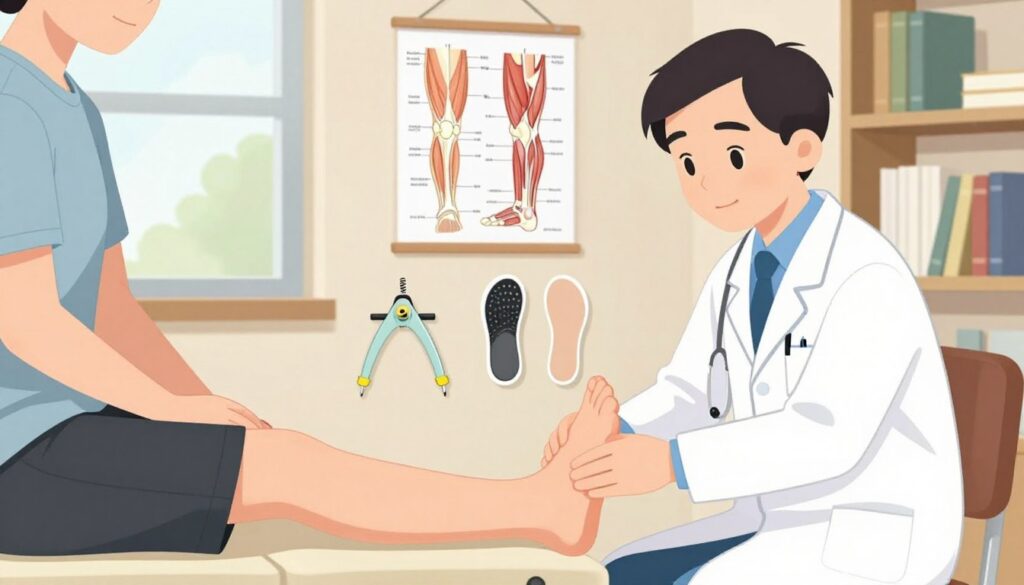
Finding the Right Practitioner in New Zealand
In New Zealand, you can find help from sports medicine doctors, physiotherapists, and podiatrists. Look for someone with the right skills and experience in treating shin splints.
How to Treat Shin Splints with Orthotics
Orthotics are being used to treat shin splints. They can help reduce pain and improve function. They correct foot mechanics and lessen stress on the lower leg.
The Mechanism of Orthotic Support for Shin Pain
Orthotics support by spreading pressure evenly across the foot. This reduces strain on the lower leg muscles and tendons. Custom orthotics are especially good because they fit your foot perfectly.
Types of Orthotics That May Help Shin Splints
There are many orthotics for shin splints, like custom-made orthotics and ones you can buy over the counter. Custom ones are made for your foot, while the others are more general. If you need help, see a specialist like those at Gait Doctor.
Current Research on Orthotic Effectiveness
Research shows orthotics are good for shin splints. They can lessen pain and help you move better.
Studies Supporting Orthotic Intervention
Studies show orthotics work well for shin splints. For example, one study found that custom orthotics cut pain a lot.
Limitations in Current Research
Even though research is promising, there are some limits. We need more long-term studies and bigger groups. But, the evidence supports using orthotics as a treatment.
| Type of Orthotic | Benefits | Considerations |
|---|---|---|
| Custom Orthotics | Tailored to individual biomechanics, highly effective | More expensive, requires professional assessment |
| Over-the-Counter Orthotics | More affordable, readily available | May not address specific biomechanical issues |
Custom vs. Over-the-Counter Orthotics for Shin Splints
Choosing between custom and over-the-counter orthotics for shin splints depends on several factors. These include the severity of the condition and the individual’s foot biomechanics. It’s important to know the differences between these two options when treating shin splints.
Benefits of Custom-Made Orthotic Devices
Custom orthotics are made to fit your feet perfectly, offering personalized support and correction. This tailored approach is especially helpful for severe shin splints or specific foot issues. Custom orthotics can address complex foot issues that standard options might not handle well.
When Over-the-Counter Options May Be Appropriate
For mild shin splints or normal foot biomechanics, over-the-counter orthotics are a cost-effective choice. These devices are easy to find and can offer enough support for less severe cases. Yet, they lack the customization of custom-made orthotics.
To learn more about the differences between custom and over-the-counter orthotics, check out this resource for a detailed comparison.
Cost Considerations and ACC Coverage in New Zealand
In New Zealand, the cost of orthotics varies between custom-made and over-the-counter options. Custom orthotics, though pricier, might be partly covered by the Accident Compensation Corporation (ACC) for injury treatment. It’s important to talk to a healthcare professional to find the best and most affordable solution.
| Feature | Custom Orthotics | Over-the-Counter Orthotics |
|---|---|---|
| Customization | Tailored to individual foot shape | Standard sizes |
| Cost | Generally more expensive | Less expensive |
| ACC Coverage | May be partially covered for injury treatment | Not typically covered |
Complementary Treatments to Use Alongside Orthotics
Several treatments can help with shin splint symptoms, besides orthotics. These methods work together to lessen pain, aid in healing, and stop future problems.
Rest and Activity Modification Strategies
Rest is key for shin splint recovery. It means cutting down or stopping activities that make the problem worse, like running or jumping. This lets the lower legs heal and prevents more irritation.
Changing activities is also important. Try low-impact activities like cycling or swimming, which are easier on the lower legs. Slowly going back to hard activities can help avoid injury.
Strengthening Exercises for Shin Splint Prevention
Strengthening the lower leg muscles can prevent shin splints. Doing calf raises and toe curls can make the muscles around the shin stronger. This gives more support and lowers injury risk.
A good strengthening routine could be:
- Calf raises: 3 sets of 15 repetitions
- Toe curls: 3 sets of 10 repetitions
- Heel walks: 3 sets of 20 steps
Stretching Routines to Support Recovery
Stretching can ease tension in the lower legs and help recovery. Focus on calf and Achilles tendon stretches for the best results.
A simple stretching routine could include:
- Calf stretch: 3 sets of 30 seconds per leg
- Achilles tendon stretch: 3 sets of 30 seconds per leg
Ice, Compression, and Anti-inflammatory Approaches
Ice, compression, and elevation (RICE method) can cut down inflammation and pain from shin splints.
| Treatment | Description | Benefits |
|---|---|---|
| Ice | Apply ice packs to the affected area for 15-20 minutes, several times a day. | Reduces inflammation and pain. |
| Compression | Use compression bandages or sleeves to provide support. | Helps reduce swelling and provides support. |
| Anti-inflammatory measures | May include over-the-counter anti-inflammatory medications. | Can help reduce pain and inflammation. |

Proper Footwear Selection with Orthotics
Choosing the right shoes is key to getting the most out of orthotics. When using orthotics for shin splints, picking shoes that match the orthotic support is crucial.
How to Choose Shoes That Work with Orthotic Devices
To find shoes that pair well with orthotics, keep these tips in mind:
- Make sure the shoe has enough room for the orthotic without feeling tight.
- Look for shoes with insoles you can remove to fit custom orthotics.
- Choose shoes made of breathable materials with good cushioning for comfort.
The Importance of Proper Fit and Support
Finding the right fit for both the shoe and orthotic is essential. Shoes that don’t fit right can undo the benefits of orthotics and even make shin splints worse.
Look for these important features:
- Good arch support
- Cushioning in the midsole and forefoot
- A comfortable, secure fit
When to Replace Shoes for Optimal Protection
It’s important to replace shoes regularly for the best support and protection.
Here are signs it’s time for new shoes:
- Visible wear and tear
- Less cushioning
- More discomfort or pain
Running shoes should be replaced every 500-700 kilometers or every 3-6 months, depending on how much you use them.
Popular Footwear Brands in New Zealand for Orthotic Users
In New Zealand, ASICS, Brooks, and New Balance are favorites among those who use orthotics. These brands offer models that fit well with orthotics and provide the support needed. When picking a brand, think about comfort, support, and how long they last.
Preventing Shin Splint Recurrence with Orthotics
To prevent shin splints from coming back, you need orthotics and a slow return to activity. Orthotics help by supporting and aligning your lower legs. This is key to avoiding shin splints.
Gradual Return to Activity Guidelines
Going back to activity slowly is very important after shin splints. You should start with easy workouts and then slowly add more intensity. This lets your legs get used to the activity without getting hurt.
- Start with low-impact activities such as swimming or cycling.
- Gradually introduce running or high-impact activities.
- Monitor your body’s response and adjust your training accordingly.
Training Modifications for Long-Term Success
Changing your workout routine can help prevent shin splints from coming back. You might run on softer surfaces, do strength training, or stretch more.
Key training modifications include:
- Running on softer surfaces to reduce impact.
- Incorporating strength training to improve muscle balance.
- Improving flexibility through regular stretching exercises.
Maintenance and Replacement of Orthotic Devices
It’s important to keep your orthotics in good shape and replace them when needed. This ensures they keep working to prevent shin splints.
Have your orthotics checked by a healthcare professional regularly. This makes sure they’re still doing their job well.
Monitoring Your Body’s Response to Treatment
Watching how your body reacts to treatment is crucial. Pay attention to any pain or discomfort. If you notice changes, adjust your orthotics or workout plan.
By being careful and making changes when needed, you can lower your chances of getting shin splints again.
Conclusion: Creating a Comprehensive Shin Splint Management Plan
Managing shin splints well means using orthotics, resting, and changing how you move. Knowing what causes and shows shin splints is key to feeling better. Orthotics are very important because they help support your lower leg and lessen stress.
Every treatment plan should fit the person’s needs. This includes looking at their body mechanics, how they run, and if their feet pronate. Adding exercises and stretches to orthotics helps in healing and keeps shin splints away.
Remember, everyone’s body is different, and what works for one might not work for another. Always talk to a healthcare expert to find the right treatment. With a good plan, you can stay active and avoid injuries.