
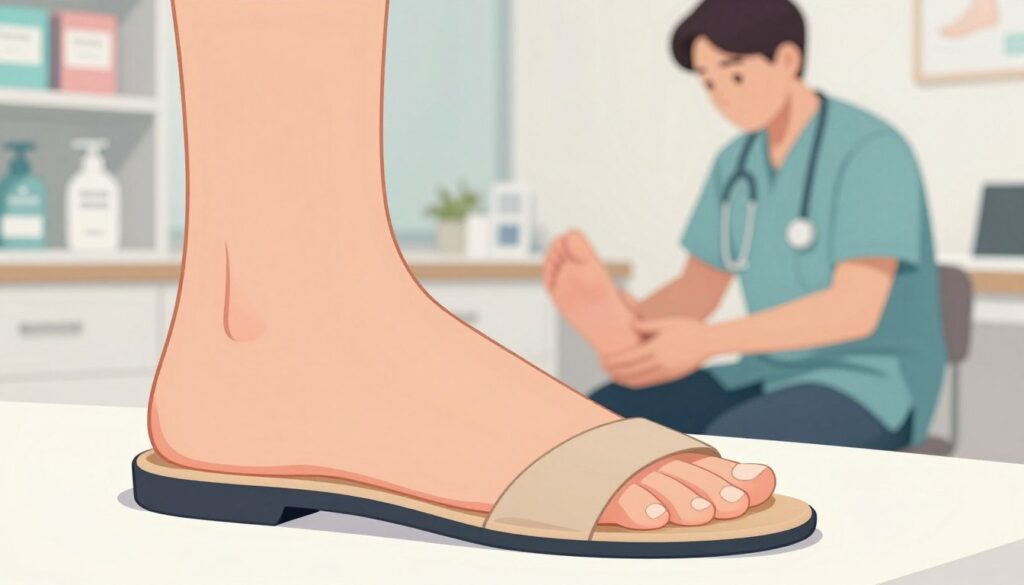
Bunions can make everyday activities tough and painful. Effective bunion treatment is key to easing foot pain and enhancing life quality.
Custom orthotics might be a good option for managing bunions. They can offer foot pain relief. Concord Podiatry Blog says orthotics are important for reducing bunion discomfort.
This article will dive into how orthotics can tackle bunions. We’ll look at what treatment entails and the perks of custom orthotics for foot pain relief.
Key Takeaways
- Orthotics can help manage bunions and alleviate foot pain.
- Custom orthotics are designed to provide support and comfort.
- Bunion treatment options vary, and orthotics are one potential solution.
- Effective foot pain relief is a key benefit of using orthotics.
- Consulting a podiatrist is essential to determine the best course of treatment.
Understanding Bunions and Their Impact
Bunions are bony bumps at the base of the big toe. They can make daily life hard. Wearing shoes or walking can hurt.
What Are Bunions?
Bunions are bony bumps at the big toe’s base. Clinical Definition and Appearance show the big toe pointing towards the second toe.
Clinical Definition and Appearance
A bunion looks like a bump. It might also have redness and swelling.
Prevalence in New Zealand
Bunions are common in New Zealand. Genetics, footwear, and foot mechanics play a part.
Common Causes and Risk Factors
Several things can cause bunions, including:
- Genetics: Family history matters.
- Footwear: Tight or poorly fitting shoes can make it worse.
- Foot mechanics: How the foot works can also contribute.
Symptoms and Progression Patterns
Symptoms include pain, redness, and swelling. If not treated, bunions can get worse. This can hurt more and affect other parts of the foot.
How Foot Biomechanics Contribute to Bunion Development
It’s important to know how foot biomechanics lead to bunions. Studies from Foot and Ankle Associates of Southern show this link. They found that certain foot movements can increase the chance of bunions.
Normal Foot Mechanics During Walking
Walking involves many foot movements. These include pronation and supination. Pronation is when the foot rolls inward. Supination is when it rolls outward. A healthy balance between these movements is key for good foot function.
Biomechanical Factors in Bunion Formation
Several factors can lead to bunions. These include:
- Too much pronation, which stresses the big toe joint
- Abnormal gait patterns, which can be checked through gait analysis
- Not enough foot support, causing instability
These issues can cause bunions to form over time.
The Role of Pronation and Supination
Pronation and supination are key in bunion development. Too much pronation can raise the risk of bunions. It puts extra stress on the big toe joint. Knowing this helps in making better orthotics.
Orthotics for Bunions: Mechanism of Action
Orthotics are key in managing bunions by fixing biomechanical problems. Concord Podiatry Blog says they help by spreading out pressure and easing pain. This is done through support, correction, and pressure redistribution.

How Orthotics May Help Redistribute Pressure
Orthotics are made to move pressure away from bunions. They add support and cushioning to ease discomfort. Effective pressure redistribution is crucial for lessening pain and slowing bunion growth.
“Orthotics mainly work by lowering pressure on the bunion area,” a top podiatrist explains. This is done with a custom plan based on the person’s foot and bunion severity.
Addressing Biomechanical Contributors
Orthotics also tackle biomechanical causes of bunions. They fix issues like overpronation or supination to stop bunion growth. Biomechanical correction is vital in managing bunions, as it tackles the main issue.
Realistic Expectations for Pain Relief
Orthotics can greatly reduce pain, but it’s important to know what to expect. They are not a cure for bunions but a management tool. Pain relief often comes from orthotics, shoe changes, and other treatments.
What Orthotics Can and Cannot Do
Orthotics can:
- Redistribute pressure away from the bunion area
- Address biomechanical contributors to bunion development
- Provide pain relief
Orthotics cannot:
- Cure bunions
- Replace proper footwear and other conservative treatments
A skilled practitioner is key in finding the right orthotic for bunions. They look at the person’s foot and suggest the best orthotic.
Types of Orthotics for Bunion Management
Orthotics are key in managing bunions. They help ease pain, improve foot function, and slow bunion growth. There are many types to choose from.
Over-the-Counter Options Available in New Zealand
Many people find relief with over-the-counter (OTC) orthotics. They are easy to find in pharmacies and online in New Zealand. They are a cost-effective way to manage bunion pain.
Toe Spacers and Bunion Shields
Toe spacers keep the big toe and second toe apart. This reduces pressure and friction that can make bunions worse. Bunion shields protect the bunion from shoe irritation.
- Toe spacers help align toes naturally.
- Bunion shields shield against shoe pressure and friction.
Arch Supports and Full Insoles
Arch supports and full insoles spread foot pressure evenly. This can ease big toe joint strain. They’re great for those whose bunions get worse due to foot issues.
| Orthotic Type | Primary Benefit | Suitable For |
|---|---|---|
| Toe Spacers | Reduces toe pressure | Mild to moderate bunions |
| Bunion Shields | Protects against friction | Irritated bunions |
| Arch Supports | Redistributes foot pressure | Bunions with biomechanical issues |
Custom-Made Orthotics
Custom orthotics offer a personalized fit. They’re made from a detailed foot and gait analysis.
Materials and Construction
Custom orthotics use materials like plastics, cork, and foam. The choice depends on the person’s needs and preferences.
Longevity and Maintenance
Custom orthotics last 2 to 5 years with care. Clean them regularly and avoid extreme temperatures to extend their life.
Bunion-Specific Orthotic Devices
Some orthotics are made just for bunions. They might have a bunion cut-out or reinforced arch support. These features help manage bunion challenges.
In conclusion, there are many orthotics for bunions. Whether you choose OTC or custom-made, talking to a healthcare professional is key. They can help find the best fit for you.
Custom vs. Pre-Made Orthotics: Making the Right Choice
It’s important to know the difference between custom and pre-made orthotics for bunion relief. The right choice depends on the bunion’s severity, foot shape, and personal preferences.
Benefits of Custom Orthotics
Custom orthotics fit your foot perfectly, offering precise support. Foot and Ankle Associates of Southern NH says they’re great for complex foot issues or severe bunions. They can fix biomechanical problems that cause bunions, helping to reduce pain and stop them from getting worse.
When Pre-Made Options May Suffice
Pre-made orthotics offer general support and are good for mild bunions or as a preventive measure. They’re cheaper and easier to find than custom ones. For those with less severe bunions, they might be enough, especially with the right shoes and foot care.
Cost Considerations and Insurance Coverage in New Zealand
Orthotics can cost a lot, with custom ones being pricier. In New Zealand, insurance might help cover some of the cost. For more on treatments, check Gait Doctor’s page on problems they solve.
ACC Coverage Options
The Accident Compensation Corporation (ACC) in New Zealand might pay for orthotics after an injury. It’s key to check what’s covered with ACC.
Private Insurance Considerations
Private health insurance might also help with orthotics costs, depending on your policy. It’s best to talk to your insurance about what they cover.
| Orthotic Type | Custom Orthotics | Pre-Made Orthotics |
|---|---|---|
| Personalization | Tailored to individual foot shape | Standard sizes |
| Cost | Generally more expensive | More affordable |
| Insurance Coverage | May be covered under certain conditions | Less likely to be covered |
The Assessment Process for Bunion Orthotics
Getting a detailed assessment is key to finding the right orthotics for bunions. This process looks at several important parts. It helps doctors understand how bad the bunion is and what treatment works best.
Professional Evaluation Components
When checking for bunion orthotics, doctors look closely at the foot. They check its structure, how it works, and any issues that might be causing the bunion. Concord Podiatry Blog says a detailed check is needed to find the best treatment for bunions.
Gait Analysis and Pressure Mapping
Gait analysis and pressure mapping are advanced ways to see how someone walks and where pressure falls on their feet. This info is crucial for making orthotics that shift pressure and ease bunion pain.
Finding Qualified Practitioners in New Zealand
Finding a skilled practitioner for bunion orthotics is vital. In New Zealand, both podiatrists and orthotists can help. But, they focus on different things.
Podiatrists vs. Orthotists: Understanding the Difference
Podiatrists deal with foot and ankle problems. Orthotists make and fit orthoses, like orthotics for bunions. Knowing the difference helps pick the right expert for you.
| Professional | Specialization | Services for Bunion Orthotics |
|---|---|---|
| Podiatrist | Diagnosis and treatment of foot and ankle conditions | Comprehensive foot care, diagnosis, and treatment planning |
| Orthotist | Design, manufacture, and fitting of orthoses | Custom orthotic design and fitting |
Selecting and Using Your Orthotics Effectively
Choosing the right orthotics is key to managing bunions. It’s important to know how to break them in, pick the right shoes, and check if they work well over time.
Breaking In New Orthotics
It’s important to slowly get used to new orthotics to avoid pain. Start by wearing them for a few hours a day. Then, you can wear them for longer periods as your feet get used to them.
Compatible Footwear Considerations
The right shoes can make orthotics work better. Look for shoes that fit well with orthotics.
Shoe Features That Work With Orthotics
- A roomy toe box to accommodate the orthotic and toes comfortably
- Adjustable closures, such as laces or straps, to secure the foot
- A sturdy heel counter to support the foot’s rear
- A comfortable, cushioned insole
Monitoring and Adjusting Your Orthotics
It’s important to check your orthotics often to make sure they’re still working right. Look for wear and tear, and adjust how you use them if needed.
| Monitoring Aspect | Action Required |
|---|---|
| Signs of wear on the orthotic | Inspect regularly and replace when necessary |
| Discomfort or pain | Adjust wearing schedule or consult a professional |
| Changes in foot shape or condition | Consult a healthcare professional for reassessment |
When to Replace or Modify Orthotics
Orthotics may need to be replaced or changed over time. Regular visits to a healthcare professional can help figure out when they need adjusting.
By following these tips, you can use your orthotics to manage bunions and feel better in your feet.
Complementary Approaches to Bunion Management
Orthotics are key in managing bunions, but other strategies can help too. Adding different methods to a treatment plan can make a big difference. This can help reduce pain and slow down the bunion’s growth.
Footwear Modifications and Recommendations
Changing your shoes is a simple way to help bunions. Tight or high-heeled shoes can make bunions worse. Wide, comfortable shoes with a soft, roomy toe box can ease the pressure.
New Zealand Brands With Bunion-Friendly Options
In New Zealand, some brands make shoes that are good for bunions. Altra and New Balance offer wide sizes and comfy designs. Look for shoes that don’t squeeze your toes or bother the bunion.
Physical Therapy and Exercises
Physical therapy can greatly help with bunions. It improves foot mechanics and cuts down on pain. Specific exercises can make foot muscles stronger and more flexible. A physical therapist can create exercises just for you.
Pain Management Strategies
Managing pain is key for bunion sufferers. There are many ways to ease discomfort, like non-pharmaceutical approaches like ice therapy and rest.
Non-Pharmaceutical Approaches
- Applying ice to reduce inflammation
- Using toe spacers to realign toes
- Practicing foot exercises to strengthen foot muscles
When Orthotics May Not Be Enough
Orthotics can help a lot with bunion pain. But sometimes, they’re not enough. If your bunion is severe or getting worse, you might need more help.
Signs That Indicate Surgical Consultation
If your bunion pain keeps coming back, even with orthotics, it’s time to see a specialist. Also, if your bunion makes it hard to do everyday things, or if you have arthritis, you should talk to a doctor about surgery.
Understanding Surgical Options
There are different surgeries for bunions, depending on how bad they are. You might have an osteotomy, arthrodesis, or resection arthroplasty. The right surgery depends on how bad your bunion is, how old you are, and your health.
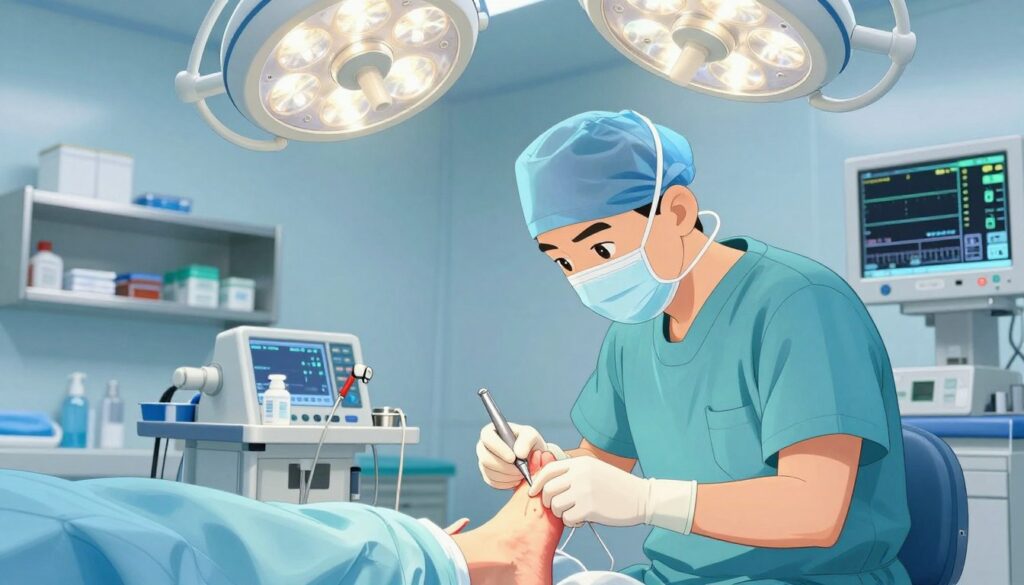
Recovery Expectations After Bunion Surgery
How long you’ll need to rest after surgery varies. You’ll likely need a few weeks to do less, then some time to get back to normal. You might need physical therapy to get your strength and movement back.
New Zealand Surgical Resources and Specialists
In New Zealand, you can get help from both public and private healthcare. Here’s a table with some key places to go:
| Specialist | Location | Services |
|---|---|---|
| Podiatric Surgeons | Auckland, Wellington, Christchurch | Bunion surgery, foot and ankle reconstruction |
| Orthopedic Surgeons | Major cities across NZ | Complex foot surgeries, including bunion correction |
It’s important to find a good specialist. They can help you figure out the best treatment for your bunion.
Conclusion: Creating a Comprehensive Bunion Management Plan
Creating a detailed bunion management plan is key to easing symptoms and boosting life quality. New Canaan Podiatry says a good plan helps people with bunions manage their condition well.
A good plan includes orthotics, changing shoes, physical therapy, and managing pain. It tackles the reasons why bunions form, helping to lessen pain and slow the condition’s growth.
It’s important to talk to experts to make a plan that fits you. They can check what you need, suggest the right orthotics, and advise on shoes and exercises.
By being proactive and comprehensive in bunion care, you can improve your foot health. A well-made plan can greatly help in managing symptoms and improving your life.