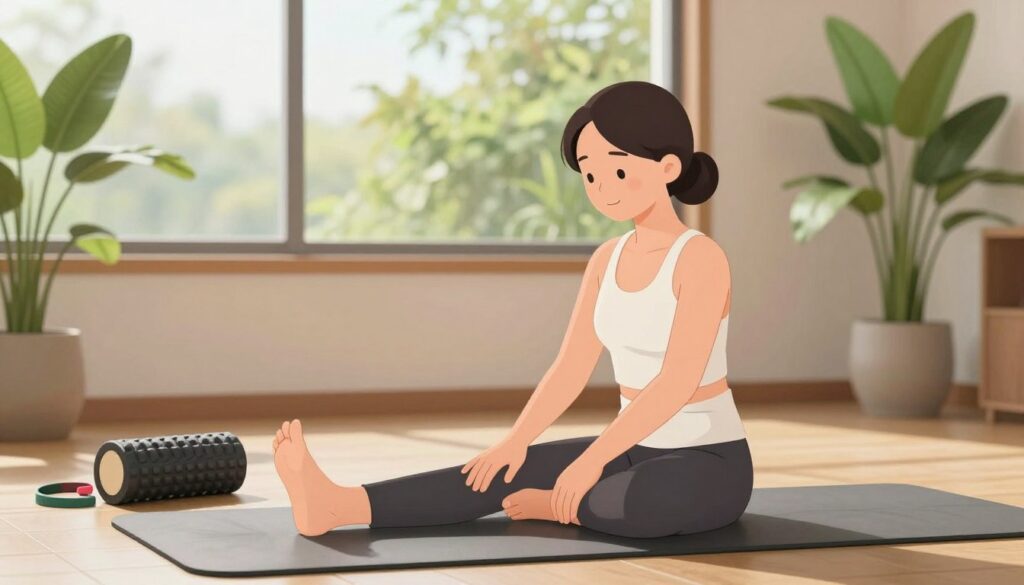
Foot pain can really mess up your day. It’s important to find ways to relieve it.
There are stretching and strengthening exercises that can help. They improve your foot’s health.
These exercises might not work for everyone. But they can help you understand what might help.
Key Takeaways
- Stretching exercises can help relieve tension in the foot.
- Strengthening exercises can improve foot stability.
- Combining stretching and strengthening exercises may enhance foot health.
- It’s essential to consult a healthcare professional before starting any new exercise routine.
- Educational exercises can help individuals manage foot pain.
Understanding Common Types of Foot Pain
Knowing the different types of foot pain is key to feeling better. Foot pain can show up in many ways, each with its own reasons and signs. Spotting these differences helps us tackle the discomfort and boost our foot health.
Plantar Fasciitis
Plantar fasciitis is a common issue. It happens when the plantar fascia, a tissue that supports the arch, gets inflamed.
Symptoms and Characteristics
People with plantar fasciitis feel sharp pain in their heel or foot’s bottom. This pain is worst when they first start moving or after resting for a while.
Common Causes
It’s hard to pinpoint the exact cause of plantar fasciitis. But it’s linked to too much use, bad foot mechanics, and the wrong shoes. For more on this, check out Understanding and Resolving Plantar Fasciitis.
Metatarsalgia
Metatarsalgia is pain and swelling in the foot’s ball area. It can be caused by lots of activity, shoes that don’t fit right, and foot shapes.
Identifying Ball of Foot Pain
Pain and tenderness in the foot’s ball area are signs of metatarsalgia. This pain gets worse when standing, walking, or running.
Contributing Factors
Things like running or jumping can make metatarsalgia worse. Shoes that don’t fit and foot deformities also play a part.
Arch Pain and Flat Feet
Arch pain often comes with flat feet. This is when the foot’s arch collapses or doesn’t form right.
Structural Considerations
The foot’s structure is key to arch pain. Flat feet put strain on the foot’s ligaments and muscles.
Impact on Daily Activities
Arch pain can make everyday tasks hard. It makes it tough to walk or stand for long.
Heel Pain and Achilles Issues
Heel pain can come from many places, like Achilles tendonitis. This is when the tendon that links the calf muscles to the heel gets inflamed.
Differentiating Types of Heel Pain
It’s important to tell apart different heel pain types. Causes range from plantar fasciitis to Achilles tendonitis.
Relationship to Movement Patterns
Heel pain and Achilles issues can come from overuse or repetitive strain. This is due to how we move.
The Connection Between Foot Mechanics and Pain
Understanding foot mechanics is key to finding the cause of foot pain. Foot mechanics, which include biomechanics and movement patterns, are vital for foot health.
How Biomechanics Affect Foot Health
Biomechanics study the body’s structure, function, and movement. In foot health, it helps us see how different parts of the foot work together.
Gait Analysis Basics
Gait analysis studies how we walk. It uses the eyes, brain, video, and body mechanics to check and improve our walking.
Weight Distribution Patterns
How weight is spread on the foot affects health. Bad patterns can cause pain and discomfort.
Common Movement Patterns That May Contribute to Pain
Movement patterns like overpronation and supination can lead to foot pain if not managed right.
Overpronation and Supination
Overpronation means the foot rolls inward too much. Supination is when it rolls outward. Both can cause problems if not fixed.
Impact of Walking and Running Habits
Our walking and running habits can hurt our feet. The constant stress can make existing problems worse or create new ones.
The Role of Muscle Imbalances
Muscle imbalances can change how we move, leading to pain.
Identifying Weak Muscle Groups
Finding weak muscles is important to fix imbalances.
Compensatory Movement Patterns
Imbalances can make us move in ways that hurt, adding to pain.
| Movement Pattern | Potential Issue | Corrective Measure |
|---|---|---|
| Overpronation | Flat feet, plantar fasciitis | Orthotics, strengthening exercises |
| Supination | Ankle instability, stress fractures | Balance exercises, proper footwear |
When to Seek Professional Help for Foot Pain
Foot pain that doesn’t go away or gets worse means you need a pro’s help. Ignoring it can cause more problems and affect your daily life.
Signs Your Foot Pain May Require Medical Attention
There are clear signs that your foot pain needs a doctor’s care. These include:
- Persistent or worsening symptoms
- Pain that limits daily activities
Persistent or Worsening Symptoms
If your foot pain keeps coming back or gets worse, you should see a doctor. Podiatrists and physical therapists can find and fix the problem.
Pain That Limits Daily Activities
If foot pain stops you from doing your daily tasks, it’s time to get help. Experts can create a plan to ease your pain and get you moving again.
Types of Foot Health Professionals
Many professionals can help with foot pain. Podiatrists are experts in foot disorders. Physical therapists help with recovery and getting you moving better.
| Professional | Specialization |
|---|---|
| Podiatrists | Diagnosing and treating foot disorders |
| Physical Therapists | Rehabilitation and improving mobility |
The Best Exercises for Foot Pain Relief
Foot pain relief comes from stretching, strengthening, and mobility exercises. These help ease discomfort, improve foot function, and boost mobility.
Stretching Exercises That May Reduce Discomfort
Stretching is key for foot pain relief. It boosts flexibility and eases muscle tension.
Gentle Toe and Foot Stretches
Gentle toe stretches involve pulling toes back towards the shin slowly. This eases tension in the toes and foot’s front. Toe curls and toe spreads strengthen toe muscles and improve dexterity.
Calf and Ankle Mobility Work
Calf raises and ankle rotations enhance ankle mobility and reduce stiffness. Calf stretches against a wall or step ease calf muscle tension, linked to foot health.
Strengthening Exercises for Foot Stability
Strengthening foot and ankle muscles is crucial for stability and support.
Toe Gripping and Spreading Exercises
Toe gripping, like picking up small objects with toes, strengthens intrinsic foot muscles. Toe spreading exercises improve foot strength and coordination.
Resistance Band Techniques
Resistance bands help strengthen ankles for better foot stability. Ankle dorsiflexion and plantarflexion against the band are effective.
Mobility Exercises to Improve Foot Function
Mobility exercises enhance range of motion and reduce stiffness in the foot and ankle.
Ankle Circles and Foot Rotations
Ankle circles rotate the ankle in both directions. Foot rotations at the ankle improve mobility and reduce stiffness.
Rolling Techniques with Balls
Rolling a ball under the foot relieves tension and boosts mobility. Roll the ball from toes to heel and back, applying gentle pressure.
Adding these exercises to your daily routine can reduce foot pain and improve health. Start slowly and progress gradually to avoid worsening conditions.
“Exercise is vital for healthy feet. The right exercises can significantly reduce foot pain.”
Targeted Exercises for Plantar Fasciitis
People with plantar fasciitis can find relief through specific exercises. These exercises help reduce tension on the plantar fascia. They also strengthen the foot and calf muscles, improving foot mechanics.
Plantar Fascia Stretches
Stretching the plantar fascia is key to relieving tension and pain. Two effective stretches include:
Seated Towel Stretches
Seated towel stretches use a towel to pull your toes back. This stretches the bottom of your foot. Do this while seated, with the affected leg crossed over the other knee.
Wall and Step Stretches
Wall and step stretches involve standing with feet shoulder-width apart. Lean forward to stretch the plantar fascia. Standing on a step with heels hanging off can deepen the stretch.
Calf Muscle Exercises
The calf muscles are linked to plantar fasciitis. Tight calf muscles can make symptoms worse. Strengthening these muscles can help alleviate symptoms.
Standing and Seated Calf Raises
Calf raises can be done standing or seated. Standing calf raises target the gastrocnemius muscle. Seated calf raises target the soleus muscle.
Eccentric Loading Techniques
Eccentric loading involves lengthening the muscle under load. This is effective for calf muscles. Slowly lower the heel over the edge of a step to do this.
Foot Arch Strengthening
Strengthening the muscles that support the arch of the foot can reduce strain on the plantar fascia.
Doming and Arch Lifts
Doming involves trying to create an arch in the foot without moving the toes. Arch lifts involve lifting the arch off the ground. Both exercises strengthen the intrinsic foot muscles.
Marble and Towel Gathering Exercises
Using marbles or a towel to scrunch up with your toes strengthens the foot muscles. This is especially true for those that support the arch.
| Exercise | Repetitions | Frequency |
|---|---|---|
| Seated Towel Stretch | 3 sets of 15 | Twice daily |
| Standing Calf Raise | 3 sets of 20 | Daily |
| Marble Gathering | 3 sets of 10 | Three times a week |
“Consistency is key when it comes to exercising for plantar fasciitis. Regularly performing these exercises can lead to significant improvements in pain and function.”
By adding these exercises to your daily routine, you can manage plantar fasciitis and reduce pain.
Exercises That May Help Metatarsalgia and Ball of Foot Pain
Metatarsalgia and ball of foot pain can really get in the way of daily life. Exercises that target the toes, metatarsals, and balance can help ease these issues. If you have metatarsalgia, trying out different exercises might help you feel better.
Toe Stretching and Strengthening
Exercises that stretch and strengthen the toes can reduce pain and improve foot function. Individual toe exercises are especially helpful.
Individual Toe Exercises
To do individual toe exercises, start by placing a towel on the floor. Use your toes to grip and pull it towards you. This strengthens the toe muscles.
Toe Spreading Techniques
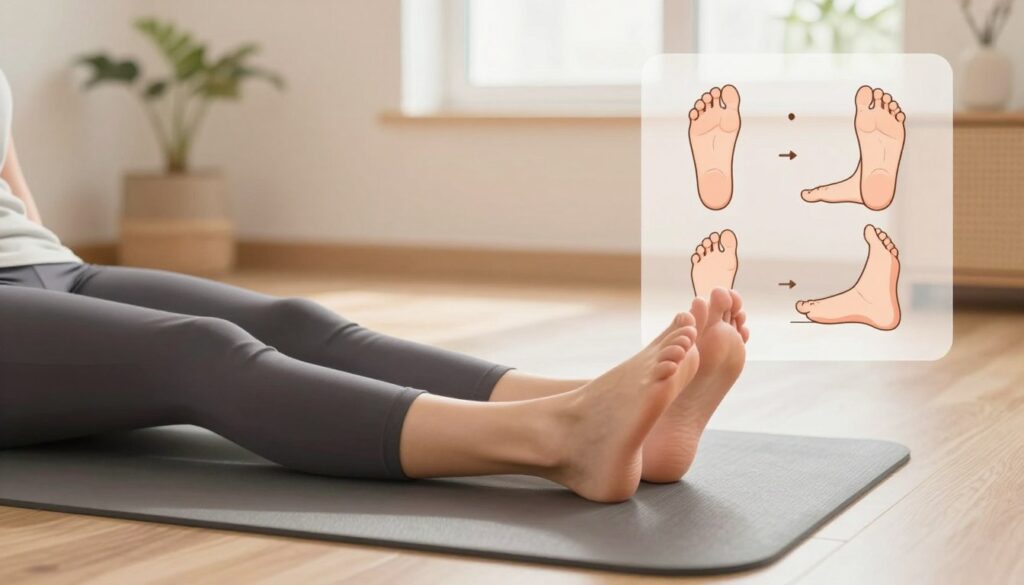
Toe spreading is another good exercise. Sit comfortably and lift your feet off the ground. Spread your toes as far apart as you can. Hold for a few seconds, then release. Do this several times.
Metatarsal Mobilization Techniques
Metatarsal mobilization can ease pressure on the metatarsals. You can try metatarsal doming exercises and pressure relief strategies.
Metatarsal Doming Exercises
To do a metatarsal doming exercise, sit with your feet flat on the floor. Try to lift the arch of your foot without moving your toes. This strengthens the muscles around the metatarsals.
Pressure Relief Strategies
Using metatarsal pads or orthotics can help spread out the pressure and ease pain. Getting advice from a professional can help find what works best for you.
Balance Exercises for Forefoot Pain
Balance exercises can make your feet more stable and reduce pain in the forefoot. Single-leg balance work and dynamic stability exercises are especially good.
Single-Leg Balance Work
Stand on one leg, holding onto something stable if you need to. Hold for 30 seconds to improve balance and stability.
Dynamic Stability Exercises
Exercises like single-leg squats or lunges can also improve foot stability and strength.
| Exercise | Benefit | Frequency |
|---|---|---|
| Individual Toe Exercises | Strengthens toe muscles | 3 times a week |
| Toe Spreading | Improves toe flexibility | Daily |
| Metatarsal Doming | Strengthens metatarsal muscles | 3 times a week |
Arch Support and Heel Pain Exercise Techniques
People with foot pain often find relief through exercises. These exercises strengthen the arch and ease heel pain. They are key to keeping the foot healthy and preventing more problems.
Exercises to Strengthen the Arch
Strengthening the arch is crucial for foot support. Two great exercises are the Short Foot Exercise and Arch Lifting Progressions.
Short Foot Exercise
The Short Foot Exercise shortens the foot by pulling the toes towards the heel. It strengthens the foot’s intrinsic muscles, improving arch support.
Arch Lifting Progressions
Arch Lifting Progressions increase the intensity of arch lifts. Start with small lifts and gradually increase them as the foot gets stronger.
Heel Pain Relief Stretches
Stretching is key for heel pain relief. Two helpful stretches are the Morning Stretching Routine and Achilles Tendon Stretches.
Morning Stretching Routine
Start the day with a gentle stretch to loosen the foot and calf. This can help reduce morning heel pain.
Achilles Tendon Stretches
Stretching the Achilles tendon can ease heel pain. Stand with feet shoulder-width apart and lean forward to stretch the back of your leg.
Self-Massage Techniques
Self-massage can relieve foot tension. Techniques include using tennis and golf balls, as well as foam rollers.
Using Tennis and Golf Balls
Rolling a tennis or golf ball under the foot can release tension in the plantar fascia and soft tissues.
Foam Roller Applications
Applying a foam roller to the foot and calf can reduce muscle tension and promote relaxation.
Footwear Considerations and Exercise Modifications
Footwear is key to making foot pain relief exercises work. The right shoes offer support and stability, boosting the benefits of these exercises.
How Proper Footwear Supports Exercise Effectiveness
Choosing the right shoes is vital for getting the most out of foot pain relief exercises. Shoes that support can fix biomechanical issues and lessen foot strain.
Features to Look for in Supportive Shoes
Look for adequate arch support, cushioning, and a comfortable fit in supportive shoes. These features help ease foot pain and make exercises more effective.
When to Consider Specialized Footwear
People with specific foot issues or severe pain might need specialized footwear. This includes shoes for certain foot types, like flat feet or plantar fasciitis.
Exercising with Orthotics or Inserts
Orthotics or inserts add support and stability during exercises. They’re great for those with foot abnormalities or who need extra arch support.
Types of Supportive Devices
There are many supportive devices, like custom orthotics and over-the-counter inserts. Each offers different support levels, tailored to individual needs.
Adapting Exercises When Using Support
Using orthotics or inserts might mean modifying exercises. You might need to change the intensity or type of exercises you do.
Barefoot Exercises vs. Supported Training
Barefoot exercises and supported training both have their pros and cons. Knowing these can help you create a well-rounded exercise plan.
Benefits and Limitations of Each Approach
Barefoot exercises strengthen foot muscles and improve balance. But they’re not for everyone, especially those with foot issues. Supported training offers stability and protection but might not work the foot muscles as well.
Creating a Balanced Program
A good exercise program mixes barefoot exercises and supported training. This way, you get the best of both worlds, avoiding their downsides.
Implementing a Sustainable Foot Exercise Routine
A good foot exercise program can really help your foot health. It’s important to make a routine that works well and you can stick to.
Creating a Realistic Exercise Schedule
It’s key to make a schedule that you can keep up with. You need to figure out how often and how long to do the exercises.
Frequency and Duration Recommendations
Start with 2-3 times a week and go up to 4-5 times as your muscles get stronger. Each workout should be about 10-15 minutes long.
Integrating Exercises Into Daily Life
Adding foot exercises to your daily routine, like while watching TV or at work, can help you stick to it.
Progressing Safely with Foot Exercises
It’s important to progress safely to avoid injuries. Pay attention to how your body reacts to the exercises.
Signs of Positive Response
Look for signs like less pain and better foot function. If pain gets worse, you might need to change your routine.
When to Modify or Advance
Change your routine based on how you’re doing and how you feel. Moving too fast can cause problems.
Combining Exercises with Other Pain Management Strategies
| Strategy | Description |
|---|---|
| Rest and Activity Modification | Avoiding activities that make foot pain worse and taking rest breaks. |
| Complementary Approaches | Using methods like massage, stretching, and the right shoes to go with your exercises. |
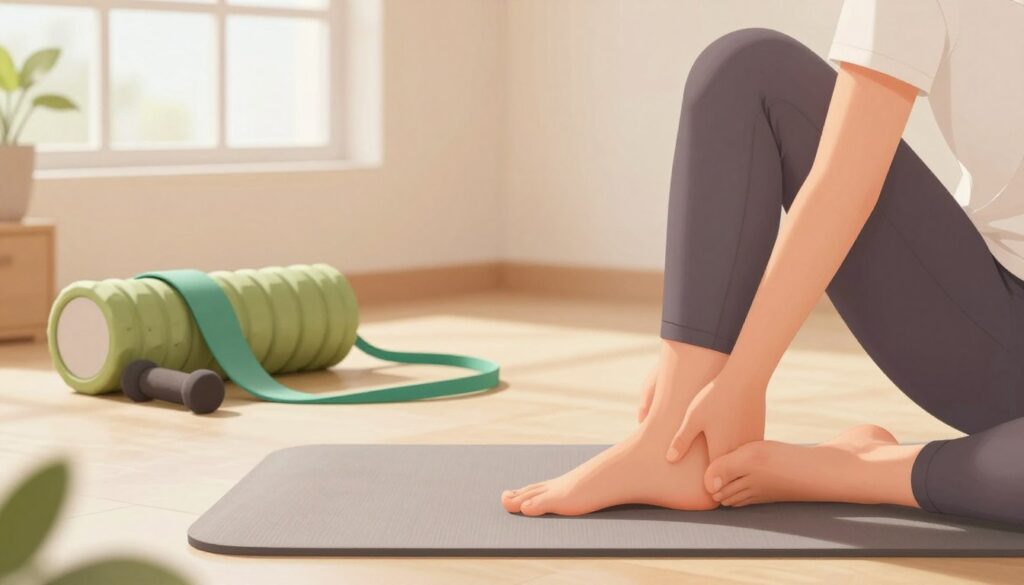
By mixing foot exercises with other pain management methods, you can improve your foot health and feel less pain.
Conclusion
Exercises are key to easing foot pain and boosting foot health. By adding stretching, strengthening, and mobility exercises to your routine, you can lessen discomfort. This improves your overall foot well-being.
Getting rid of foot pain is possible with the right exercises and shoes. Exercises like those for the plantar fascia, calf muscles, and foot arch help. They reduce pain and make your feet work better.
It’s important to start slowly and safely with foot exercises. This way, you avoid hurting yourself more. Adding exercises to other pain relief methods can make them work even better.
This info is for learning only and not medical advice. Always talk to a doctor for advice on foot pain.