
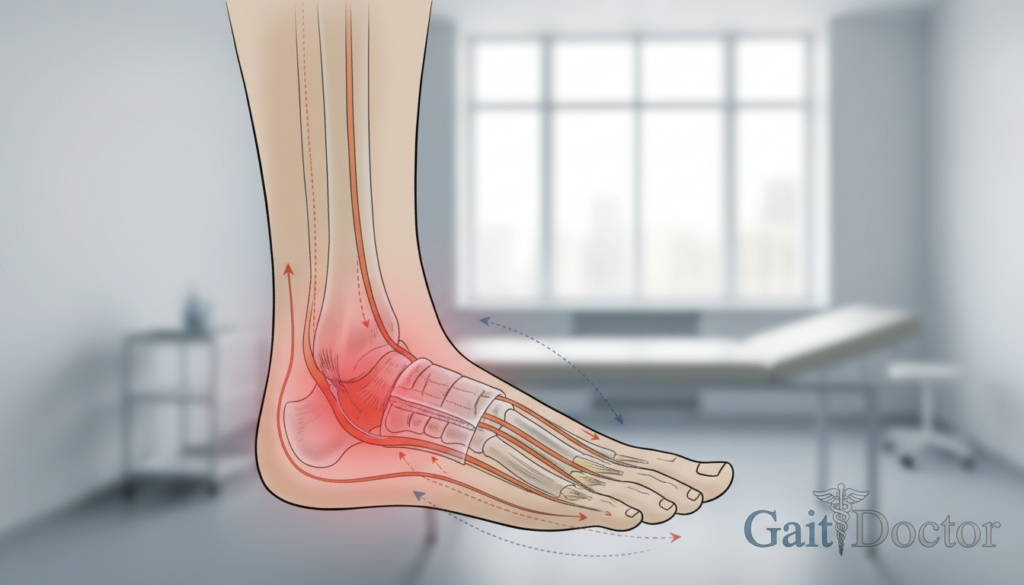
Tarsal tunnel syndrome is a condition that affects the tibial nerve. It causes pain, numbness, and tingling in the foot and ankle. Knowing the symptoms, causes, and treatment options is key to managing it well.
The tibial nerve can get compressed or damaged. This can make daily activities hard. Spotting the signs and fixing the cause can help ease the pain.
Key Takeaways
- Understanding the symptoms is crucial for diagnosis.
- Tarsal tunnel syndrome is often caused by nerve compression.
- Treatment options vary based on the severity of the condition.
- Effective management can alleviate pain and discomfort.
- Seeking medical attention is essential for proper treatment.
What Is Tarsal Tunnel Syndrome?
Tarsal tunnel syndrome happens when the tibial nerve gets squished in the tarsal tunnel. This tunnel is in the ankle. It can make your foot hurt, feel numb, or tingle.
Anatomy of the Tarsal Tunnel
The tarsal tunnel is a narrow space in the ankle. It has the tibial nerve, tendons, and blood vessels. The tibial nerve helps control the foot’s muscles and feeling.
When it gets squished, the foot doesn’t work right. This can cause many symptoms.
How Compression Affects the Tibial Nerve
Many things can make the tibial nerve get squished. These include injuries, swelling, or how the foot moves. When it’s squished, it can hurt, make the foot numb, or tingle.
In bad cases, it can weaken and shrink the foot’s muscles.
Tarsal tunnel syndrome often goes with other issues like flat feet or diabetes. Knowing why it happens helps find the right treatment.
Common Symptoms and Warning Signs
Tarsal Tunnel Syndrome has many symptoms that can really hurt your life. Knowing these symptoms helps find the problem early and treat it well.
Pain Characteristics and Patterns
The pain from Tarsal Tunnel Syndrome can feel sharp, shooting, or burning. It usually happens in the foot and ankle. Doing things that put more pressure on the tibial nerve can make it worse.
Sensory Disturbances
Sensory problems like numbness and tingling are common. These feelings can be in the foot and toes. They might be there all the time or come and go. These feelings can make it hard to do everyday things.
Motor Symptoms and Functional Changes
Motor symptoms include weak foot muscles. This can make walking or staying balanced hard. Long-term symptoms can change how you move and use your foot.
| Symptom Category | Description | Common Effects |
|---|---|---|
| Pain | Sharp, shooting | Exacerbated by activity |
| Sensory Disturbances | Numbness, tingling | Affects daily activities |
| Motor Symptoms | Weakness in foot muscles | Difficulty walking or balance |
Primary Causes of Tarsal Tunnel Syndrome
It’s important to know what causes tarsal tunnel syndrome. This condition happens when something presses or irritates the tibial nerve in the tarsal tunnel.
Causes of Tarsal Tunnel Syndrome
There are two main types of causes. Intrinsic causes are things like varicose veins, ganglion cysts, and tenosynovitis. These can press on the tibial nerve. Extrinsic causes are things outside the body that can also harm the nerve.
Systemic Conditions
Systemic conditions also play a big role. For example, diabetes can damage nerves, leading to tarsal tunnel syndrome. Other conditions like rheumatoid arthritis and hypothyroidism can also cause problems. They do this by causing inflammation or fluid buildup that presses on the nerve.
Doctors say managing these conditions is key. “Systemic conditions can greatly increase the risk of tarsal tunnel syndrome. It’s very important to take care of these conditions.”
Biomechanical Factors and Foot Mechanics
Abnormal biomechanics can lead to tarsal tunnel syndrome. This includes how we walk and our foot mechanics. These factors put pressure on the tibial nerve in the tarsal tunnel.
Gait Patterns and Their Influence
How we walk affects our foot and ankle. Bad walking patterns can put more stress on the tibial nerve. This makes tarsal tunnel syndrome worse.
People with overpronation or supination gait feel more nerve strain. This is because their foot mechanics are off.
Overpronation and Flat Feet
Overpronation and flat feet can cause tarsal tunnel syndrome. When the foot rolls too much, it stretches or presses the tibial nerve. This leads to pain.
To learn more, visit Gait Doctor.
Repetitive Stress Considerations
Repetitive stress injuries also play a role. Activities like running or jumping can raise the risk of tarsal tunnel syndrome. Changing these activities can help manage the condition.
By fixing biomechanical issues like gait patterns and overpronation, we can ease tarsal tunnel syndrome symptoms. A healthcare professional can help find the cause and create a treatment plan.
Diagnosing Tarsal Tunnel Syndrome
Healthcare experts use a mix of checks and tests to find tarsal tunnel syndrome. This way, they can give the right treatment.
Clinical Examination Techniques
Checking the feet is key to finding tarsal tunnel syndrome. Doctors use special tests like Tinel’s sign and the cuff test. These tests check for nerve problems.
Tinel’s sign taps the nerve to see if it hurts. The cuff test uses a blood pressure cuff to see if it causes pain. These tests show if nerves are squished.
Diagnostic Tests
Tests are important to confirm tarsal tunnel syndrome. There are two main tests: nerve tests and imaging.
Nerve Conduction Studies
Nerve tests check the tibial nerve’s electrical signals. They find out if nerves are squished or damaged. This helps doctors know if it’s tarsal tunnel syndrome.
Imaging Options
Imaging like MRI or ultrasound finds what’s causing the problem. They look for things like cysts or varicosities that press on the nerve.
| Diagnostic Test | Purpose |
|---|---|
| Nerve Conduction Studies (NCS) | Measures electrical activity of the tibial nerve to identify compression or damage |
| Magnetic Resonance Imaging (MRI) | Identifies structural causes of tarsal tunnel syndrome, such as ganglion cysts or varicosities |
| Ultrasound | Evaluates nerve compression and identifies masses or other abnormalities |
Doctors use tests and checks together to find tarsal tunnel syndrome. Then, they make a good treatment plan.
Similar Conditions and Differential Diagnosis
Getting the right diagnosis is key. Many foot and ankle problems look like tarsal tunnel syndrome. It’s important to tell them apart.
Conditions That Mimic Tarsal Tunnel Syndrome
Some issues can feel like tarsal tunnel syndrome. These include plantar fasciitis, nerve pain from diabetes, radiculopathy, and stress fractures.
- Plantar fasciitis
- Neuropathic pain due to diabetes
- Radiculopathy
- Stress fractures
Importance of Accurate Assessment
It’s crucial to figure out what’s really going on. A good check-up and tests can find the real cause of your symptoms.
| Condition | Characteristics | Differential Diagnostic Features |
|---|---|---|
| Tarsal Tunnel Syndrome | Pain, numbness, tingling in the foot | Compression of the tibial nerve |
| Plantar Fasciitis | Heel pain, mostly when you first step | Inflammation of the plantar fascia |
| Neuropathic Pain (Diabetes) | Numbness, burning pain | Linked to diabetes, nerve damage |

Conservative Management Approaches
Managing Tarsal Tunnel Syndrome involves many steps. These steps help ease symptoms and make life better. This method is often the first choice and can work well to lessen symptoms.
Rest and Activity Modification
Resting and changing how you do things is key. Stay away from things that make it worse. Resting the affected area and avoiding things that hurt can help a lot.
- Avoiding prolonged standing or walking
- Modifying exercise routines to reduce strain on the foot and ankle
- Using assistive devices to reduce stress on the tibial nerve
Orthotics and Supportive Devices
Orthotics and supportive devices are very important. They help spread out pressure and ease nerve compression. Proper footwear and orthotics support the arch and help with nerve issues.
Using these methods can really help people with Tarsal Tunnel Syndrome. It can make their life a lot better.
The Role of Biomechanical Assessment
Biomechanical assessment, like gait analysis, is key in checking tarsal tunnel syndrome. It shows how movements and stress might cause the problem.
How Gait Analysis Identifies Contributing Factors
Gait analysis is very important. It finds out what makes tarsal tunnel syndrome worse. It looks at how a person walks to see if it’s causing nerve pressure.
What a Comprehensive Assessment May Reveal
A full biomechanical check can show many things. It might find foot problems, muscle imbalances, and bad posture. Here’s what it might find:
| Assessment Finding | Potential Contribution to Tarsal Tunnel Syndrome |
|---|---|
| Overpronation or flat feet | Increased stress on the tibial nerve |
| Abnormal gait patterns | Altered biomechanics putting pressure on the nerve |
| Muscle imbalances | Altered foot and ankle mechanics |
Knowing these things helps doctors make better plans. They can treat the real causes of tarsal tunnel syndrome.
Orthotic Support Options
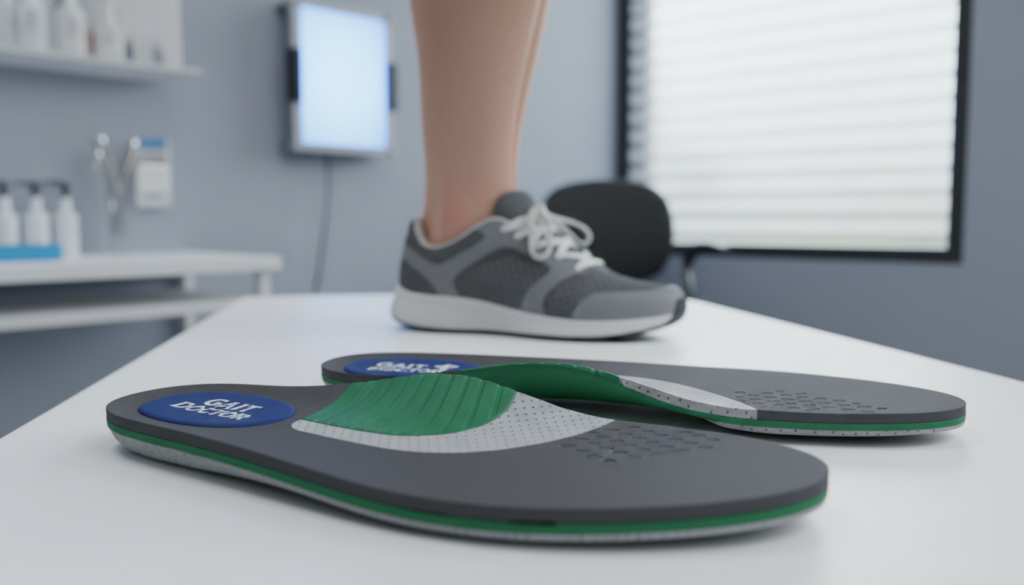
Orthotic devices are often used to treat tarsal tunnel syndrome. They help by reducing pressure on the tibial nerve. This can make symptoms better.
Types of Foot Orthotics
There are many types of foot orthotics. Custom orthotics fit your foot perfectly. Off-the-shelf orthotics are cheaper but still work well.
Custom vs. Off-the-Shelf Considerations
Choosing between custom and off-the-shelf orthotics is important. Custom ones fit better but cost more. Off-the-shelf ones are cheaper but not as custom.
What you choose depends on your condition and what you prefer. Knowing about different orthotics helps you make a good choice.
| Type of Orthotic | Description | Benefits |
|---|---|---|
| Custom Orthotics | Tailored to individual foot shape and needs | Personalized support, addresses complex foot issues |
| Off-the-Shelf Orthotics | Pre-fabricated, available in standard sizes | More affordable, still provides significant relief |
Self-Care Strategies and Prevention
To prevent tarsal tunnel syndrome, use self-care. These steps can lower your risk or ease symptoms if you have it.
Footwear Recommendations
Wear the right shoes. Shoes that fit well and support your feet help. Orthotic-friendly shoes or wide toe boxes are good choices.
Exercise and Stretching Routines
Do exercises and stretches to keep your feet and ankles flexible. Specific exercises like toe curls and heel raises help.
Lifestyle Modifications
Change your lifestyle to help prevent tarsal tunnel syndrome. Stay at a healthy weight, avoid bad activities, and rest your feet often.
| Self-Care Strategy | Benefit |
|---|---|
| Proper Footwear | Reduces pressure on the tibial nerve |
| Regular Exercise and Stretching | Maintains flexibility and strength |
| Lifestyle Modifications | Reduces risk factors and alleviates symptoms |
When to Consider Surgical Intervention
If other treatments don’t work, surgery might be needed for tarsal tunnel syndrome. This is usually for serious cases or when symptoms don’t go away.
Indications for Surgery
Surgery is suggested when the tibial nerve is very compressed. This can cause ongoing pain, numbness, or weakness. Diagnostic tests like EMG and NCS help figure out how bad the nerve compression is.
- Persistent pain despite conservative management
- Significant numbness or tingling
- Muscle weakness or atrophy
Common Surgical Procedures
The main goal of surgery is to take pressure off the tibial nerve. This can be done in a few ways:
- Tarsal tunnel release: This involves cutting the structures that press on the tibial nerve.
- Nerve decompression: This surgery removes anything that’s squishing the nerve.
For more info on tarsal tunnel syndrome, including symptoms and treatments, check out https://emergeortho.com/news/tarsal-tunnel-syndrome-symptoms-and-treatments/.
Recovery Expectations and Timeframes
How long it takes to recover from tarsal tunnel syndrome surgery varies. It depends on the surgery and the person. Generally, patients can expect:
| Recovery Stage | Timeframe | Expectations |
|---|---|---|
| Immediate Post-Surgery | 0-2 weeks | Pain management, rest, and immobilization |
| Early Recovery | 2-6 weeks | Gradual return to normal activities |
| Late Recovery | 6-12 weeks | Strengthening exercises, full recovery |
Following post-operative instructions carefully is key for the best recovery.
Conclusion
Tarsal tunnel syndrome is a complex condition. It needs a full approach to manage it. This includes both non-surgical and surgical methods.
Understanding the causes and symptoms is key. It helps in choosing the right treatment. There are many ways to manage it.
Getting a correct diagnosis is very important. Doctors use special tests and exams to find out what’s wrong. They make sure it’s not something else.
First, try non-surgical ways like resting and changing how you move. You might also need special shoes or supports. Sometimes, surgery is needed.
Managing tarsal tunnel syndrome in many ways helps a lot. It makes symptoms better and helps you move better. It also stops problems from getting worse.
Every person is different. So, their treatment plan should be made just for them. This way, they get the best care possible.