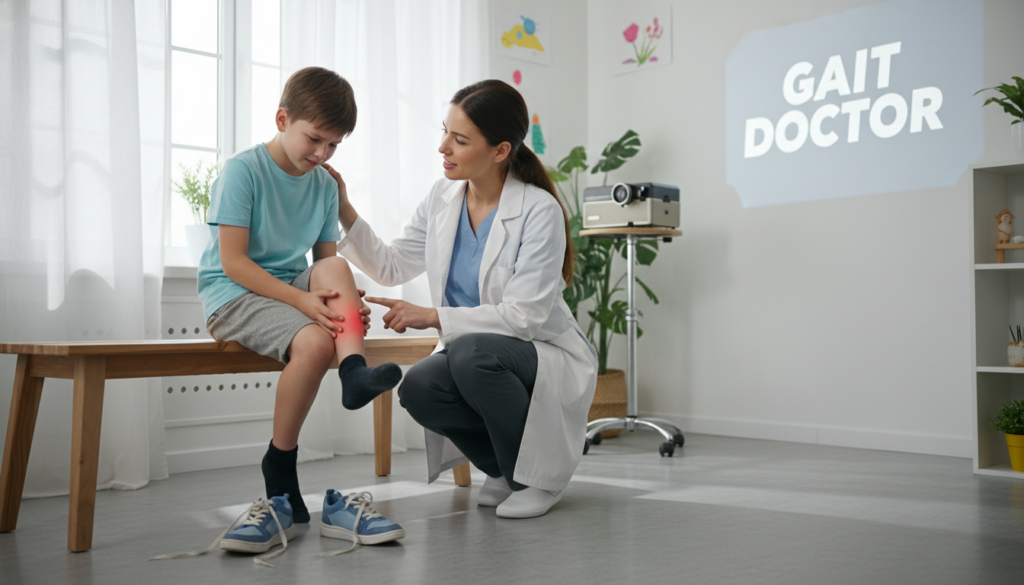
Sever’s disease is a common problem that causes heel pain in children. It happens a lot during growth spurts. It’s also called calcaneal apophysitis. This can be really tough for kids and worry parents a lot.
Heel pain in kids often comes from too much use or stress on the heel bone. It’s common in young athletes or kids who play sports that involve running or jumping. For more info on heel pain, like plantar fasciitis, check out our detailed guide.
Key Takeaways
- Sever’s disease is a common cause of heel pain in children.
- It is associated with growth spurts and overuse.
- Understanding the causes and symptoms is key to managing the condition.
- Effective management can help alleviate pain and prevent long-term issues.
- Consulting a specialist is recommended for proper diagnosis and treatment.
What Is Sever’s Disease in Kids?
Sever’s disease, also known as calcaneal apophysitis, is common in kids. It happens during their growth spurts. It causes inflammation of the growth plate in the heel, leading to pain and discomfort.
It’s often linked to heel pain in kids, mainly those who play sports. The condition is caused by inflammation of the calcaneal apophysis. This is where the Achilles tendon meets the heel bone.
Defining Calcaneal Apophysitis
Calcaneal apophysitis is inflammation of the growth plate in the heel bone (calcaneus). It happens when the growth plate gets too much stress. This stress is often from too much activity or overuse.
The growth plate is where new bone growth happens. When it gets inflamed, it can hurt a lot.
Recognizing the Symptoms
Sever’s disease has clear symptoms. Knowing them helps in giving the right care. Kids often feel pain in their heels.
Common Signs to Watch For
Look out for heel pain, swelling, redness, and stiffness. These signs show up after rest or when they’re active. The pain is usually in the heel and gets worse when they move or at the end of the day.
- Pain when the heel is squeezed or pressed
- Swelling or redness around the heel
- Limping or avoiding activities that aggravate the pain
When to Seek Professional Help
If your child has ongoing heel pain or limps, see a doctor. A doctor can figure out what’s wrong and help fix it.
| Symptom | Characteristic |
|---|---|
| Pain Location | Heel area |
| Pain Timing | After rest or activity |
| Visible Signs | Swelling, redness |
The Anatomy Behind Heel Pain
To understand Sever’s disease, we need to look at the foot’s anatomy. The growth plate and Achilles tendon are key. They help us see why heel pain happens.
Growth Plates and the Developing Foot
The growth plate is where bones grow. In kids, these plates are still growing. They can get hurt easily, leading to Sever’s disease.
The heel’s growth plate is where the Achilles tendon connects. This spot gets inflamed and sore, mainly when kids grow fast.
The Achilles Tendon Connection
The Achilles tendon links the calf muscles to the heel. It pulls on the growth plate, causing pain. Tight calf muscles stress the tendon and growth plate.
This stress leads to heel pain, a sign of Sever’s disease.
| Anatomical Feature | Function | Relation to Sever’s Disease |
|---|---|---|
| Growth Plate | Area of bone growth | Prone to inflammation and irritation |
| Achilles Tendon | Connects calf muscles to heel bone | Causes tension on the growth plate |
What Causes Sever’s Disease?
Sever’s disease has many causes. It involves growth and how much we move. Knowing these helps us manage it better.
Growth Spurts and Physical Development
When we grow fast, our bones, muscles, and tendons change a lot. In kids, the heel bone is still growing. The growth plate is sensitive to stress.
As kids grow, the Achilles tendon can get tight. This tightness puts more stress on the heel. It can cause inflammation and pain.
Sports and Physical Activity Factors
Playing sports, like running and jumping, can cause Sever’s disease. These activities put a lot of stress on the heel. Wearing the right shoes helps a lot.
Biomechanical Influences
How our feet move can also cause Sever’s disease. If our feet move wrong, it can hurt the heel. Fixing this is key to managing the disease.
Risk Factors That Increase Vulnerability
Sever’s disease is common in kids, mainly when they grow fast. Knowing what makes it happen helps prevent and manage it.
Age and Gender Considerations
Kids aged 8 to 15 are most at risk. Their bones, muscles, and tendons change a lot, making them more likely to get hurt. Boys are more likely to get it because they play sports more.
Sports Participation
Kids who play sports like soccer, basketball, and gymnastics are at higher risk. These sports make the heel bone hurt because of the running, jumping, and quick turns.
Foot Structure and Biomechanics
Foot problems like flat feet or high arches can lead to Sever’s disease. Also, issues like overpronation or supination can stress the heel, causing pain.
Knowing these risks helps parents and coaches protect kids. They can choose the right shoes, change training, and fix biomechanical problems.
Diagnosing Heel Pain in Children
Doctors use many steps to find out if a child has Sever’s disease. They look at the child’s medical history and do a physical check. They might also use imaging studies to make sure it’s not something else.
Physical Examination Process
The physical check is key in finding Sever’s disease. The doctor will look at the child’s heel and ankle. They check for tenderness, swelling, or redness.
- They press on the heel and ankle to find tender spots.
- They watch how the child walks and moves.
- They check how tight the Achilles tendon is.
Imaging and Other Diagnostic Tools
Even with a physical check, doctors might want to use imaging. This helps make sure it’s really Sever’s disease.
- X-rays show the bones.
- MRI or ultrasound look at soft tissues.
Conservative Management Approaches
Managing Sever’s disease needs a mix of strategies. These help ease symptoms, aid in healing, and stop more harm.
Rest and Activity Modification
Rest and activity modification are key. Avoiding activities that make it worse is important. This lets the heel heal and pain lessen.
Activity modification is vital early on. It stops more irritation.
Ice and Pain Management
Ice therapy helps with pain and swelling. It’s applied to the sore area. This reduces swelling and eases pain.
Pain management uses over-the-counter drugs. Always follow the dosage to stay safe. For more on pain management, see PMC.
Stretching and Strengthening Exercises
Stretching and strengthening exercises are crucial. Stretching improves flexibility and reduces tendon tension. Strengthening exercises make the foot and ankle stable.
A good exercise plan can prevent Sever’s disease. Calf stretches and toe raises are good examples.
Footwear Considerations for Young Athletes
Choosing the right shoes is key for young athletes with Sever’s Disease. Good shoes help by giving support and cushioning. This helps lessen heel stress.
Choosing Appropriate Athletic Shoes
Look for support, cushioning, and fit in athletic shoes. Shoes that are too tight or too loose can make things worse.
| Feature | Description | Importance |
|---|---|---|
| Support | Adequate arch and ankle support | High |
| Cushioning | Sufficient heel and forefoot cushioning | High |
| Fit | Comfortable, snug fit | High |
When to Replace Sports Footwear
It’s important to replace sports shoes often. Look for signs like worn-out soles, less cushioning, and upper material wear.
Understanding Gait and Movement Assessment
Healthcare experts look at how we walk to make treatment plans. They check how we move to find problems.
How Gait Analysis Works
They watch how we move, often with video. This helps spot any issues that cause heel pain.
What Biomechanical Assessment May Reveal
A biomechanical check can show foot problems. This is key to fixing Sever’s disease, not just treating symptoms.
Knowing how we move helps doctors give us the right help. They might suggest exercises or changes in shoes. This helps reduce pain and keeps our feet healthy.
Supportive Options to Consider
Young athletes with Sever’s disease can find relief with supportive options. These help manage heel pain and aid in recovery. It’s key to look at different options to ease heel pain and support healing.
Over-the-Counter Heel Cups and Inserts
Heel cups and inserts are easy to find. They help lessen heel stress and add cushioning.
Custom Orthotic Considerations
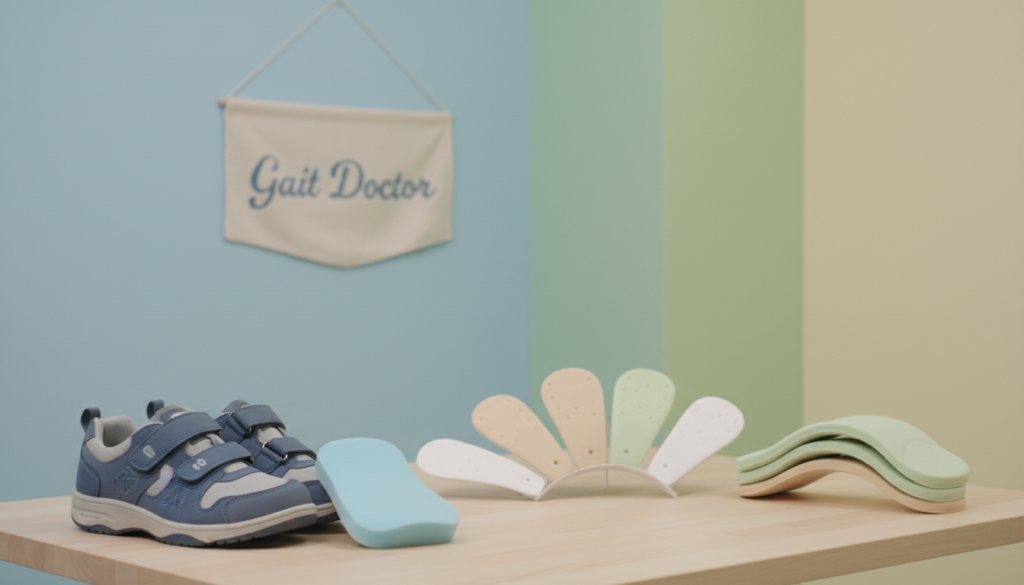
Some athletes might need custom orthotics. These are made just for them. They fix foot shape and biomechanical issues that cause the problem.
Individual Suitability and Assessment
Choosing the right support depends on each athlete. A doctor will look at their foot, how they walk, and what they need. This helps pick the best support.
Helping Your Child Cope Emotionally
Children with Sever’s disease need more than just physical help. The pain in their heels and the limits it puts on fun activities can really hurt their feelings.
Addressing Frustration and Disappointment
It’s key to listen to your child’s feelings of frustration and sadness. Sever’s disease can make them feel left out when they can’t join in sports or fun activities. Talking openly can make them feel heard and supported.
Maintaining Physical Activity in Modified Ways
Even though some activities are off-limits, there are still ways to stay active. Modified exercises or low-impact sports can keep them fit without making the pain worse. Swimming or cycling are good choices instead of high-impact sports.
By finding these alternatives and being there for your child, you can help them get through this tough time.
Conclusion: Supporting Your Child Through Recovery
Recovery from Sever’s disease is possible with the right help. As a parent, you play a big role in your child’s healing. This means following the treatment plan and teaching your child about rest, good shoes, and exercises.
Children with heel pain from Sever’s disease need a good recovery plan. Working with doctors is key to fix any biomechanical problems. For more on heel pain and issues like plantar fasciitis, talking to a specialist is helpful.
Supporting your child in their recovery helps them beat Sever’s disease. It also keeps them active and healthy.