
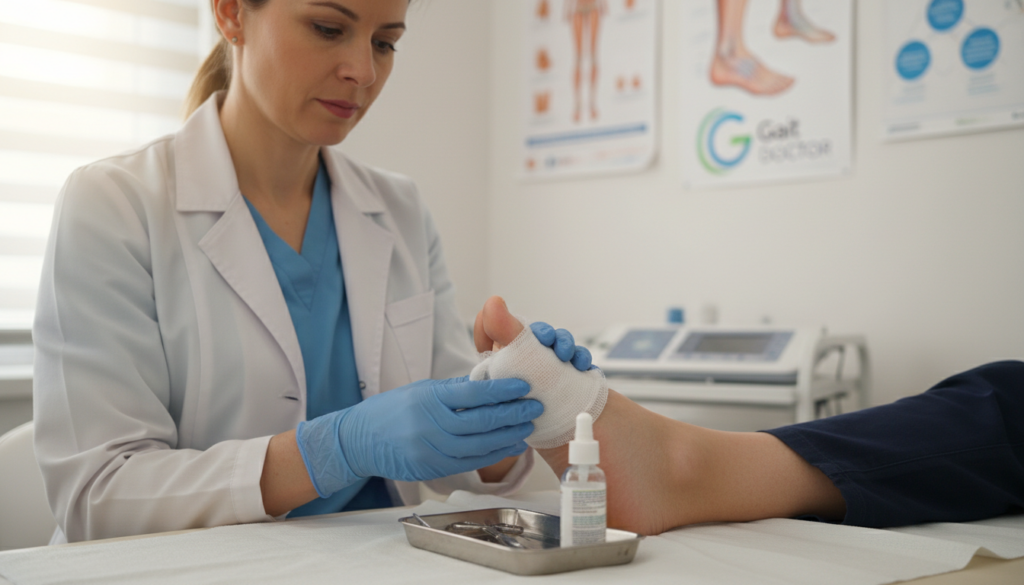
For people with diabetes, keeping their foot health in check is key. Diabetes can hurt nerves and cut off blood flow. This makes getting foot ulcers more likely. If not treated, these ulcers can turn into serious infections or even lead to amputations.
Good foot care is vital for managing diabetes. Simple actions can lower the chance of foot issues. This includes checking your feet every day, wearing comfy shoes, and keeping blood sugar in check.
Key Takeaways
- Daily foot inspections can help identify potential problems early.
- Proper footwear can reduce the risk of foot ulcers.
- Managing blood sugar levels is crucial for overall foot health.
- Regular check-ups with a healthcare provider can help prevent complications.
- Good foot hygiene is essential for individuals with diabetes.
Understanding Diabetes and Foot Health
It’s important to know how diabetes affects foot health. This knowledge helps prevent serious problems.
How Diabetes Affects the Feet
Diabetes can lead to neuropathy. This is nerve damage that makes feet lose feeling. It’s hard to feel injuries or irritations.
Also, diabetes can hurt circulation. This means less blood gets to the feet. Wounds then have a hard time healing.
The Importance of Foot Care for Diabetic Patients
Diabetic patients need to take care of their feet. They should check their feet every day for injuries or infections. Keeping feet clean and wearing the right shoes is also key.
Seeing a doctor regularly is important. It helps catch and treat foot problems early.
The Science Behind Diabetic Foot Complications
Diabetic foot problems come from many things. These include neuropathy, peripheral vascular disease, and immune system compromise. These issues make foot ulcers and other problems more likely in people with diabetes.
Neuropathy and Loss of Sensation
Neuropathy is nerve damage from diabetes. It makes feet lose feeling. This makes it hard to feel injuries or irritations. For more info on foot care, visit https://gaitdoctor.co.nz/understanding-and-resolving-plantar-fasciitis/.
Peripheral Vascular Disease
Peripheral vascular disease means blood vessels get narrow. This cuts off blood to the feet. Without enough blood, wounds can’t heal well, leading to infections and ulcers.
Immune System Compromise
Diabetes weakens the immune system. This makes it tough for the body to fight off infections. For foot health, even small injuries can turn into serious infections if not treated right.
Knowing about these factors helps prevent and manage diabetic foot problems. By tackling neuropathy, peripheral vascular disease, and immune system compromise, doctors can lower the risk of foot ulcers. This improves patient care.
Recognizing the Warning Signs of Foot Problems
Knowing the early signs of foot problems is very important. People with diabetes often face foot issues because of nerve damage and bad blood flow. Spotting these signs early can stop big problems later.
Early Symptoms to Watch For
Spotting problems early is key to keeping your feet healthy. Look out for these signs:
- Cuts or blisters that are slow to heal
- Redness or swelling
- Numbness or tingling sensations
- Cold or warm spots on the feet
These signs might mean there’s a bigger issue. Always check your feet every day. Tell your doctor if you notice anything odd.
| Symptom | Possible Cause | Action |
|---|---|---|
| Cuts or Blisters | Poor Circulation, Neuropathy | Seek medical attention if slow to heal |
| Redness or Swelling | Infection, Poor Circulation | Monitor closely, consult a doctor if worsening |
| Numbness or Tingling | Neuropathy | Discuss with your healthcare provider |
When to Seek Medical Attention
If you see these signs, get help right away:
- Severe pain or swelling
- Open sores or ulcers
- Fever or chills
- A foul odor from a wound
Quick medical help can stop big problems. Regular visits to your doctor are also key for foot health.
Common Diabetic Foot Conditions
It’s important to know about foot problems linked to diabetes. These issues come from nerve damage, bad blood flow, and a weak immune system.
Diabetic Foot Ulcers
Diabetic foot ulcers are big worries for people with diabetes. These sores on the foot happen because of nerve damage and bad blood flow. Quick treatment is key to stop infections and more problems.
- They usually show up on spots that get a lot of pressure, like the ball or heel of the foot
- They can be deep and have calloused skin around them
- They need special care and rest to heal
Charcot Foot
Charcot foot, or diabetic neuropathic arthropathy, is when foot bones get weak because of nerve damage. This can cause breaks and changes in the foot shape. Finding it early is very important to avoid big changes and disability.
- It often shows with redness, swelling, and warmth in the foot
- It can cause big changes in the foot if not treated right
- It might need to be kept still and sometimes surgery
Fungal Infections
Fungal infections are common in people with diabetes because their immune system is weak. These infections can happen between the toes or on the nails. They cause pain and can turn into serious infections if not treated.
- Athlete’s foot is a common fungal infection that makes toes itch and crack
- Fungal nail infections make nails thick and change color
- Keeping feet clean and using antifungal treatments is important
In short, diabetic foot ulcers, Charcot foot, and fungal infections are big worries for people with diabetes. Knowing about these and how to manage them is key to keeping feet healthy.
Preventing Diabetic Foot Ulcers: Essential Strategies
Preventing diabetic foot ulcers starts with regular foot checks and good hygiene. People with diabetes face a higher risk of foot problems. So, taking care of your feet is key.
Daily Foot Inspection Routine
Checking your feet every day is important. Look for cuts, blisters, redness, or swelling. A mirror can help you see the soles of your feet.
If bending is hard, ask someone to help. Or use a long-handled mirror.
Proper Hygiene Practices
Keeping your feet clean is vital to avoid infections. Wash them with mild soap and lukewarm water every day. Dry them well, paying extra attention between the toes.
Moisturize your feet, but not between the toes. This keeps the skin soft and healthy.
Moisture Management
Managing moisture is key to avoiding foot ulcers. Wear shoes and socks that breathe. Choose materials that draw moisture away from your skin.
Change your socks often, if they get wet. For sweaty feet, try an antifungal powder.
Learn more about foot care at our page on clinical exams.
The Role of Footwear in Diabetic Foot Health
Choosing the right shoes is key for people with diabetes. Proper footwear helps avoid foot problems. It lowers the chance of getting ulcers and other issues.

Selecting Appropriate Diabetic Shoes
When picking out diabetic shoes, think about comfort, support, and material. Diabetic shoes are made to be comfy and protect sensitive foot areas.
The Importance of Proper Fit
A good fit is crucial to avoid ulcers. Shoes that are too tight or too loose can hurt. Make sure shoes fit right and don’t squeeze.
When to Consider Specialized Footwear
Some people with diabetes might need specialized footwear. This includes shoes with extra room, custom orthotics, or special features. These help support and protect the feet.
Knowing how shoes affect diabetic foot health helps. Making smart choices can prevent problems and keep feet healthy.
Biomechanics and Pressure Points: Understanding Ulcer Formation
Biomechanics is key in foot ulcers, mainly in people with diabetes. The wrong pressure on the foot can hurt tissues and cause ulcers. Knowing how biomechanics leads to ulcers helps in preventing and treating them.
How Abnormal Pressure Distribution Leads to Ulcers
Many things can cause bad pressure on the foot. This includes abnormal gait patterns, poor footwear, and neurological disorders. When pressure hits hard on certain spots, it can damage tissues and cause ulcers. For example, a study in the National Institutes of Health showed that bad pressure is a big risk for foot ulcers in diabetics.
Common Biomechanical Risk Factors
Several biomechanical factors can lead to foot ulcers. These include:
- Abnormal gait patterns: Bad walking can put wrong pressure on the foot.
- Foot deformities: Things like hammertoes and bunions can put extra pressure.
- Poor footwear: Shoes that are too tight or don’t fit right can also cause pressure.
The Connection Between Gait and Foot Health
Gait analysis is very important for foot health. It helps find bad pressure patterns and how to avoid ulcers. For example, it might show bad pronation or supination. This can be fixed with custom orthotics or physical therapy.
| Biomechanical Risk Factor | Description | Potential Consequence |
|---|---|---|
| Abnormal Gait Patterns | Bad walking can put wrong pressure on the foot. | Foot ulcers |
| Foot Deformities | Things like hammertoes and bunions can put extra pressure. | Foot ulcers, pain |
| Poor Footwear | Shoes that are too tight or don’t fit right can cause pressure. | Foot ulcers, discomfort |
Professional Gait Analysis and Biomechanical Assessment
Gait analysis helps us understand how we move. It finds risks for foot problems in people with diabetes. By looking at how we walk, doctors can spot issues that might lead to ulcers.
What to Expect During an Assessment
A healthcare professional will watch how you walk. This might be on a treadmill or just walking. They use special tools to check things like how long your steps are and where the pressure is.
This test is usually easy and takes about 30 minutes. You might walk in your usual shoes or in special ones. This helps doctors see how different shoes affect your walk.
How Gait Analysis May Identify Risk Factors
Gait analysis finds risks for foot problems. It looks for uneven pressure, bad walking patterns, and when one side of the body moves differently. Finding these early helps doctors prevent ulcers.
For example, it might show where your feet get too much pressure. Doctors can then suggest special shoes or insoles. It also finds walking patterns that put too much stress on certain parts of the foot. This lets doctors find ways to change these patterns.
Interpreting Assessment Results
Doctors with special training look at the gait analysis results. They search for signs of risk for foot problems. This helps them make a plan to help your feet.
Based on what they find, doctors suggest treatments. This could be special shoes, insoles, or other things. These steps help keep your feet healthy and prevent serious problems.
Supportive Interventions and Management Options
Good foot care for diabetics needs many steps. These steps help stop problems and keep feet healthy.
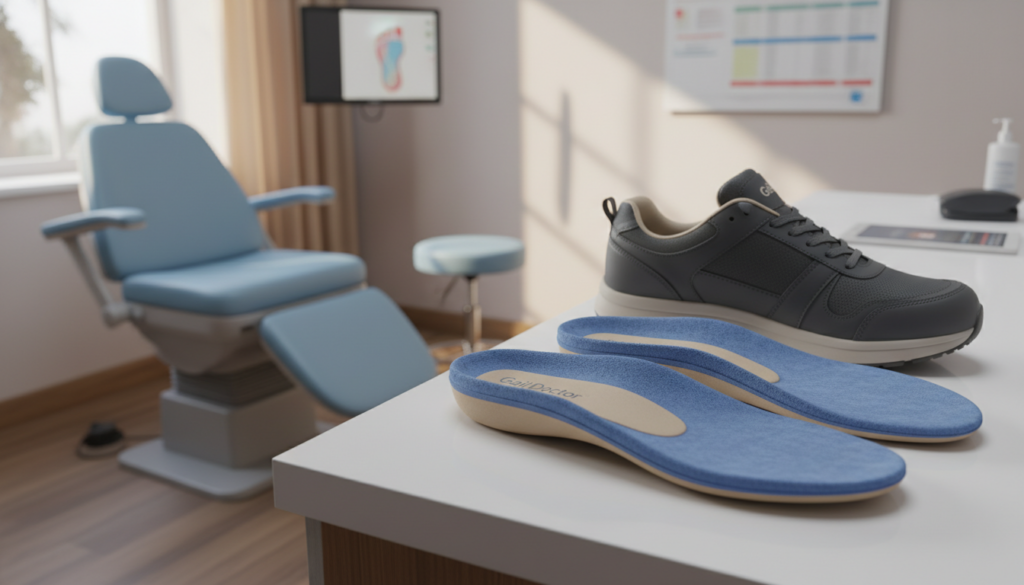
Custom Orthotics as a Support Option
Custom orthotics fit just right to support your feet. They help those at risk of foot ulcers.
Benefits of Customization
Orthotics made just for you fit better. They help with foot problems and make walking more comfortable.
Limitations and Considerations
Not everyone can use custom orthotics. Think about cost, comfort, and if you’ll need to change them often.
Alternative Support Methods
Other ways to support your feet include special shoes and padding. These help spread out pressure.
The Multidisciplinary Approach to Foot Care
Many experts are needed for good foot care. This team includes podiatrists and orthotists. They work together for the best care.
Conclusion: Taking Proactive Steps for Long-Term Foot Health
Managing diabetes is complex, but foot care is key. By taking proactive steps, you can lower the risk of foot problems.
Keeping blood sugar in check is important. Wearing the right shoes and checking your feet often helps too. These steps can stop foot ulcers and other issues. Working with doctors, podiatrists, and surgeons is also vital.
Knowing the risks of foot problems and taking steps to prevent them is crucial. Regular doctor visits and learning about foot care are important. They help keep your feet healthy and prevent ulcers.
Acting now can greatly improve life with diabetes. By focusing on foot health, you can avoid serious problems. This helps you stay independent and healthy.