
Long-distance running is tough. It needs proper foot care to do well and avoid problems.
Foot and ankle injuries are common in long-distance runners. It’s key to know how important foot protection is.
Runners can lower the chance of common foot injuries by being careful. This helps keep their performance up.
Key Takeaways
- Proper foot care is crucial for long-distance runners.
- Foot and ankle injuries are common among runners.
- Understanding foot protection measures can help prevent injuries.
- Proactive care can enhance running performance.
- Long-distance runners should prioritize foot health.
Understanding Common Foot Injuries in Runners
Long-distance running can hurt your feet. Almost three-quarters of people get foot problems at least once. It’s key for runners to know about these injuries.
Causes and Symptoms
Runners often get plantar fasciitis, Achilles tendonitis, and stress fractures. Plantar fasciitis hurts the heel and bottom of the foot. It’s from too much running or bad foot mechanics.
Achilles tendonitis is when the tendon gets inflamed. It’s from too much running. Stress fractures are tiny cracks in the bones. They happen from too much running or stress.
Pain, swelling, and not being able to move well are symptoms. Spotting these signs early helps manage and prevent more harm.
The Impact on Running Performance
Foot injuries can really hurt your running. They make you run slower, less far, and less well. For example, plantar fasciitis hurts while running. It can change how you run and cause more injuries.
Achilles tendonitis makes it hard to push off the ground. This affects your stride and how well you run.
| Injury | Causes | Symptoms | Impact on Performance |
|---|---|---|---|
| Plantar Fasciitis | Overuse, poor foot mechanics | Pain in heel and bottom of foot | Alters gait, potential for secondary injuries |
| Achilles Tendonitis | Repetitive strain | Pain, swelling, limited mobility | Limits push-off ability, affects stride |
| Stress Fractures | Repetitive impact or stress | Pain, swelling | Can cause significant pain, potentially ending running season |
Knowing about these foot injuries is key for runners. It helps keep their performance and foot health up. Spotting problems early lets runners take steps to prevent and manage them.
The Importance of Proper Footwear for Runners
Choosing the right running shoes is very important for runners. It affects their comfort and chance of getting hurt. Proper footwear gives the support and cushioning runners need while training.
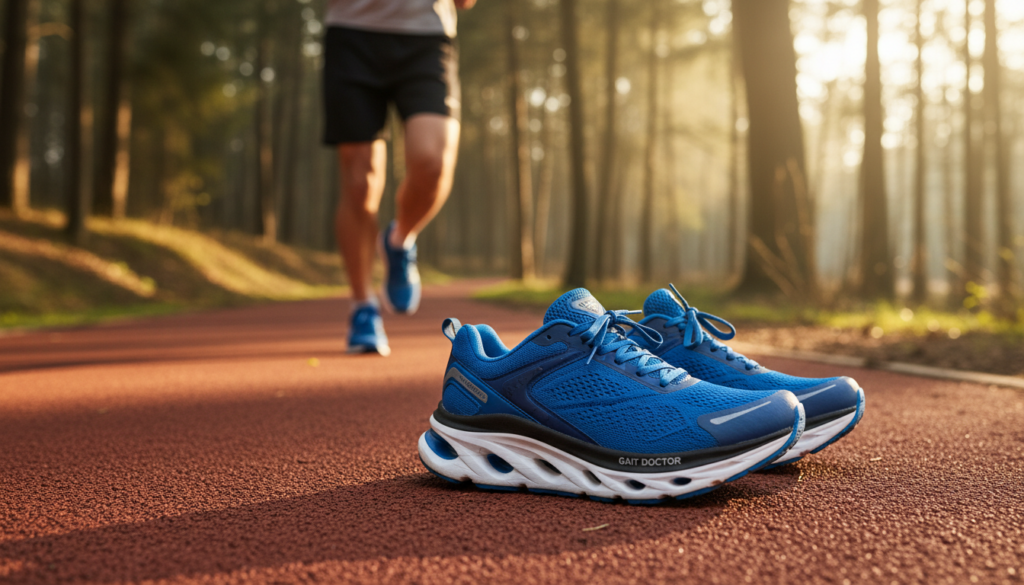
Wearing the wrong shoes can cause foot problems for runners. Inappropriate shoes can lead to blisters, plantar fasciitis, and stress fractures. So, it’s key to pick running shoes that fit your foot type and running style.
Choosing the Right Running Shoes
Many things to think about when picking the right running shoes. Consider your foot type, how you run, and where you run.
- For runners with flat feet, shoes with good arch support are recommended.
- Runners with high arches may benefit from shoes with more cushioning to absorb the impact.
- The terrain also dictates the type of shoe; for instance, trail running shoes are designed for off-road running and offer more grip.
The Role of Footwear in Preventing Injuries
Injury prevention is a big deal for runners, and proper footwear is key. The right running shoes offer support and cushioning. This can greatly lower the risk of common running injuries.
Runners who wear the right shoes are less likely to get shin splints, plantar fasciitis, and stress fractures. The right shoes also help runners perform better. They provide comfort and support, making runs more efficient and longer.
Training Approaches to Protect Your Feet
Runners need to train slowly and carefully to make their feet strong. It’s important to plan your runs well. This helps avoid too much stress on your feet.
Progressive Loading and Training Volume Management
Progressive loading means slowly making your runs harder. This lets your feet get used to the challenge. A study on PMC shows this helps prevent injuries.
It’s also key to manage how much you run each week. Don’t increase your weekly miles by more than 10% each week. This slow growth helps your feet stay healthy.
Strength and Mobility Exercises for Foot Health
Adding strength and mobility exercises to your routine is great for your feet. These exercises make your feet and ankles stronger. This helps prevent injuries.
- Toe curls and spreads to strengthen toe muscles
- Heel raises to improve ankle strength
- Ankle circles to enhance mobility
Also, doing mobility exercises like calf stretches keeps your feet flexible. A good training plan with these exercises makes your feet strong for long runs.
Early Warning Signs: When to Modify Your Training
Runners often feel tired during training. It’s key to know when it’s just tiredness or a sign of injury. Paying attention to your body can stop serious injuries.
Distinguishing Between Normal Discomfort and Injury
Feeling tired or sore is normal when you start new things. But, if you have sharp pains or swelling, it might be an injury. Knowing the difference helps you act fast.
The Importance of Listening to Your Body
Ignoring signs of trouble can lead to big injuries. These might need a lot of rest and healing. By listening, you can fix problems early and avoid more harm.
| Symptom | Normal Discomfort | Potential Injury |
|---|---|---|
| Pain Type | Dull ache or fatigue | Sharp or stabbing pain |
| Duration | Temporary, resolves with rest | Persists or worsens over time |
| Swelling or Inflammation | Minimal or none | Noticeable swelling or inflammation |
Knowing early signs and listening to your body helps. You can avoid injuries and keep training healthy.
Recovery Strategies for Foot Health
Good recovery strategies are key for foot health in long-distance runners. They help improve performance and lower injury risk. Proper foot care is crucial for runners to stay consistent and healthy.
Effective Self-Care Techniques for Runners
Self-care is important for runners. Using moisturizer daily keeps skin hydrated and prevents dryness. This stops cracks and other problems. Anti-chafing sticks also stop discomfort from friction during runs.
Adding stretching exercises to your routine helps. It makes muscles flexible and less tense. Stretching also boosts blood flow and lowers strain risk.
The Role of Rest and Active Recovery
Rest is vital for recovery, letting the body fix itself. Active recovery, like gentle yoga or light swimming, helps too. It boosts blood flow without stressing the feet too much.
It’s important to balance rest and active recovery. Runners should listen to their bodies and adjust their plans. This keeps them injury-free and performing well.
Injury Prevention for Runners: The Role of Supportive Devices
For long-distance runners, supportive devices are key to preventing injuries. They help improve performance too. Custom orthotics are popular among runners with foot issues.
When to Consider Custom Orthotics
Custom orthotics help even if you just have mild foot pain. If you’re feeling foot pain or ankle strain, think about custom orthotics.
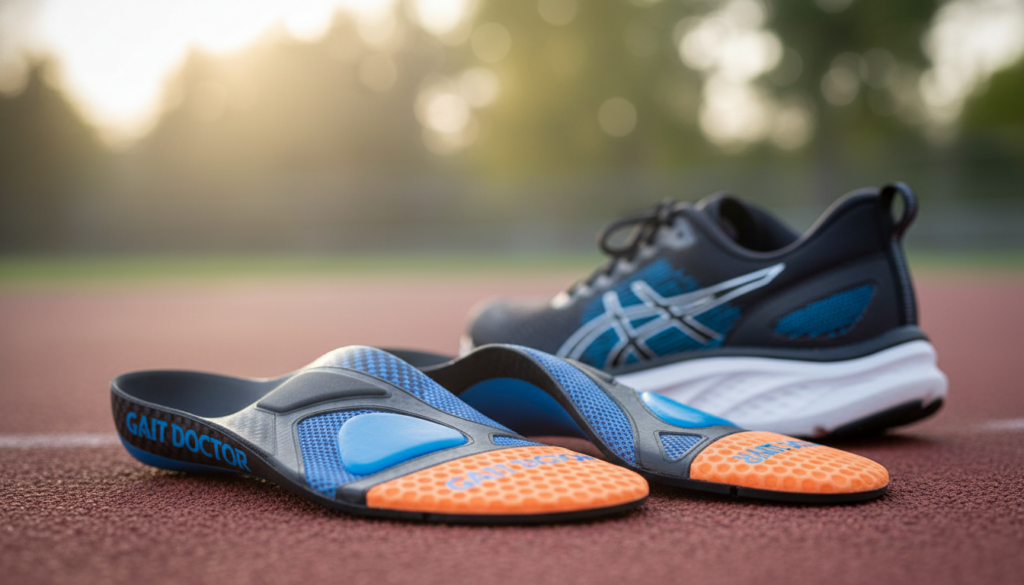
Choosing custom orthotics depends on your foot mechanics and running style. At Gait Doctor, we use gait analysis to find and fix issues. Our experts create personalized solutions for you.
The Assessment Process at Gait Doctor
We check your foot structure, gait, and running mechanics. This helps us spot problems and make a plan to fix them.
| Assessment Criteria | Description |
|---|---|
| Foot Structure | Evaluation of foot shape, arch height, and other factors |
| Gait Patterns | Analysis of walking and running gait to identify potential issues |
| Running Mechanics | Assessment of running technique and biomechanics |
Understanding supportive devices like custom orthotics helps runners prevent injuries. They keep your feet healthy. Whether you’re a marathon runner or just starting, good foot health boosts your performance and well-being.
Conclusion: Building Foot Resilience for the Long Run
Understanding and using good foot health strategies is key for long-term running success. We’ve looked at many ways to prevent injuries, from the right shoes to supportive devices.
Choosing the right running shoes is very important. Proper footwear can greatly lower the chance of foot injuries.
“The right shoe can make all the difference in a runner’s performance and injury risk.”
Training methods also play a big role in keeping feet healthy. It’s important to gradually increase running and manage how much you train.
| Strategy | Description | Benefit |
|---|---|---|
| Progressive Loading | Gradually increase running distance and intensity | Reduces risk of overuse injuries |
| Training Volume Management | Balance running with rest and cross-training | Allows for recovery and adaptation |
Recovery strategies are also key for foot health. Self-care like stretching and foam rolling can help prevent injuries.
In conclusion, to build foot resilience for long-term running, you need a full plan. This includes the right shoes, training, recovery, and support. By using these strategies, runners can have a healthier and more lasting running journey.
References
For more info on keeping runners safe, check out these resources. They talk about the right shoes, training, and how to recover.
Our article used trusted sources and studies on running injuries. These can help you learn how to protect your feet and run better.
Looking for more on foot health and running? Check out running groups and sports medicine sites. They have tips on shoes, training, and recovery.