
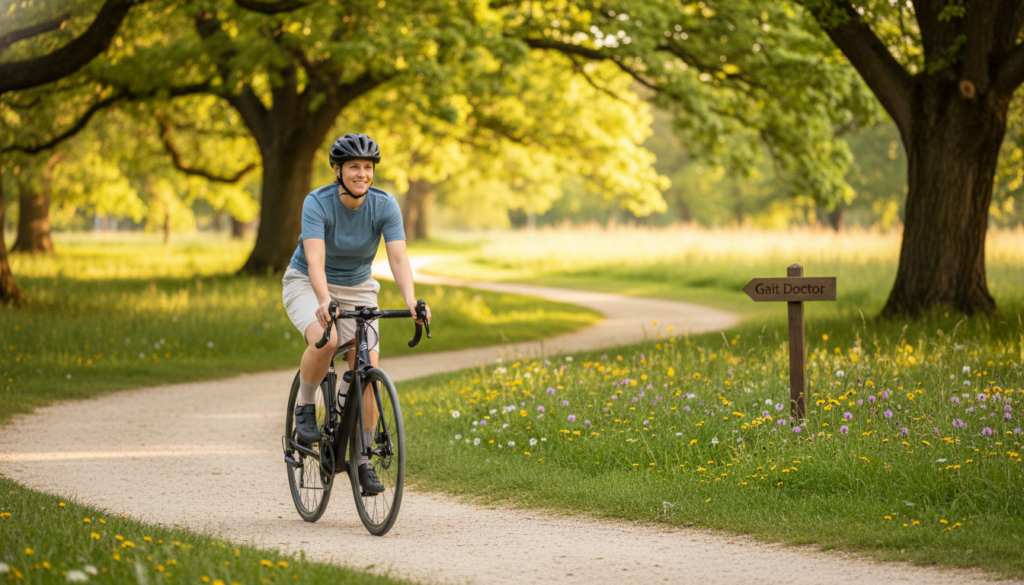
Cycling is fun and good for you. But, it can make your feet feel weird. Foot numbness happens for many reasons, like nerve compression and equipment problems. Knowing why it happens helps cyclists ride better.
Getting a good bike fit stops foot numbness. By fixing the problems, cyclists can feel better. This makes riding more fun.
Key Takeaways
- Foot numbness is a common issue among cyclists.
- Proper bike fit is crucial to prevent foot numbness.
- Understanding the causes is key to alleviating the issue.
- Cyclists can take steps to enhance their cycling comfort.
- A comfortable riding experience is essential for enjoying cycling.
The Phenomenon of Cycling-Related Foot Numbness
Cycling can make your feet feel numb. This happens to riders of all levels. It’s caused by many things, like too much pressure, bad shoes, and how your body moves.
What Cyclists Experience When Numbness Occurs
Cyclists say they feel a tingling sensation or like their feet are “falling asleep.” It’s not fun and can mess with their ride.
Prevalence Among Different Types of Cyclists
Feet numbness is common among recreational and competitive cyclists. The reasons and how it feels differ. Knowing this helps fix the problem better.
Recreational Riders vs. Competitive Cyclists
Recreational riders might get numb feet because they ride less and their bikes don’t fit right. Competitive cyclists get numb feet from intense training and high expectations.
Distance and Duration Factors
The distance and duration of rides matter too. Longer rides increase numbness risk. This is because feet are under pressure for a long time, causing discomfort and nerve problems.
Understanding Numb Feet While Cycling: The Physiological Basis
Cyclists often feel numb feet. This is due to nerve compression and blood flow restriction. We will explore why this happens.
Nerve Compression
Nerve compression is a big reason for numbness in cyclists. When nerves get squished, they don’t work right. This causes numbness or tingling.
Metatarsal Compression
Metatarsal compression happens when the metatarsal bones get pressed. This presses nerves between them. Cyclists often feel this because of the foot pressure while riding.
Peripheral Nerve Entrapment
Peripheral nerve entrapment is when nerves get pinched. This is often because of too much pressure or bad bike setup. It makes feet feel numb and sore.
Blood Flow Restriction and Its Effects
Blood flow restriction also causes numb feet in cyclists. When blood flow is cut off, tissues don’t get enough oxygen and nutrients. This leads to numbness and pain.
The Foot’s Response to Prolonged Pressure
The foot reacts to long-term pressure in many ways. It involves mechanical, neural, and vascular factors. If not fixed, it can cause lasting numbness and pain.
Knowing these reasons helps cyclists fight numbness. They can make cycling more comfortable.
Bike Fit and Equipment-Related Causes of Numb Feet
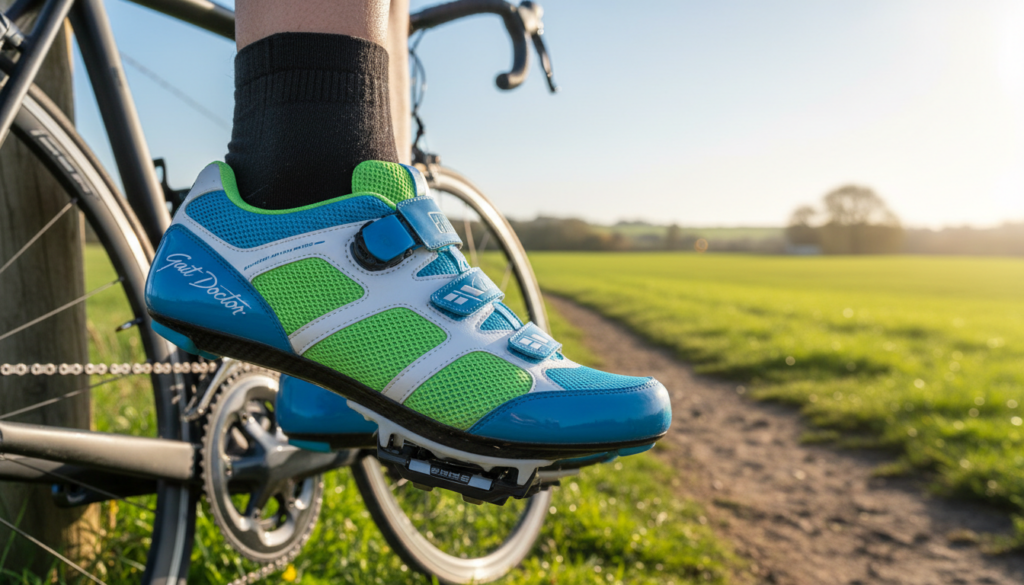
A good bike fit is key for comfy cycling. The right shoes, cleat spot, and pedal size matter a lot. They help you ride better and feel less numb.
Cycling Shoe Design and Fit Issues
Cycling shoes help you pedal well. But bad design or a bad fit can make your feet feel weird.
Toe Box Width and Pressure Distribution
The toe box’s width is very important. If it’s too tight, it presses on your toes. If it’s too loose, your foot slides and feels bad.
| Toe Box Width | Pressure Distribution | Comfort Level |
|---|---|---|
| Narrow | High pressure on toes | Low |
| Wide | Foot slides around | Low |
| Optimal | Even pressure distribution | High |
Closure Systems and Hotspots
The way your shoes close can cause problems. If it’s too tight, it hurts. If it’s too loose, your foot moves too much.
Cleat Positioning and Its Impact
Where your cleats sit is very important. Wrong placement can hurt and make you ride worse.
Proper cleat positioning keeps your foot right on the pedal. This reduces foot and ankle pressure.
Pedal Platform Size and Contact Points
The size of your pedals matters too. A bigger platform supports your foot better. A smaller one can press on your foot.
Pedal platform size affects how pressure spreads on your foot.
Riding Habits That May Trigger Foot Numbness
Knowing how you ride is important to avoid foot numbness. Your pedaling, cadence, and bike position affect your foot comfort.
Pedaling Technique Analysis
A pedaling technique that’s not right can put uneven pressure on your feet. If you pedal hard or push down too much, some parts of your foot may feel more pressure.
Cadence and Its Relationship to Foot Pressure
Cadence, or how fast you pedal, affects your foot comfort. Pedaling too slow can make your feet feel numb because of the extra pressure.
Positioning on the Bike
Your bike position is very important. This includes saddle height and fore/aft position, as well as handlebar reach.
Saddle Height and Fore/Aft Position
A saddle that’s too high or low can make pedaling uncomfortable. Also, a saddle too far forward or backward can change how you sit and where your weight is.
Handlebar Reach and Its Effect on Weight Distribution
The distance between the saddle and handlebars affects how your weight is spread on the bike. If the handlebar is too far, you might lean forward. This can put more pressure on your feet and hands.
By looking at and changing these habits, riders can lower their chance of foot numbness. This makes riding better for everyone.
Environmental Factors Affecting Foot Comfort During Cycling
Cycling can make your feet feel different because of the weather. Knowing how to handle this is key to feeling good and riding well.
Temperature Considerations
How warm or cold it is outside really matters for your feet while cycling.
Cold Weather Adaptations
In the cold, wear insulated cycling shoes and toe warmers. Changing how you pedal can also help keep your feet warm.
Heat Management Strategies
When it’s hot, choose breathable shoes and moisture-wicking socks. Drinking water is also important to stay cool.
Terrain Variables and Their Impact
The type of road or trail you ride on can hurt your feet. It might make you change how you ride. For tips on foot issues, check out Understanding and Resolving Plantar Fasciitis.
Elevation Changes and Pedaling Dynamics
Going up or down hills means you need to adjust your pedaling dynamics. This helps keep your feet comfortable.
Immediate Strategies to Address Numb Feet While Cycling
When numb feet happen while cycling, you can make quick changes. These adjustments help you feel better and keep riding.
On-the-Bike Adjustments
Making changes to your bike position is easy. Position shifts can help spread out the pressure and stop numbness.
Position Shifts and Temporary Relief Methods
Try moving your weight or pedal position to ease pressure. Standing up or changing your foot’s spot can help.
Brief Stops and Recovery Techniques
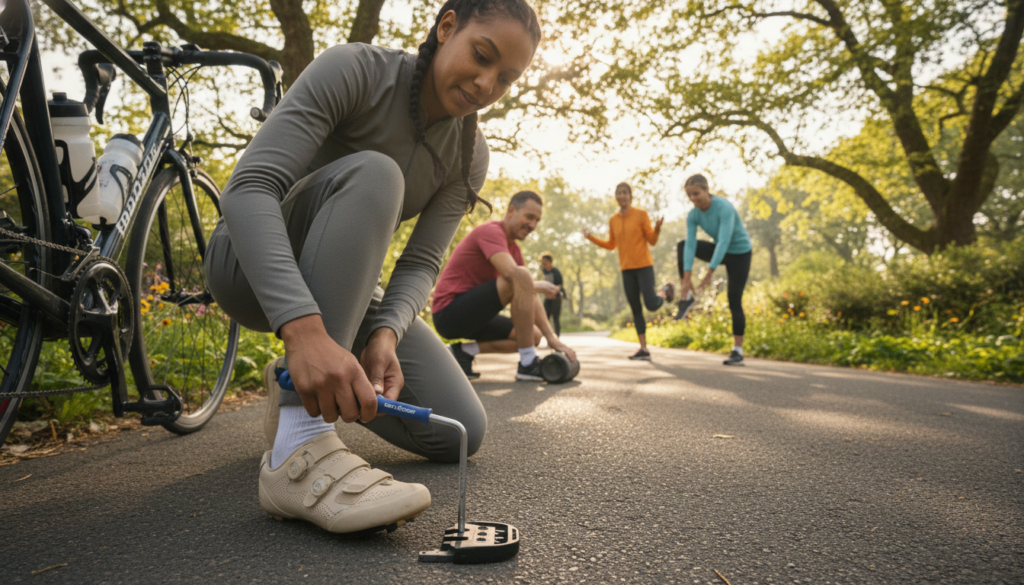
For bad numbness, stopping for a bit helps. Stretch your feet and legs, shake them, or massage your toes. This brings blood flow back and eases numbness.
Recognizing When Symptoms Require Immediate Attention
Some numbness is okay, but not all. Know when numbness is a big deal and needs a doctor.
Differentiating Between Normal Discomfort and Concerning Symptoms
Pay attention to how your body feels while cycling. Watch for any weird or lasting symptoms. If numbness doesn’t go away or hurts, see a doctor.
Long-Term Solutions for Preventing Cycling Foot Numbness
To stop foot numbness while cycling, you need a few things. First, get a bike fit from a pro. Then, pick the right shoes and do foot exercises. These steps help you ride better and feel good.
Professional Bike Fitting Benefits
Getting a bike fit is key to avoiding foot numbness. It makes sure your bike fits you right. This reduces pressure on your feet and legs.
- Proper saddle height and position can reduce strain on the feet and legs.
- Cleat alignment is critical to prevent unnecessary pressure on the feet.
- Handlebar height affects the rider’s posture and can influence foot comfort.
Footwear Selection Guidelines
Choosing the right shoes is very important. Here are some tips:
Features to Look For in Cycling Shoes
- Stiffness: A stiffer shoe can improve pedaling efficiency.
- Fit: Ensure a snug fit without being too tight.
- Breathability: Good ventilation can enhance comfort during long rides.
Aftermarket Insole Options
Aftermarket insoles can add comfort and support. They come in different materials and can be made just for you.
| Insole Type | Benefits |
|---|---|
| Gel Insoles | Provide cushioning and shock absorption. |
| Orthotic Insoles | Support arch and foot alignment. |
| Custom Insoles | Tailored to the individual’s foot shape. |
Foot Strengthening and Mobility Exercises
Strengthening your foot muscles and improving mobility can help. Simple exercises like toe curls and spreads are good.
“Regular foot exercises can enhance circulation and reduce the risk of numbness.”
The Role of Biomechanical Assessment in Addressing Cycling Foot Issues
Biomechanical assessment is key in finding and fixing cycling foot problems. It looks at how a person moves to find the cause of pain or numbness.
How Gait Analysis Reveals Movement Patterns
Gait analysis shows how a person moves. It checks how someone walks or runs to find biomechanical issues. These issues can cause foot problems while cycling.
Connecting Walking Mechanics to Cycling Mechanics
Walking and cycling mechanics are closely linked. Problems like overpronation or supination in walking can also affect cycling.
What to Expect During a Professional Assessment
A professional biomechanical assessment is a detailed check of how you move.
Gait Doctor’s Approach to Cyclist Evaluation
A gait specialist will look at your cycling gait. They search for any biomechanical problems.
Custom Orthotic Considerations as a Support Option
Custom orthotics can help with cycling foot issues. They offer support and fix biomechanical imbalances. This can make you feel better.
Conclusion: Balancing Comfort and Performance for Healthy Cycling
Finding the right mix of comfort and performance is key for a great cycling ride. Bike fit, how you ride, and the weather all affect your feet’s comfort.
Knowing why your feet might feel numb helps you fix the problem. You can make quick changes while riding or get a bike fit from a pro. Choosing the right shoes is also important.
Getting a biomechanical check can show you how to move better. This helps you ride better and feel more comfortable. Comfort and performance together make cycling healthier and more fun.
Cycling is a great way to stay active and feel good. By focusing on comfort and doing well, you can enjoy cycling more and stay healthy.
## FAQ
### Q: What is the most common cause of foot numbness while cycling?
A: Foot numbness while cycling often comes from nerve compression. This can happen if your bike doesn’t fit right, your shoes are wrong, or your riding habits are bad.
### Q: How does bike fit affect foot numbness?
A: A bad bike fit can put pressure on nerves and cut off blood flow to your feet. This can make your feet numb.
### Q: Can cycling shoes contribute to foot numbness?
A: Yes, shoes that are too tight, too loose, or not made right can make your feet numb. They can press on nerves or block blood flow.
### Q: How can I adjust my pedaling technique to reduce foot numbness?
A: To avoid numb feet, pedal smoothly and keep a steady pace. Don’t press too hard on the pedals.
### Q: What is the role of cleat positioning in foot numbness?
A: Where you place your cleats is key. Wrong placement can put pressure on nerves and cause numbness. Make sure cleats let your feet sit naturally.
### Q: How does terrain affect foot comfort during cycling?
A: The terrain you ride on can really affect your feet. Rough or bumpy paths can put more pressure on your feet and make them numb.
### Q: Can temperature affect foot numbness while cycling?
A: Yes, very cold or very hot weather can make your feet numb. Cold can make blood vessels narrow and cut off blood flow.
### Q: What are some immediate strategies to address numb feet while cycling?
A: To fix numb feet right away, try changing your bike position, stretch often, and make adjustments while riding to ease pressure.
### Q: How can I prevent foot numbness in the long term?
A: To avoid numb feet long-term, get a professional bike fit, pick the right shoes, and do exercises to strengthen and move your feet.
### Q: What is the role of biomechanical assessment in addressing cycling foot issues?
A: A biomechanical assessment, like gait analysis, can spot movement problems that might be causing numbness. This lets you fix the issue with specific steps.