
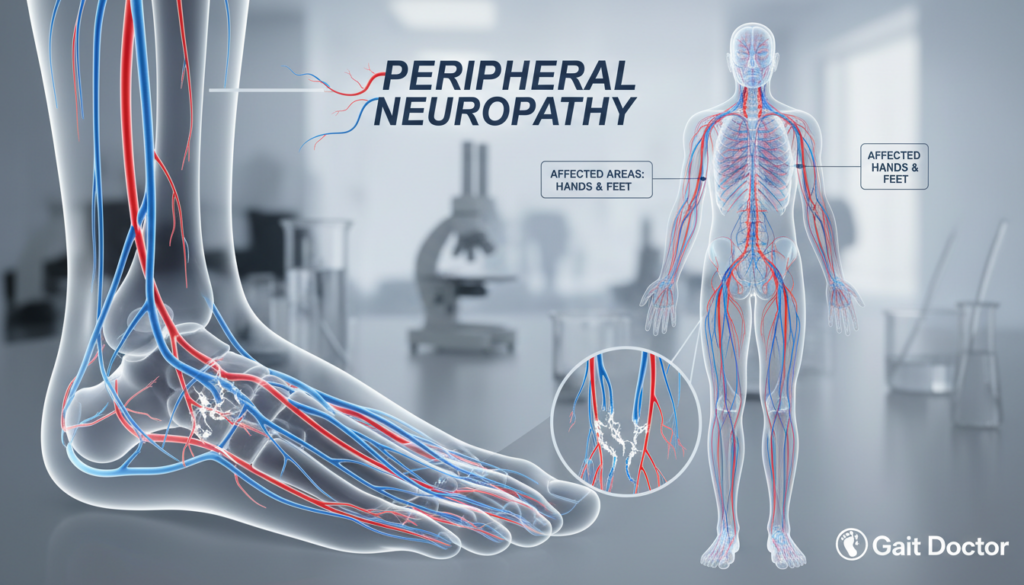
Nerve damage can cause numbness, pain, and weakness in hands and feet. Peripheral neuropathy happens when nerves outside the brain and spinal cord get damaged. This disrupts communication between the brain and the rest of the body.
This condition can come from diabetes, injury, or infection. Knowing the causes and symptoms is key to managing it well and finding relief from pain.
Key Takeaways
- Peripheral neuropathy is a condition characterized by damage to the peripheral nerves.
- Symptoms include numbness, pain, and weakness in the hands and feet.
- Various factors contribute to the development of peripheral neuropathy.
- Effective management involves understanding the underlying causes and symptoms.
- Relief from discomfort is a key aspect of managing the condition.
Understanding Peripheral Neuropathy
To get what peripheral neuropathy is, we need to know about the peripheral nervous system. This system is a big network. It sends messages from the brain and spinal cord to the rest of our body.
What is Peripheral Neuropathy?
Peripheral neuropathy happens when the peripheral nerves get damaged. This damage can come from diabetes, infections, or injuries. It causes numbness, pain, and weakness in certain areas. For more info, check out Cleveland Clinic’s page.
How the Peripheral Nervous System Works
The peripheral nervous system is a big network. It sends messages from the brain and spinal cord to the rest of our body. It helps us move, feel things, and do things automatically like beating our heart and digesting food.
Prevalence and Impact in New Zealand
Peripheral neuropathy is common in New Zealand. Diabetes, which is a big risk factor, is also common here. It can really affect our lives, making it hard to move around and be independent.
| Condition | Prevalence in New Zealand | Impact on Peripheral Neuropathy |
|---|---|---|
| Diabetes | High | Increases risk significantly |
| Autoimmune Disorders | Moderate | Can cause peripheral neuropathy |
| Infections | Variable | Can lead to peripheral neuropathy |
A healthcare expert says, “Knowing how common and why peripheral neuropathy is is key to managing it.” This shows why we need to keep learning and spreading the word about it.
Common Causes of Peripheral Neuropathy
Peripheral neuropathy is a complex condition. It can come from many factors. Knowing these causes helps manage it better.
Diabetes and Metabolic Conditions
Diabetes is the top cause of peripheral neuropathy in the U.S. About two-thirds of people with diabetes face nerve problems. Diabetes-related neuropathy can cause a lot of pain and disability if not managed well.
Autoimmune Disorders
Autoimmune disorders happen when the body attacks itself. Conditions like rheumatoid arthritis and lupus can cause peripheral neuropathy. Autoimmune-related neuropathy is hard to diagnose and treat, needing a detailed approach.
Infections and Inflammatory Conditions
Certain infections, like Lyme disease, can cause peripheral neuropathy. So can inflammatory conditions like CIDP. It’s key to understand these causes for effective treatment.
Medications and Toxins
Some medicines, like those in chemotherapy, can cause nerve damage. Toxins, like heavy metals, can also be a cause. It’s important to manage these cases well for patient care.
Traumatic Injuries
Traumatic injuries, from accidents or surgery, can lead to peripheral neuropathy. Nerve damage from trauma can cause chronic pain. This needs proper medical care.
Recognizing the Symptoms of Peripheral Neuropathy
Peripheral neuropathy shows different symptoms based on the nerves involved. It can cause many kinds of problems, like feeling numb, weak, or having trouble with digestion. It’s important to know how it can affect you.
Sensory Symptoms
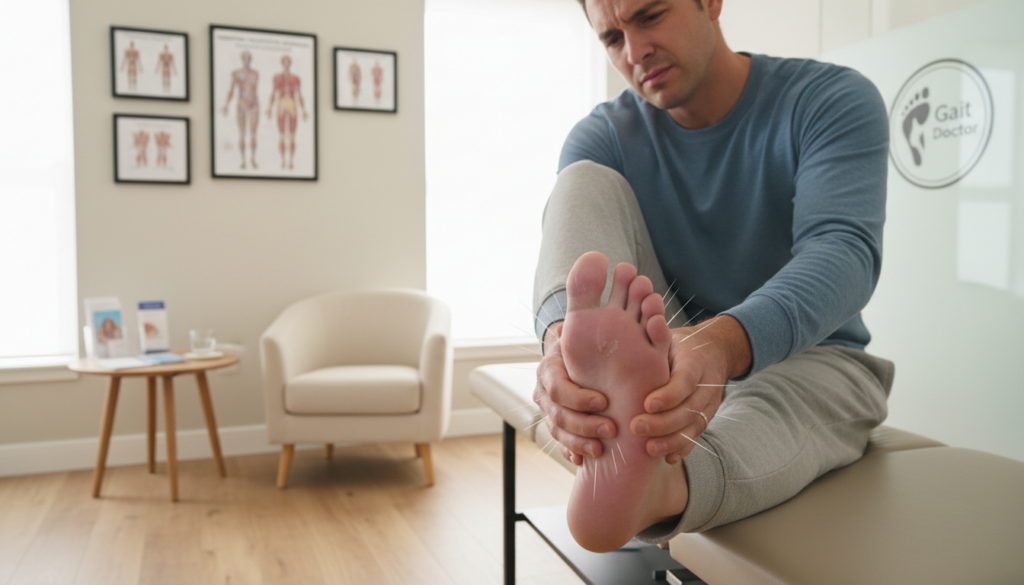
Sensory symptoms often start first. You might feel numbness, tingling, or pain. These feelings can make daily tasks hard. Numbness and tingling feel like pins and needles.
Motor Symptoms
Motor symptoms can make muscles weak and waste away. This can make it hard to move and do everyday things. Muscle weakness can also mess with balance and how well you can coordinate.
Autonomic Symptoms
Autonomic symptoms affect things you don’t control, like your heart rate and digestion. You might feel dizzy, nauseous, or have bowel problems.
Progression Patterns
How fast symptoms get worse can vary a lot. Some people might notice changes slowly, while others might see them quickly. Knowing how it progresses helps in managing it better.
| Symptom Category | Common Symptoms |
|---|---|
| Sensory | Numbness, tingling, pain |
| Motor | Muscle weakness, wasting |
| Autonomic | Dizziness, nausea, changes in bowel habits |
How Peripheral Neuropathy Affects Gait and Movement
Peripheral neuropathy changes how we move and balance. It affects the nerves that control our movement and balance. This can make walking harder and increase the chance of falling.
Balance and Proprioception Changes
Peripheral neuropathy messes with our balance and how we sense our body’s position. Proprioception helps us stay balanced. Damage to these nerves makes us feel unstable.
This is a big problem in New Zealand. Outdoor activities are common. Keeping balance is key to avoid falls.
Altered Walking Patterns
Peripheral neuropathy changes how we walk. Damage to nerves can cause weakness, pain, or numbness in our feet and legs. This makes us change how we walk.
This new way of walking might not be as good. It can be less efficient and harder on our bodies. For more info, visit Rehab Solutions PT.
Increased Fall Risk
Balance issues and changes in walking increase the risk of falls. Falls can cause serious injuries, mainly in older adults. The fear of falling can also make us less active.
Impact on Daily Activities
Peripheral neuropathy affects our daily life. Simple tasks like walking or climbing stairs become hard. This can make our life less enjoyable and make us rely on others more.
Diagnosis and Medical Assessment
Doctors use many steps to find out if you have peripheral neuropathy. They do a full check-up and use special tools. This helps them know what’s causing your problem and how to fix it.
Clinical Evaluation Process
The first step is talking about your health history. Doctors want to know about your symptoms and past health. They also check your muscles, reflexes, and how you feel things.
Diagnostic Tests
Tests are key to figuring out if you have peripheral neuropathy. These tests might include:
- Electromyography (EMG) to check muscle work
- Nerve conduction studies (NCS) to see how nerves work
- Blood tests to find out if you have diabetes or lack vitamins
| Diagnostic Test | Purpose |
|---|---|
| Electromyography (EMG) | Checks muscle work and finds muscle damage |
| Nerve Conduction Studies (NCS) | Looks at nerve work and finds nerve damage |
| Blood Tests | Finds problems like diabetes or vitamin lack |
Differential Diagnosis
Doctors also look at other possible problems. They want to make sure it’s not something else. They do tests to rule out other issues.
When to Seek Medical Help
If you feel numb, tingly, or have pain in your hands and feet, see a doctor. Getting help early can make a big difference.
Conventional Approaches to Peripheral Neuropathy Relief
There are many ways to feel better from peripheral neuropathy. Doctors and physical therapy can help. Finding the right treatment is key to feeling better.
Medical Management Options
Doctors use medicines to help with peripheral neuropathy. These include pain relievers and drugs for seizures. They also use antidepressants to help with pain.
Physical Therapy Approaches
Physical therapy is very important for peripheral neuropathy. It helps with moving better, staying balanced, and getting stronger. Physical therapists make special plans for each person to help them move better and avoid falls.
Pain Management Strategies
Managing pain is a big part of treating peripheral neuropathy. Doctors use many ways to help with pain. This includes medicines, physical therapy, and things like acupuncture. Using many ways together can help a lot.
Limitations of Standard Treatments
Even though doctors and physical therapy help, they might not work for everyone. Some people might not get better or might have bad side effects. Then, other treatments might be tried to help more.
Gait Doctor is different because they look at how you move and walk. They help with peripheral neuropathy by fixing how you move. This can make you feel better and live better.
Self-Care Strategies for Managing Symptoms
Self-care is key in handling peripheral neuropathy symptoms. Adding self-care to your daily routine can help manage your condition. It can also make your life better.
Lifestyle Modifications
Changing your lifestyle can really help with peripheral neuropathy. Eating a healthy diet and exercising often are good starts. Stay away from alcohol and tobacco too. These steps can ease symptoms and maybe slow the disease.
Nutrition and Supplementation Considerations
Eating right is vital for those with peripheral neuropathy. Foods with vitamin B12 and omega-3 fatty acids are good for nerves. Always talk to a doctor before taking supplements.
Exercise and Movement Practices
Exercise is great for managing symptoms. It boosts blood flow and makes muscles stronger. Try walking, swimming, and cycling. Also, do exercises that help with balance and flexibility.
Stress Management Techniques
Stress can make symptoms worse. Using stress management techniques like meditation, deep breathing, and yoga can help. These methods also improve your overall health.
Remember, self-care is not a replacement for medical treatment. Doctors might suggest orthotics or other aids. What works for you might not work for others. Always get advice from a healthcare expert.
Biomechanical Factors in Peripheral Neuropathy
Peripheral neuropathy symptoms can be affected by how our feet work and where pressure falls. Knowing this helps us find better ways to manage symptoms.
How Foot Mechanics Influence Symptoms
Our foot mechanics are key to our lower limb’s health. Problems like overpronation or supination cause uneven pressure. This can make neuropathy symptoms worse. Getting our foot mechanics right is part of treating it.
The Role of Pressure Distribution
How pressure spreads across our feet is also important. High pressure spots can hurt nerves and make symptoms worse. Custom orthotics can help by easing these pressure points. They are made to fit each person’s needs after a check-up.
Compensatory Movement Patterns
People with neuropathy might move differently to avoid pain. These changes might help short-term but can cause more problems. Physical therapy can fix these patterns. It helps move better and lowers the chance of more issues.
Importance of Proper Footwear
Wearing the right shoes is key for managing neuropathy. Shoes that fit well and support can lessen pressure on sore spots.
“The right footwear can make a significant difference in the management of peripheral neuropathy symptoms.”
Special shoes or orthotics might be suggested after a check-up.
Understanding and fixing biomechanical issues helps those with neuropathy. This might include the right shoes, orthotics, and physical therapy. Each plan is made for the person’s specific needs.
Gait Doctor’s Approach to Peripheral Neuropathy Relief
At Gait Doctor, we do a deep check to help with peripheral neuropathy. We look at how you walk and find what makes your symptoms worse.
The Biomechanical Assessment Process
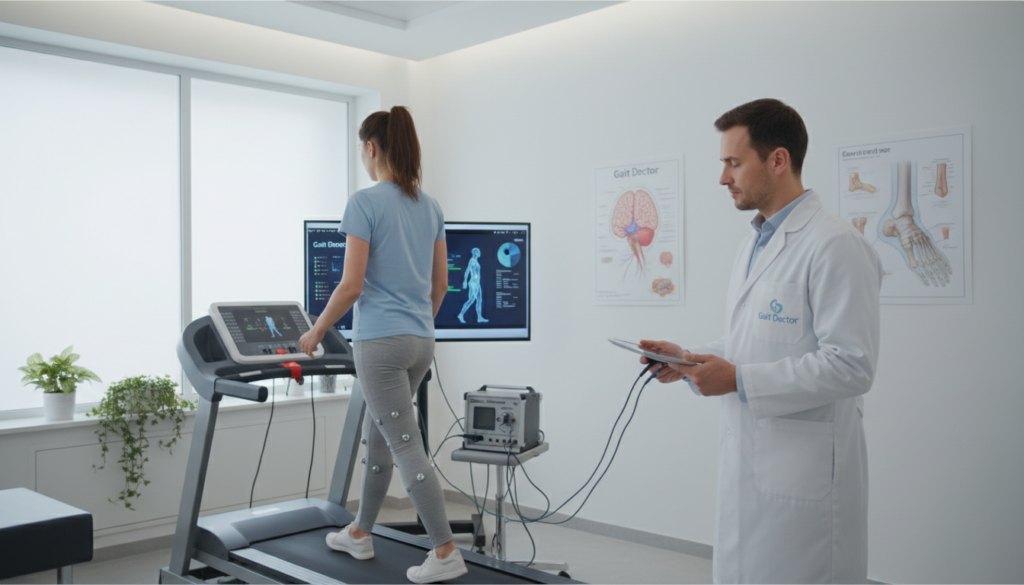
We study how you walk and the forces on your feet and legs. This helps us find any problems that might be causing your symptoms.
Gait analysis is key. It shows us how your movements affect your nerves.
Identifying Movement Pattern Contributors
We find out what movements make your symptoms worse. We look at foot mechanics, pressure distribution, and compensatory movement patterns.
- Bad foot mechanics can put too much pressure on nerves.
- Compensatory movements can make things worse because of pain.
Custom Orthotic Considerations
We often suggest custom orthotics to help. They’re based on what we find during the check-up.
How Custom Orthotics Differ from Over-the-Counter Options
Custom orthotics fit your foot and walking style perfectly. They give better support and spread out pressure.
Potential Benefits for Symptom Management
Custom orthotics can ease your symptoms. They reduce nerve pressure and improve how you walk.
- Less pressure on sensitive areas.
- Better balance and stability.
Limitations and Realistic Expectations
Custom orthotics are very helpful, but don’t expect miracles. They’re part of a bigger plan to manage your condition.
Complementary Support Strategies in New Zealand
We also suggest other ways to help, like lifestyle changes and physical therapy. These can make your treatment even better.
By using all these methods, you can manage your symptoms better and live a fuller life.
Conclusion: A Comprehensive Approach to Managing Peripheral Neuropathy
Managing peripheral neuropathy well needs a big plan. This plan includes many ways to feel better and live better. It uses medicine, changing how we live, and special tests.
Working with doctors helps make a plan just for you. This plan might include pain relief and physical therapy. Eating right, taking supplements, and managing stress also help a lot.
Special places like Gait Doctor help understand how feet and pressure affect symptoms. Knowing this can lead to better treatments, like custom shoes and orthotics.
Using a big plan to manage peripheral neuropathy helps you feel better. It makes it easier to do daily things with more confidence.