Knowing how our feet work is key to staying healthy and avoiding injuries. A biomechanical assessment checks how our feet and ankles move. It finds problems that might cause pain or discomfort.
Many people suffer from foot pain because of how their feet move. Doctors can give specific advice to help. This advice can make our feet healthier and improve our overall well-being.
Key Takeaways
- Biomechanical assessments evaluate foot and ankle function during movement.
- Poor foot biomechanics can lead to pain and discomfort.
- A biomechanical assessment helps identify underlying issues.
- Personalized recommendations can improve foot health.
- Understanding foot function is crucial for overall health.
Understanding Foot Biomechanics
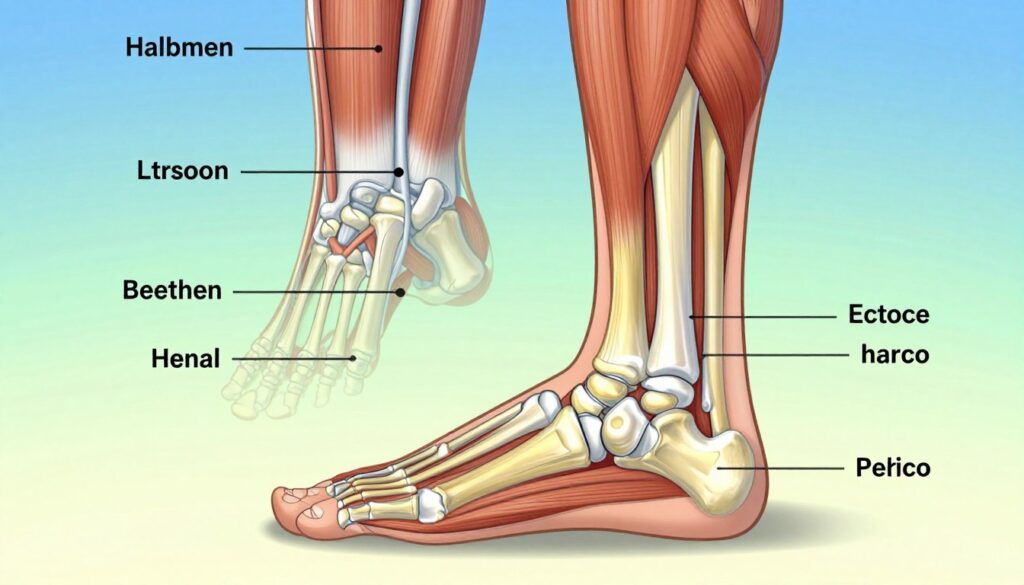
Foot biomechanics studies how the foot works and affects movement. The foot has 26 bones, 33 joints, and many muscles and tendons. This setup lets us move in many ways, from walking to sports.
The Complex Structure of the Foot
The foot is divided into three parts: the forefoot, midfoot, and hindfoot. The forefoot has the toes and metatarsal bones. The midfoot has the cuneiform, cuboid, and navicular bones. The hindfoot includes the calcaneus and talus bones. Knowing the foot’s parts helps us understand its biomechanics.
How Biomechanics Affects Overall Movement
The foot’s biomechanics greatly affects how we move. Problems with the foot can lead to pain in the ankles, knees, and back. For example, overpronation or supination can cause lower limb alignment issues. A study on the National Center for Biotechnology Information (NCBI) website shows how foot biomechanics is key in movement analysis.
The Connection Between Foot Function and Body Alignment
Foot function is tied to body alignment. How the foot hits the ground affects the whole lower limb. Good foot biomechanics keeps the body aligned right, preventing many muscle and joint problems. Podiatrists focus on fixing foot, ankle, and leg issues, showing how important foot function is for body alignment.
| Foot Section | Bones | Function |
|---|---|---|
| Forefoot | Toes, Metatarsals | Balance, Propulsion |
| Midfoot | Cuneiform, Cuboid, Navicular | Shock Absorption, Stability |
| Hindfoot | Calcaneus, Talus | Support, Movement |
The Biomechanical Foot Assessment Explained
A biomechanical foot assessment is a detailed check-up. It looks at how the foot and ankle move and are structured. This is key to finding out what might be causing pain or mobility problems.
Definition and Purpose
This assessment focuses on how the foot works during activities like walking or running. It helps healthcare pros find and fix issues. The foot’s structure and movement are closely examined to spot problems.
A top podiatrist says, “A detailed biomechanical assessment can uncover hidden issues. This lets us target treatments to better foot function and mobility.”
When This Assessment May Be Beneficial
It’s good for those with ongoing foot pain, athletes wanting to improve, and people with certain health issues. It finds the main cause of problems, like injuries or structural issues.
- People with ongoing foot pain or discomfort
- Athletes aiming to boost performance or fix injuries
- Those with health issues like diabetes or arthritis
Types of Practitioners Who Perform These Assessments
Experts like podiatrists and physiotherapists with foot biomechanics knowledge do these assessments. They’re trained to give detailed checks and create effective plans.
| Practitioner Type | Specialization |
|---|---|
| Podiatrists | Foot and ankle disorders, biomechanics |
| Physiotherapists | Movement analysis, rehabilitation |
Knowing about biomechanical foot assessments helps people tackle foot issues. It’s a step towards better mobility.
The Comprehensive Assessment Process
Understanding foot biomechanics needs a detailed approach. This process includes several steps to fully understand how a person’s foot works.
Initial Consultation and Medical History
The first step is an initial consultation. Here, the practitioner collects important medical history. This helps spot any past injuries or conditions that might affect the foot now.
The practitioner will also ask about symptoms, lifestyle, and activities. This helps them understand the foot’s health better.
Static Assessment Techniques
Next, the practitioner uses static assessment techniques. These check the foot’s structure and function when still. They look at alignment, movement, and muscle strength for any issues.

Dynamic Gait Analysis
Then, there’s dynamic gait analysis. This looks at how the foot moves when walking or running. It uses video or motion capture tech to see the foot’s strike and movement patterns.
Advanced Technology in Foot Assessments
Advanced technology is key in foot assessments today. Tools like video gait analysis and pressure mapping give detailed insights. They help spot issues not seen by the eye alone, leading to better treatments.
This detailed process is vital for fixing foot problems. It combines initial talks, static and dynamic checks, and modern tech. This way, practitioners can really understand the foot’s mechanics and plan effective treatments.
- Initial consultation and medical history gathering
- Static assessment techniques to evaluate foot structure and function
- Dynamic gait analysis to assess foot movement during activity
- Use of advanced technology, such as video gait analysis and pressure mapping
By using this thorough process, practitioners can give accurate diagnoses and treatments. This leads to better foot function and overall health.
Common Foot Issues Identified Through Assessment
The biomechanical foot assessment is a key tool for spotting foot problems. It looks at how the foot works. This helps doctors find out what’s causing pain or discomfort.
Structural Abnormalities
Structural abnormalities mean the foot’s shape is not normal. Issues like flat feet or high arches can cause problems. These can lead to pain and more serious issues if not treated.
A study on the National Center for Biotechnology Information website shows how important foot biomechanics are. It talks about how they relate to different foot conditions.
Functional Movement Patterns
Functional movement patterns are how the foot moves during activities. Issues like abnormal gait or overpronation can be found through this assessment. These problems can make it hard to move comfortably.
Compensatory Mechanisms
Compensatory mechanisms happen when the body tries to adapt to foot problems. While it might feel better for a while, it can cause more harm. It can strain other parts of the body.
How These Issues May Affect Daily Activities
Foot problems can make everyday tasks hard. Even simple things like walking or standing can be tough. A biomechanical assessment helps find ways to solve these problems.
| Common Foot Issues | Symptoms | Potential Treatments |
|---|---|---|
| Flat Feet | Foot pain, ankle instability | Orthotics, physical therapy |
| Overpronation | Ankle pain, knee pain | Supportive footwear, orthotics |
| High Arches | Foot pain, difficulty walking | Custom orthotics, footwear modifications |
What to Expect During and After Your Assessment
When you get a biomechanical foot assessment, knowing what to expect is key. It helps ease any worries and gets you ready for your visit.
Typical Duration and Procedures
Your biomechanical foot assessment might take up to 45 minutes. You’ll get a full check-up. This could include looking at how your feet stand still and how you walk. They might also use special tech to see how your feet work.
Understanding Your Assessment Report
After your check-up, you’ll get a detailed report. It will tell you about any problems found and suggest treatments. It’s important to talk over this report with your doctor. This way, you’ll understand what it means and what to do next.
Timeframes for Follow-up Appointments
The time between follow-up visits can change based on your needs. Your doctor will tell you when to come back. This might be to check on your progress or to change your treatment plan.
Realistic Expectations for Improvement
It’s important to have realistic hopes about your assessment’s results. The test can spot problems and suggest fixes, but results can differ. Your doctor will talk about what you might see improve and any limits based on your situation.
Treatment Options Following Assessment
After a biomechanical foot assessment, treatment options are chosen. This step is key to finding the best ways to improve foot function and reduce pain.
Custom Orthotic Interventions
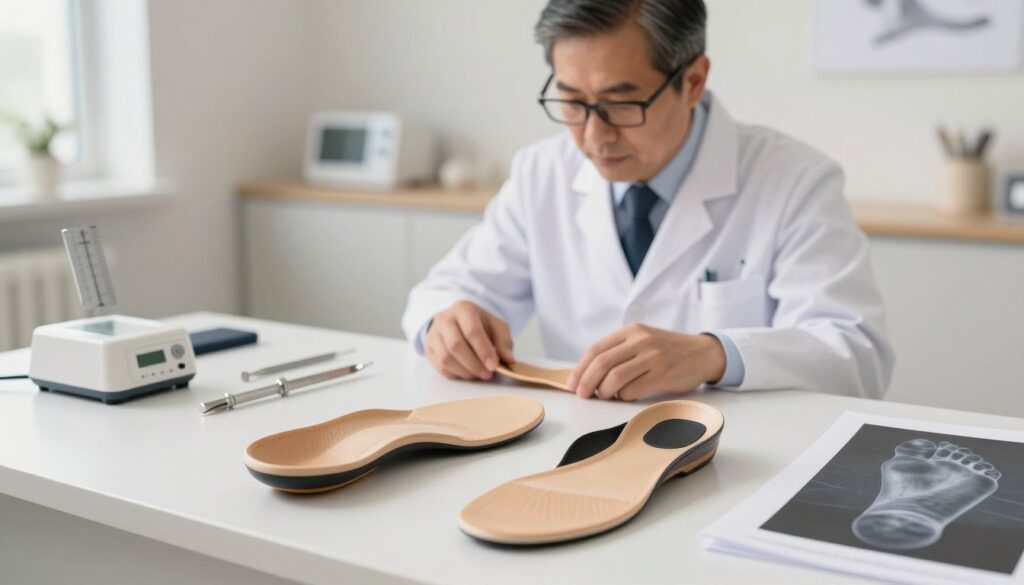
Custom orthotics are often suggested for specific foot problems. They are made to support the foot, fix biomechanical issues, and improve function. For example, people with flat feet or high arches might get orthotics to better distribute pressure and align their feet.
Footwear Recommendations
Wearing the right shoes is important for foot health. Based on the assessment, doctors might suggest certain shoes. For example, shoes with a wider toe box or better arch support might be recommended for certain conditions.
| Foot Condition | Recommended Footwear Feature |
|---|---|
| Flat Feet | Enhanced Arch Support |
| High Arches | Cushioning and Shock Absorption |
| Plantar Fasciitis | Supportive Heel Counter |
Exercise and Rehabilitation Programs
Exercise and rehab programs are key after a biomechanical foot assessment. They help strengthen foot muscles, improve flexibility, and enhance lower limb function. A healthcare professional will create a personalized exercise plan based on the assessment.
For more information on the clinical examination process, visit Gait Doctor’s Clinical Exam Page.
When Additional Specialist Referral May Be Appropriate
Sometimes, the assessment might show the need for a specialist’s evaluation. This could mean referring to a podiatrist, orthopedic specialist, or physical therapist. The decision to refer depends on the complexity of the foot issues and the need for specialized care.
Self-Care Strategies to Support Foot Function
Good foot health comes from self-care. Simple daily habits can keep your feet in top shape. This helps avoid foot problems.
Complementary Home Exercises
Doing exercises for your feet and legs is helpful. Toe curls and heel raises boost foot strength. Calf stretches improve flexibility.
- Toe curls: Curl toes under, hold for 5 seconds, and release. Repeat 10 times.
- Heel raises: Stand on the edge of a step, raise heels, and then lower. Repeat 10 times.
- Calf stretches: Stand facing a wall with one hand on the wall for balance, step one foot back about a foot, keeping the heel on the ground. Bend the front knee and lean forward, stretching the calf. Hold for 15-30 seconds and switch legs.
Footwear Selection Principles
Choosing the right shoes is key for foot health. Shoes should support your feet well, fit right, and match your activity.
| Footwear Feature | Importance | Recommendation |
|---|---|---|
| Adequate Arch Support | High | Look for shoes with built-in arch support or consider orthotics. |
| Proper Fit | High | Ensure shoes fit comfortably, with enough room for toes to wiggle. |
| Cushioning | Medium | Opt for shoes with sufficient cushioning, especially for high-impact activities. |
When to Seek Additional Professional Advice
Self-care is great, but sometimes you need a pro. If you have ongoing foot pain or notice big changes, see a doctor.
Monitoring Progress and Adjusting Approaches
Keep track of how your self-care is working. A simple log can show what’s best for your feet.
“The way to get started is to quit talking and begin doing.”
By using these self-care tips and choosing the right shoes, you can keep your feet healthy.
Who Should Consider a Biomechanical Foot Assessment in New Zealand
If you’re dealing with foot pain or injuries, a biomechanical foot assessment by podiatrists in New Zealand could help. It can spot hidden problems and lead to better foot health.
Persistent Foot Pain Sufferers
People with ongoing foot or ankle pain should see a podiatrist. They can figure out what’s causing the pain and suggest the right treatment. If you’re in pain, getting expert help is a good idea.
Athletes Seeking Performance Optimization
Athletes wanting to improve their game might benefit from a biomechanical foot assessment. Podiatrists can check your gait and foot mechanics to find ways to get better. For more on how this works, like gait scan technology, check out clinics that offer it.
Individuals with Specific Medical Conditions
Those with conditions like diabetes or arthritis face higher foot risks. A biomechanical foot assessment can catch problems early. Regular visits to a podiatrist are key for managing these conditions well.
New Zealand-Specific Resources and Providers
New Zealand has many places for biomechanical foot assessments. Podiatrists all over the country can do these tests. Look for providers with experience and the latest tech, like gait analysis software, for a thorough check.
Conclusion: Taking Steps Toward Better Foot Function
Understanding how our feet work is key to feeling better. A biomechanical foot assessment helps spot problems and plan treatments. It looks at how the foot affects our movement, helping us improve our foot health.
In New Zealand, many people could benefit from this assessment. This includes those with ongoing foot pain, athletes wanting to perform better, and people with certain health issues. Getting advice from a skilled professional is crucial for finding the right treatment.
By focusing on our foot health, we can feel better overall. A biomechanical foot assessment is a big step towards better foot function. It helps us live a higher quality of life.