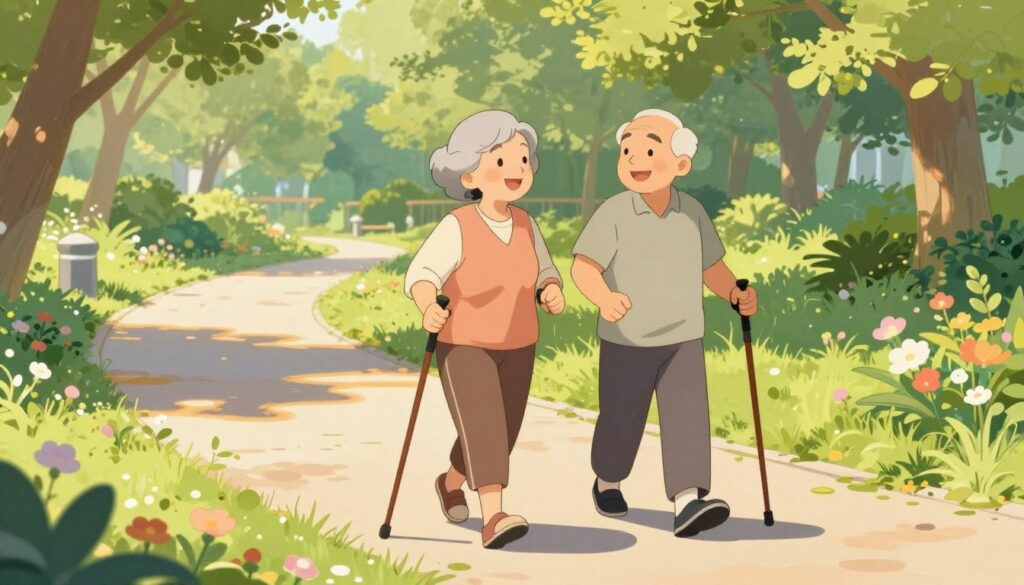
As people get older, keeping balance and stability is key. Foot health is very important for moving around well. Problems with the feet can make life less enjoyable.
Custom orthotics can help seniors by supporting and aligning their feet. This can make moving around easier. They help keep the feet in the right position, which is great for older adults.
Key Takeaways
- Custom orthotics can support senior mobility by improving foot alignment.
- Enhanced foot health contributes to better overall balance.
- Older adults can benefit from custom orthotics for improved stability.
- Foot support can lead to a reduction in mobility issues.
- Maintaining good foot health is crucial for seniors.
Understanding Mobility Challenges in Aging
Seniors often face mobility challenges due to age-related changes. These changes can affect their independence and quality of life. Foot and ankle issues are common in older adults, impacting their ability to move.
Common Foot and Ankle Issues in Seniors
Aging can cause several foot and ankle problems. These include:
- Weakened arches
- Unstable gait
- Age-related structural changes
Age-Related Structural Changes
As people age, their foot structure changes. This can lead to discomfort and mobility issues. Custom orthotics can offer support and cushioning to help.
Impact on Daily Activities
Foot and ankle issues can make daily tasks hard. Walking, climbing stairs, or standing for long periods becomes challenging. For more information on how orthotics can help seniors, visit Orthotics Limited.
How Mobility Affects Quality of Life
Mobility is key for seniors’ quality of life. It affects their physical, social, and psychological well-being.
Physical Independence Factors
Mobility is crucial for seniors to do daily tasks on their own. Balance, strength, and flexibility are important for independence.
Social and Psychological Aspects
Mobility issues can cause social isolation and psychological distress. Keeping mobility helps seniors stay socially active and mentally healthy.
| Mobility Aspect | Impact on Seniors |
|---|---|
| Physical Independence | Ability to perform daily tasks without assistance |
| Social Interaction | Participation in social activities, reducing isolation |
| Psychological Well-being | Maintaining mental health through continued mobility |
What Are Custom Orthotics for Seniors?
Custom orthotics are key for seniors wanting better mobility and less foot pain. These special shoe inserts are made just for you. They help support and align your feet and ankles, helping with many foot issues.
Definition and Types of Orthotics
Custom orthotics fit your foot perfectly, making them a better choice for many seniors. There are different kinds, like functional and accommodative designs.
Functional vs. Accommodative Designs
Functional orthotics fix biomechanical problems like overpronation or supination. They offer support and stability. Accommodative orthotics, on the other hand, cushion and comfort your foot. They’re great for seniors with sensitive feet or certain health issues.
Full-Length vs. Specialized Inserts
Full-length orthotics support your entire foot. Specialized inserts focus on specific areas, like the heel or arch. The right choice depends on your foot’s needs.
Difference Between Custom and Over-the-Counter Options
Custom orthotics are made from top-quality materials and fit your foot perfectly. They offer better support than over-the-counter options.
Material Quality Considerations
Custom orthotics are made from durable materials that last a long time. They’re often made from polypropylene, carbon fiber, and foams.
| Material | Characteristics | Benefits |
|---|---|---|
| Polypropylene | Durable, flexible | Long-lasting support |
| Carbon Fiber | Lightweight, rigid | Provides strong support |
| Foam | Cushioning, comfortable | Reduces pressure on sensitive areas |
Personalization Elements
Custom orthotics are made just for you, considering your foot shape, gait, and health. This personal touch ensures they offer the best support and comfort.
How Custom Orthotics May Support Senior Mobility
Custom orthotics can greatly help seniors stay mobile. They offer extra support and alignment for the feet and ankles. This can help seniors keep their balance and stay stable.
Potential Benefits for Balance and Stability
Custom orthotics support balance and stability in several ways. The main principles include:
Biomechanical Alignment Principles
Keeping the feet and ankles aligned is key for balance. Custom orthotics may help achieve this by offering the right support.
Proprioception Enhancement Possibilities
Proprioception, or knowing where your feet are, can be enhanced with custom orthotics. This can improve balance and stability.
Possible Pain Relief Mechanisms
Custom orthotics may also ease pain for seniors. The ways they do this include:
Pressure Redistribution
By spreading pressure evenly, custom orthotics help alleviate discomfort areas.
Support for Natural Foot Function
Custom orthotics support the foot’s natural function. This can lead to less strain and pain.
For seniors facing mobility challenges, talking to a professional is wise. They can explain how custom orthotics help. Learn more at Gait Doctor’s website.
| Benefits | Description |
|---|---|
| Balance Improvement | Custom orthotics provide support and alignment, enhancing balance. |
| Pain Relief | By redistributing pressure and supporting natural foot function, custom orthotics can alleviate pain. |
| Enhanced Mobility | With improved balance and reduced pain, seniors can enjoy enhanced mobility. |
Common Foot Conditions in Seniors That Orthotics May Address
As people get older, their feet change in ways that can affect their daily life. Custom orthotics can help with these changes. They play a big role in improving mobility and quality of life.
Plantar Fasciitis and Heel Pain
Plantar fasciitis is when the plantar fascia gets inflamed, causing heel pain. Custom orthotics can help by supporting the arch. This reduces stress on the plantar fascia.
Supportive Features for Arch Issues
Orthotics for plantar fasciitis have special features. They support the arch and lessen stress on the plantar fascia. These features include:
- Cushioning to absorb shock
- Arch support to reduce strain on the plantar fascia
- Heel cups to stabilize the heel
Arthritis-Related Discomfort
Arthritis is common in seniors and can cause foot pain. Custom orthotics offer cushioning and joint protection. This helps reduce arthritis pain.
Cushioning and Joint Protection
Orthotics for arthritis have:
- Cushioning materials to absorb shock and reduce pressure on joints
- Supportive structures to stabilize affected joints
Diabetic Foot Concerns
Seniors with diabetes face foot problems like neuropathy and ulcers. Custom orthotics manage these risks with pressure point management.
Pressure Point Management
Orthotics for diabetic foot care include:
- Customized cushioning to reduce pressure on sensitive areas
- Accommodations for deformities or areas of concern
Balance and Fall Prevention Considerations
Balance issues are a big worry for seniors. They can lead to falls and injuries. Custom orthotics can improve stability and prevent falls.
Stability Enhancement Features
Orthotics for better balance have:
- Stable, supportive bases to enhance balance
- Cushioning to absorb shock and improve comfort
The table below shows how custom orthotics can help with common foot conditions in seniors:
| Condition | Orthotic Features | Benefits |
|---|---|---|
| Plantar Fasciitis | Arch support, cushioning, heel cups | Reduced pain, improved mobility |
| Arthritis | Cushioning, joint support | Pain relief, improved joint stability |
| Diabetic Foot Concerns | Pressure point management, customized cushioning | Reduced risk of ulcerations, improved comfort |
| Balance Issues | Stability enhancement, supportive bases | Improved balance, reduced fall risk |
The Professional Assessment Process
The journey to custom orthotics starts with a detailed assessment by a podiatrist. This step is key to figuring out if you need custom orthotics. It also helps create a treatment plan just for you.
What to Expect During a Podiatric Evaluation
At your first visit, the podiatrist will do a complete check-up. This includes:
- Looking over your medical history
- Checking your foot health and how you move
- Talking about your symptoms and daily activities
Initial Consultation Components
The first meeting is crucial to understand your needs. The podiatrist will look at your feet, ankles, and lower legs.
Gait Analysis Procedures
A gait analysis is done to see how you walk. It shows if there are problems with balance, stride, or foot strike. This info is key for making good custom orthotics.
Advanced Diagnostic Technologies
Today’s podiatric evaluations use new tech to learn more about your foot health.
3D Scanning Methods
3D scanning makes a detailed digital model of your feet. This helps get accurate measurements for custom orthotics.
Pressure Mapping Systems
Pressure mapping systems check how pressure spreads across your feet during different activities. This gives insights for designing orthotics.
The Importance of Comprehensive Foot Analysis
A full foot analysis is essential for making good custom orthotics. It looks at both still and moving feet.
Static vs. Dynamic Assessment
Static checks look at your feet when you’re standing or sitting. Dynamic checks look at your feet while you’re moving.
| Assessment Type | Description |
|---|---|
| Static | Examines the feet while standing or sitting |
| Dynamic | Evaluates the feet during movement |
A leading podiatry expert says, “A detailed assessment is the base of good custom orthotics. It makes sure the device fits your needs and improves your mobility and comfort.”
Custom Orthotics for Seniors: The Manufacturing Process
Making custom orthotics for seniors is a detailed process. It uses advanced tech and skilled hands. This way, the orthotics fit perfectly, offering the best support and comfort.
Materials Used in Modern Orthotics
Orthotics are made from materials like plastic, carbon fiber, and foam. The right material depends on the person’s needs and their condition.
Rigid vs. Semi-Rigid vs. Soft Options
Rigid orthotics give the most support and are great for stability needs. Semi-rigid ones balance support and flexibility. Soft orthotics are for comfort and cushioning.
Specialized Materials for Aging Feet
Some materials help with dry skin or sensitivity in older feet.
Customization Techniques and Technologies
Computer-aided design (CAD) is a key tech in making custom orthotics. It allows for precise and tailored designs.
Computer-Aided Design Processes
CAD software helps create detailed designs. It’s based on the person’s foot shape and needs.
Hand-Crafted Elements
Even with tech, hand-crafted parts are key. They ensure a good fit and comfort.

Durability and Maintenance Considerations
The life of custom orthotics depends on how they’re used and cared for. Regular cleaning and proper care can make them last longer.
Expected Lifespan Factors
Material quality, how much they’re used, and care affect their lifespan.
Cleaning and Care Guidelines
It’s important to follow the maker’s cleaning and care tips. This keeps the orthotics working well.
Adapting to Your New Custom Orthotics
Learning to use custom orthotics can really help seniors. It takes some time to get used to them. You might need to make a few adjustments for the best fit and comfort.
The Break-in Period: What to Expect
When you start wearing custom orthotics, do it slowly. This lets your feet get used to the new support and how pressure is spread out.
Gradual Introduction Strategies
Begin by wearing them for a few hours a day. Then, little by little, wear them for longer. This gradual introduction strategy can help your feet adjust without too much discomfort.
Normal Adjustment Sensations
As you get used to them, you might feel the orthotics supporting your arches. You might also notice a difference in how your shoes fit.
Signs That Adjustments May Be Needed
If you keep feeling pain or discomfort, it might be time for adjustments. Paying attention to how your body reacts is important.
When to Consult Your Provider
If the discomfort doesn’t go away after a while, talk to your provider. They can check if you need any changes.
Common Modification Types
Adjustments can be small changes to the orthotics or advice on shoes that fit better with them.
| Adjustment Type | Description | Potential Benefit |
|---|---|---|
| Material Trimming | Trimming the orthotic material to better fit the shoe or reduce pressure | Improved comfort and fit |
| Padding Addition | Adding padding to areas of the orthotic that may be causing discomfort | Reduced irritation and enhanced comfort |
| Shoe Recommendations | Recommending shoes that are compatible with the custom orthotics | Better overall support and stability |
Complementary Approaches to Improving Senior Mobility
Improving senior mobility needs a mix of strategies. Custom orthotics are key, but other methods also help a lot. They make seniors more mobile and improve their life quality.
Appropriate Footwear Selection
Choosing the right shoes is very important for seniors, especially with custom orthotics. Key features for orthotic compatibility include a comfy toe box and a secure closure. This doesn’t mess with the orthotic.
Key Features for Orthotic Compatibility
- Soft, breathable upper materials
- Adjustable closure systems
- Removable insoles to accommodate orthotics
Seasonal Considerations
Seniors should think about the season when picking shoes. Waterproof boots are a must in wet weather. In warm weather, light, breathable shoes are better.
Gentle Exercise and Stretching Options
Doing gentle exercises and stretches can really help seniors move better. Foot-specific strengthening activities boost balance and stability.
Foot-Specific Strengthening Activities
- Toe curls and spreads
- Ankle rotations
- Heel raises
Balance Enhancement Exercises
Exercises like single-leg stands and heel-to-toe walks help with balance. Seniors should talk to a healthcare expert before starting any new exercise.
Home Modifications for Safety
Changing the home to make it safer is very important for seniors. Flooring and furniture adaptations can really cut down on fall risks.
Flooring and Furniture Adaptations
- Removing tripping hazards like loose rugs
- Installing handrails in strategic locations
- Improving lighting, especially in hallways and stairways
Assistive Devices That Complement Orthotics
Devices like canes and walkers can help with custom orthotics. They offer more support and stability.
Cost Considerations and Funding Options in New Zealand
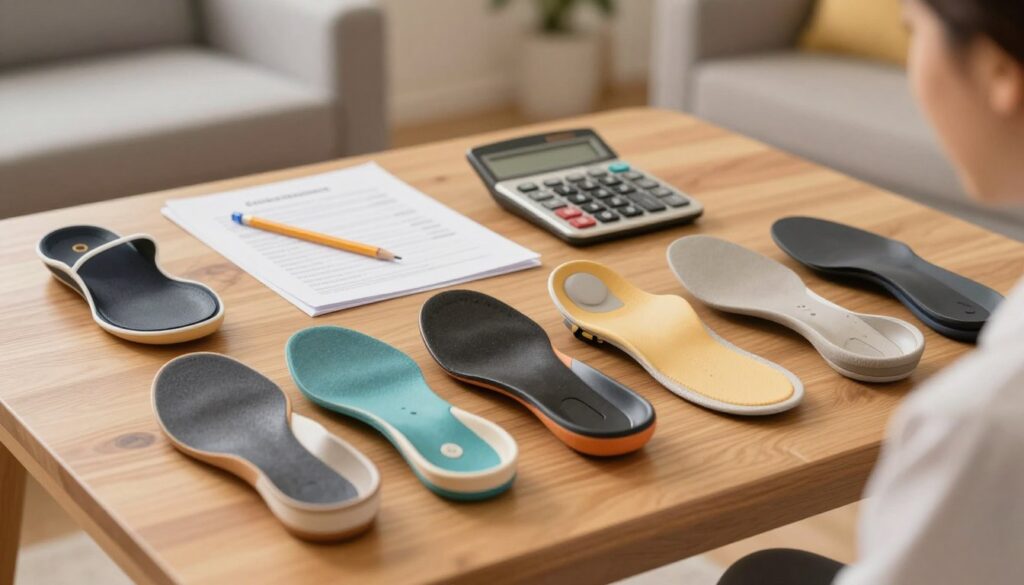
Seniors in New Zealand should know about the costs and funding for custom orthotics. The price depends on the materials and how complex the orthotic is.
Insurance Coverage Possibilities
Many seniors can get help with custom orthotics costs through health insurance. Private health insurance often covers part of the cost.
Private Health Insurance Scenarios
Private health insurance plans differ in what they cover. Some include custom orthotics in their extras or ancillary cover.
Documentation Requirements
To get insurance help, seniors need to show a doctor’s note and receipts for the orthotics.
Government Assistance Programs
New Zealand has government programs that help with custom orthotics costs for eligible seniors.
ACC Coverage Criteria
The Accident Compensation Corporation (ACC) might cover custom orthotics if they’re needed because of an injury.
Disability Allowance Applications
Seniors might get a Disability Allowance to help with their condition’s costs.
Long-term Value Assessment
Even though custom orthotics can be pricey upfront, their long-term benefits are worth it.
Cost-Benefit Analysis
| Benefits | Potential Cost Savings |
|---|---|
| Improved mobility | Reduced need for pain medication |
| Reduced risk of falls | Lower healthcare costs associated with fall-related injuries |
Replacement Timelines
Knowing when custom orthotics need to be replaced helps with budgeting for ongoing care.
Conclusion: Taking Steps Toward Better Mobility
Custom orthotics can greatly help older adults by improving stability and mobility. They provide specific support and reduce pain. This makes senior mobility better, leading to a higher quality of life. Seniors can stay independent and enjoy activities they love.
It’s crucial for seniors to talk to a healthcare expert to find the right treatment. Custom orthotics are helpful but should be used with a podiatrist’s advice. The info here is for learning, not a replacement for medical advice.