
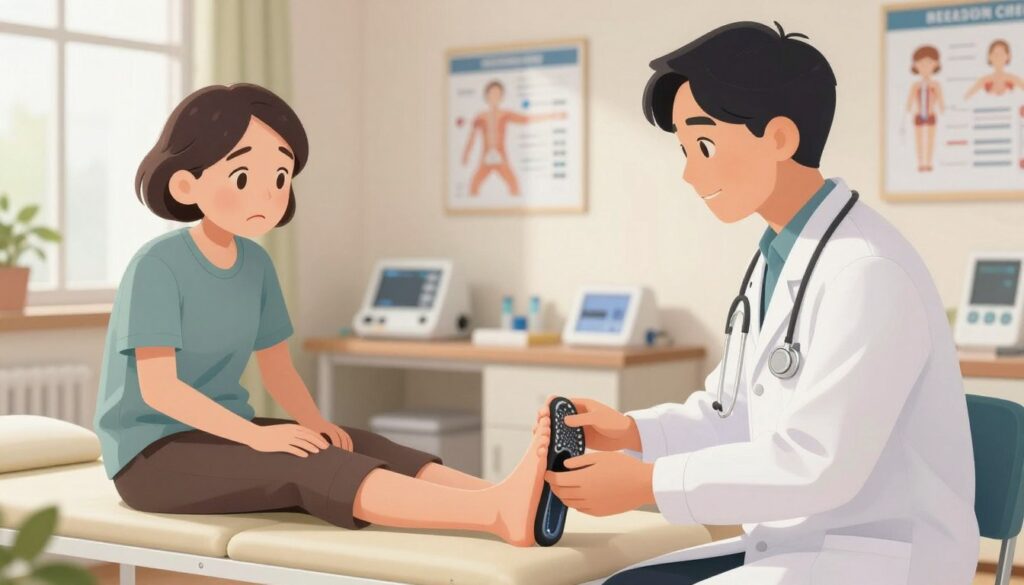
Diabetic neuropathy is a serious problem for millions worldwide. It causes nerve damage, leading to pain, numbness, and weakness in the feet and legs.
Managing diabetic neuropathy needs a complete plan. Orthotics are key in easing symptoms. They offer support and cut down pressure on sore spots.
Learning about neuropathy and orthotics’ benefits is the first step. It helps improve life quality.
Key Takeaways
- Diabetic neuropathy is a common complication of diabetes.
- Orthotics can help manage neuropathy symptoms.
- Proper foot care is essential for managing neuropathy.
- Orthotics provide support and reduce pressure on affected areas.
- A comprehensive approach is necessary for managing diabetic neuropathy.
Understanding Diabetic Neuropathy
It’s important to know what causes diabetic neuropathy to manage its symptoms well. This condition damages nerves, leading to pain, numbness, and weakness.
What Causes Diabetic Neuropathy
High blood sugar levels over time damage nerves, causing neuropathy. Blood sugar control is key to preventing or slowing this nerve damage.
Blood Sugar Control and Nerve Damage
High blood sugar harms nerves by damaging the tiny blood vessels they need. Keeping blood sugar in check through diet, exercise, and medication helps protect nerves.
Risk Factors and Prevalence
Several factors raise the risk of getting diabetic neuropathy, including:
- Obesity: Being very overweight increases the risk.
- Smoking: It damages blood vessels, cutting off nerve supply.
- Family History: A family history of diabetes or its complications matters.
By understanding the causes and risk factors of diabetic neuropathy, people can work with their doctors. They can create a plan that includes controlling blood sugar and other preventive steps.
The Impact of Diabetic Neuropathy on Mobility and Quality of Life
Diabetic neuropathy greatly affects how patients move and their overall quality of life. As it worsens, it makes simple tasks hard. This is due to mobility issues caused by the condition.
Balance and Gait Issues
People with diabetic neuropathy often face balance and gait issues. Nerve damage in the feet and legs increases the chance of falls. This is a big concern.
Proprioception Changes
Diabetic neuropathy also leads to proprioception changes. This means the body has trouble sensing its position and movement. It causes balance problems and raises the risk of falls.
Altered Walking Patterns
The condition can also change how patients walk. They might adjust their stride to deal with foot discomfort or numbness. This can make mobility issues worse.
A medical expert says, “Diabetic neuropathy can greatly affect a patient’s quality of life. It’s important to tackle mobility issues quickly.” Managing diabetic neuropathy well is key to keeping mobility and overall health.
Foot Complications Associated with Diabetic Neuropathy
Diabetic neuropathy can lead to foot problems like ulcers and wounds. These issues are hard to manage because of nerve damage and poor blood flow.
Ulcers and Wounds
Foot ulcers and wounds are common in people with diabetic neuropathy. The loss of feeling in the feet makes unnoticed injuries likely. Proper wound care is essential to avoid infections and help wounds heal.
Pressure Points and Breakdown
Pressure points on the feet can cause skin breakdown and ulcers. The most vulnerable areas are those that carry the most weight or get rubbed a lot. Regular inspection and proper footwear can help prevent these problems.
Delayed Healing Processes
People with diabetic neuropathy heal slower because of poor blood flow and nerve damage. This makes foot ulcers and wounds take longer to heal. Effective wound care strategies are crucial.
Managing foot problems from diabetic neuropathy requires a few steps. These include proper wound care, reducing pressure, and watching for signs of ulcers. Important steps include:
- Regular foot inspections to catch problems early
- Choosing the right shoes to lessen pressure and friction
- Good wound care to aid in healing

By knowing the risks and taking action, people with diabetic neuropathy can lower their chance of serious foot problems.
Orthotics for Diabetic Neuropathy: Mechanisms and Benefits
Orthotics are key in managing diabetic neuropathy. They offer support and ease symptoms. This can greatly improve life quality for those with diabetic neuropathy.
“The right orthotics can make a huge difference in managing diabetic neuropathy,” says Dr. Jane Smith, a podiatrist specializing in diabetic foot care. “By providing the correct support and cushioning, orthotics can help prevent complications and improve mobility.”
How Orthotics May Support Neuropathic Feet
Orthotics support the foot to reduce stress and pressure. This is especially helpful for those with diabetic neuropathy. It helps prevent ulcers and wounds caused by lost sensation in the feet.
The success of orthotics in managing diabetic neuropathy comes from biomechanical principles. Practitioners use this knowledge to design orthotics that fix or ease issues related to diabetic neuropathy.
Orthotics can spread pressure evenly across the foot, lowering ulcer risk. They also improve gait and balance, reducing fall risk. A study in the Journal of Foot and Ankle Research found custom orthotics greatly reduce foot pain and improve function in diabetic neuropathy patients.
The role of the practitioner is vital. They check the patient’s foot biomechanics, find high-pressure areas, and create orthotics to address these. This tailored approach makes sure the orthotics work well for diabetic neuropathy symptoms.
In summary, orthotics are a valuable tool for managing diabetic neuropathy. They use biomechanical principles and offer personalized support. This helps ease symptoms, improves mobility, and boosts overall life quality for those with diabetic neuropathy.
Types of Orthotics Suitable for Neuropathy Management
Orthotics are key in managing diabetic neuropathy. They come in custom and off-the-shelf types. The right choice depends on the person’s needs and how severe their condition is.
Custom vs. Over-the-Counter Options
Patients with diabetic neuropathy have two options: custom orthotics and over-the-counter (OTC) orthotics. Custom orthotics fit perfectly, offering precise support and comfort. OTC orthotics are cheaper and easier to find.
Custom orthotics are best for those with severe foot issues or advanced neuropathy. A study on the National Center for Biotechnology Information shows they greatly improve life quality for these patients.
When Custom Devices May Be Necessary
Custom orthotics are needed for complex foot problems, like big deformities or ulcers. They help spread out pressure, lowering the chance of more problems. For example, someone with foot ulcers might need custom orthotics to protect sensitive spots.
Quality Prefabricated Alternatives
Quality prefabricated orthotics are a good, cheaper choice for many. These OTC orthotics offer support and comfort without needing a custom fit. They work well for those with mild to moderate neuropathy symptoms.
Choosing between custom and OTC orthotics depends on a detailed check-up. Healthcare experts can help pick the best option. This ensures patients get the best care for their diabetic neuropathy.
The Orthotic Assessment Process in New Zealand
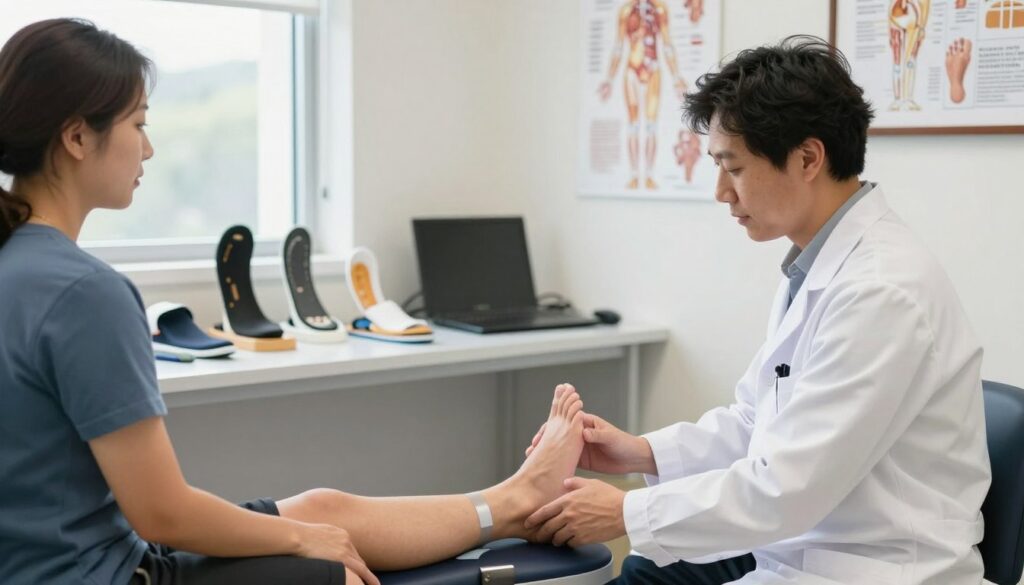
In New Zealand, people with diabetic neuropathy can get a detailed orthotic assessment. A healthcare expert does this to find the best orthotic treatment for them.
What to Expect During an Evaluation
During the assessment, patients get a full check of their foot health and how they move. The expert will look at how the patient walks, the shape of their feet, and any pain spots.
Initial Consultation Components
The first meeting includes a detailed medical history, a physical check, and talking about symptoms and daily life. The expert might also use special tools to check how the feet function.
- A thorough medical history review
- A physical examination of the feet and lower limbs
- Gait analysis to assess walking patterns
Follow-up Appointments
Follow-up visits are key to track progress and tweak the orthotic treatment if needed. These meetings help make sure the orthotics keep giving the best support and comfort.
Accessing Orthotic Services in New Zealand
New Zealand’s healthcare system offers many ways to get orthotic services for diabetic neuropathy. The public health system is a main way to get these services.
Public Health System Options
The public health system in New Zealand gives full care, including orthotics, to those who need it. It helps people with diabetic neuropathy manage their condition well.
District Health Board Services
District Health Boards (DHBs) are key in offering orthotic services. They provide care that fits the needs of those with diabetic neuropathy, like assessments and custom orthotics.
Eligibility Criteria
To get orthotic services from DHBs, patients must meet certain criteria. They need a confirmed diabetic neuropathy diagnosis and a doctor’s referral. These rules help make sure services go to those who really need them.
When getting orthotic services, it’s important to know the referral process. You should also understand what happens during an assessment and any costs or subsidies from the public health system.
Key Benefits:
- Access to specialized orthotic care
- Support for managing diabetic neuropathy symptoms
- Eligibility for subsidized services through DHBs
Complementary Approaches to Managing Diabetic Neuropathy
Complementary methods, like wearing the right shoes, are key in managing diabetic neuropathy. Medical treatments are important, but other strategies can also help a lot. They can make symptoms better and improve life quality.
Proper Footwear Selection
Choosing the right footwear is very important for those with diabetic neuropathy. The right shoes can stop foot problems, lessen pain, and help move better. Custom foot orthotics work well with the right shoes.
Key Features of Diabetic Footwear
Diabetic shoes have special features to protect sensitive feet. These include:
- Extra depth to fit toe deformities and lessen toe pressure.
- Soft, breathable materials to avoid irritation and stop moisture buildup.
- Seamless interiors to lower the chance of ulcers and wounds.
- Rockersole design to ease foot stress while walking.
In New Zealand, many brands make diabetic shoes for those with neuropathy. They offer different styles and features. This means patients can find shoes that are both comfortable and stylish.
Adding proper footwear to their care plan can greatly help people with diabetic neuropathy. It can improve their foot health and overall well-being.
Conclusion: Creating Your Comprehensive Neuropathy Management Plan
A good neuropathy management plan is key for those with diabetic neuropathy. Adding orthotics to their care helps manage symptoms and boosts quality of life. Custom orthotics provide specific support for biomechanical issues, lowering the risk of neuropathy complications.
Understanding orthotics’ role in neuropathy care is vital for comprehensive treatment. Orthotics can ease symptoms by offering support and stability. For more on orthotics for plantar fasciitis, check out Gait Doctor’s guide. This resource is great for a full neuropathy management plan that covers foot health.
Being proactive in managing neuropathy can prevent more problems and enhance well-being. A detailed care plan with orthotics, the right shoes, and other strategies can greatly help manage diabetic neuropathy.