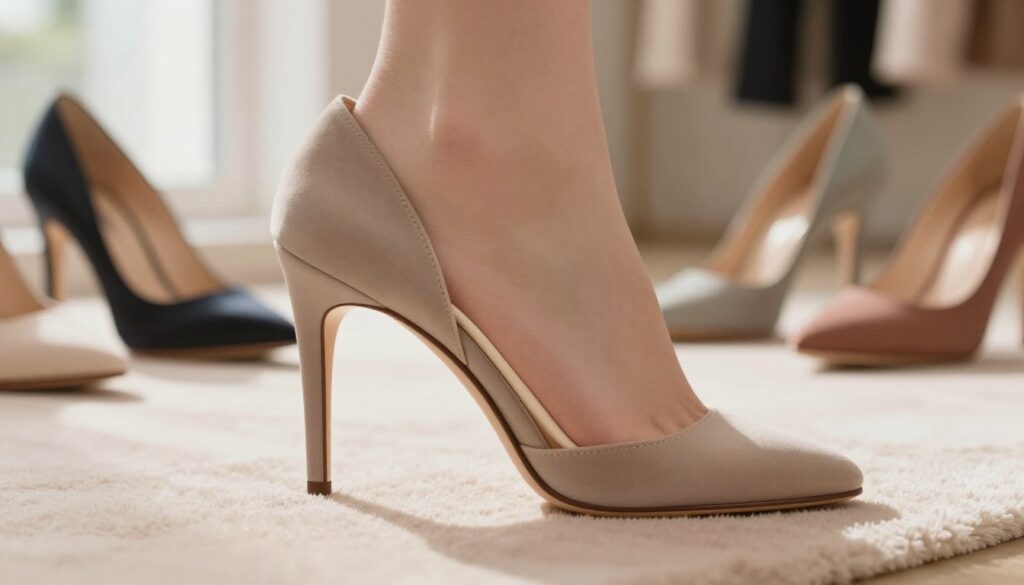
Wearing high heels can be stylish, but it often hurts your feet. Many people can’t enjoy the look of high heels because of the pain.
Orthotic inserts help with foot pain and offer relief. They provide arch support and cushioning. This makes wearing high heels much more comfortable.
This article will show how orthotic solutions can improve foot comfort. It helps you wear high heels without feeling uncomfortable.
Key Takeaways
- Understanding the role of orthotic inserts in alleviating foot pain.
- Exploring the benefits of using orthotic solutions for comfort.
- Learning how to choose the right orthotic inserts for your needs.
The Impact of High Heels on Foot Health
Wearing high heels regularly can harm your foot health. The way your foot moves changes, leading to several problems.
Biomechanical Changes When Wearing High Heels
High heels change how your foot works. The heel raises your foot, putting more pressure on your toes and the ball of your foot. This can cause pain and discomfort.
Common Foot Problems Associated with High Heel Use
High heels can cause many foot issues. These include metatarsalgia, which is pain in the ball of the foot, plantar fasciitis, and bunion discomfort. Bunions happen when the big toe joint is misaligned.
Weight Distribution Challenges
High heels also affect how your weight is distributed. They can make your weight unevenly spread, stressing some foot areas more. This can cause foot and ankle fatigue and discomfort.
Knowing the risks of high heels is important. By understanding these risks, you can take steps to protect your foot health. Using orthotic inserts is one way to support your feet.
Understanding Orthotic Inserts for High Heels
Orthotic inserts are made to give extra support and comfort for those who wear high heels. They are made to fix foot problems that come from wearing high heels, like pain and discomfort.
What Are Orthotic Inserts?
Orthotic inserts are special devices put inside shoes to support the foot and ease pain. They are made to fix or lessen foot problems caused by high heels.
How Orthotics May Support Foot Structure
Orthotic inserts give arch support and cushioning. This helps spread pressure more evenly across the foot. It can make walking more comfortable and lessen pain.
Differences Between Regular Insoles and Orthotic Inserts
Regular insoles just offer basic cushioning. But orthotic inserts give tailored support and fix for specific foot problems. The main differences are in design, materials, and how they work.
| Feature | Regular Insoles | Orthotic Inserts |
|---|---|---|
| Cushioning | Basic | Customized |
| Support | Limited | Arch Support |
| Corrective Functionality | No | Yes |
Podiatrists are key in picking and making orthotic inserts. They look at the person’s foot type and problems to suggest the best orthotic option.
Types of Orthotic Inserts for High Heels
Wearing high heels often? Knowing about different orthotic inserts is key. They can make your feet feel better and lower the chance of foot issues.
Full-Length Inserts
Full-length inserts support your whole foot. They’re great for those needing strong arch support and cushioning. They spread out pressure evenly.
Three-Quarter Length Options
Three-quarter length inserts support without covering the toes. They fit well in shoes with tight toe boxes. They offer a good mix of support and flexibility.
Metatarsal Pads and Cushions
Metatarsal pads and cushions ease pressure on the foot’s ball. They’re good for people with metatarsalgia or similar pain.
Heel Cups and Grips
Heel cups and grips keep the heel stable. They stop slipping and add extra support. They help prevent blisters and discomfort from friction.
Here’s a quick guide to each type of orthotic insert:
| Type of Insert | Key Features | Benefits |
|---|---|---|
| Full-Length Inserts | Comprehensive footbed coverage, extensive arch support | Even pressure distribution, enhanced comfort |
| Three-Quarter Length Options | Support without toe area coverage, flexible | Balance between support and flexibility, suitable for narrower toe boxes |
| Metatarsal Pads and Cushions | Pressure relief on the ball of the foot | Alleviates metatarsalgia and similar discomforts |
| Heel Cups and Grips | Heel stabilization, reduced slippage | Prevents blisters, enhances heel support |

Potential Benefits of Using Orthotic Inserts
Orthotic inserts in high heel shoes can offer many benefits. They are made to fix foot health issues linked to high heels.
Possible Pressure Redistribution
Orthotic inserts spread pressure evenly across the foot. This pressure redistribution can ease discomfort and pain from tight spots.
Support for Arch and Heel
Orthotic inserts give extra arch support and cushioning for the heel. This is great for those with arch or heel pain in high heels.
Potential Reduction in Foot Fatigue
Orthotic inserts offer better support and cushioning. This can lessen foot fatigue. Many find less discomfort and pain in high heels with these inserts.
Improved Stability and Balance
Orthotic inserts also boost stability and balance. They make the shoe base more stable, lowering the chance of slipping or twisting an ankle.
Orthotic inserts can greatly improve wearing high heels. They address many foot health issues, making a big difference for those who wear high heels often.
Common Foot Conditions That May Benefit from Orthotics
Many foot conditions can be helped by orthotic inserts, especially for those who wear high heels often. These inserts offer support and relief for various foot problems. They improve overall foot health.
Ball of Foot Pain (Metatarsalgia)
Metatarsalgia, or pain in the ball of the foot, is common in high heel wearers. Orthotic inserts with metatarsal pads or cushions can spread out pressure. This eases pain and discomfort.
These inserts add extra cushioning and support. They can greatly improve comfort.
Plantar Fasciitis Considerations
Plantar fasciitis causes heel pain due to inflammation of the plantar fascia. Orthotic inserts with arch support and cushioning lessen strain on the plantar fascia. This reduces pain.
Bunion Discomfort Management
Bunions can be very uncomfortable, especially in high heels. Orthotic inserts can act as a buffer between the bunion and the shoe. This reduces friction and pressure.
This makes wearing high heels more comfortable and less painful.
Morton’s Neuroma Support
Morton’s neuroma causes pain and numbness due to thickened tissue around a nerve between the toes. Orthotic inserts with metatarsal support can ease these symptoms. They reduce pressure on the affected nerve.
This support is key in managing Morton’s neuroma discomfort.
Getting a professional assessment is helpful in finding the right orthotic insert. A podiatrist can give personalized advice. This ensures the best support and relief for your specific needs.
How to Choose the Right Orthotic Inserts for High Heels
To find the best orthotic inserts for your high heels, start by checking your foot type and any issues you have. This first step helps narrow down the best options for comfort and support.
Assessing Your Foot Type and Concerns
Knowing your foot type is key. It could be flat, high-arched, or neutral. Also, if you have foot problems like plantar fasciitis or bunions, choose inserts that fix these issues.
- Consider your arch type: flat, neutral, or high-arched.
- Identify any foot pain or discomfort you’re experiencing.
- Think about your lifestyle and how you wear your high heels.
Considering Heel Height and Shoe Style
The height of your heel and your shoe’s style matter a lot. For example, taller heels might need more support.
Key considerations include:
- Heel height: Higher heels may need more supportive inserts.
- Shoe style: Different styles may require different types of orthotics.

Material Options and Durability Factors
Orthotic inserts are made from various materials. Each offers different benefits like comfort, support, and how long they last.
Some common materials include:
- Gel for cushioning.
- Foam for support and comfort.
- Plastic or carbon fiber for additional structural support.
When to Consider Professional Assessment
Choosing orthotic inserts can be easy for some, but others might need a podiatrist’s help.
“A professional can provide a detailed analysis of your foot structure and recommend custom orthotics if necessary.”
If you have ongoing foot pain or a complex foot issue, getting professional advice is a good idea.
Professional Assessment and Custom Orthotic Options
If you’re dealing with foot pain from high heels, getting a professional assessment is key. A podiatrist will evaluate your foot to find the best orthotic solution for you.
The Role of Podiatrists in Orthotic Prescription
Podiatrists are experts in foot health and orthotics. They make sure the orthotics fit your specific needs, like metatarsalgia or plantar fasciitis. They look closely at your foot’s structure and how it works.
What to Expect During a Professional Assessment
At your assessment, you’ll get a full check-up of your foot. This includes a gait analysis and a look at your foot’s structure. You’ll also talk about any pain or discomfort from wearing high heels. The podiatrist might also ask about your shoe choices and foot care.
The Custom Orthotic Creation Process
Making custom orthotics starts with detailed foot impressions or scans. These are used to create orthotics that meet your exact needs. The materials can change, offering support, cushioning, and durability. The whole process aims to give you the best comfort and support for wearing high heels.
Over-the-Counter Orthotic Inserts for High Heels
Over-the-counter orthotic inserts are a good fix for high heel discomfort. They add support and cushioning. This makes high heels easier to wear for longer times.
Popular Retail Options in New Zealand
In New Zealand, you can find these inserts at many places. Look at specialty shoe stores, pharmacies, and online shops. Brands like Dr. Scholl’s and Superfeet have a variety for different feet.
When picking a store, think about the product, brand, and reviews. This helps choose the right insert for you.
Cost Considerations and Value Assessment
Prices for these inserts vary a lot. They range from $20 to over $100, depending on the brand and features. Think about how long it lasts, how comfortable it is, and its support.
A pricier insert might be worth it if it lasts longer or feels better. But a cheaper one might be okay for occasional use or as a test before buying something more.
Adjusting and Modifying Pre-Made Orthotics
Some inserts can be trimmed or adjusted to fit your shoes or feet. Always follow the maker’s instructions for these changes. This keeps the insert working well and feeling good.
If you need more custom fit, some stores offer trimming or suggest local pedorthists. This is great for people with special foot needs.
Proper Use and Maintenance of Orthotic Inserts
To get the most out of your orthotic inserts, it’s crucial to understand how to use and maintain them correctly. Proper use and maintenance are key to ensuring the longevity and effectiveness of your orthotics.
Insertion and Positioning Techniques
Correctly inserting and positioning your orthotic inserts is vital for achieving the desired support and comfort. Ensure that the inserts are aligned properly within your shoes and fit snugly under your feet. For more detailed guidance on insertion techniques, you can visit The Foot Health Centre website.
Breaking-In Period Expectations
When first using orthotic inserts, it’s normal to experience a breaking-in period. Start by wearing them for short periods and gradually increase the duration as your feet adjust.
Cleaning and Care Guidelines
Regular cleaning is essential to maintain hygiene and extend the life of your orthotic inserts. Use mild soap and water, and allow them to air dry. Avoid exposing them to extreme temperatures.
When to Replace Your Orthotics
Orthotic inserts have a limited lifespan. Replace them when you notice signs of wear, such as thinning or cracking, or if you experience a change in your foot comfort or support needs.
Conclusion
Orthotic inserts can greatly improve comfort for those who wear high heels often. They help spread out pressure and support the arch and heel. This can help solve common foot issues linked to high heels.
Research shows that orthotics and insoles can ease the strain on the plantar fascia. This addresses the main causes and supports long-term health. For example, South Island Physio found that orthotics can lower plantar pressure and help with plantar fasciitis pain.
Custom orthotics offer a tailored solution that rebalances the feet and reduces joint stress. They promote natural movement. As Gait Doctor explains, custom orthotics fit in many types of shoes, including high heels and formal ones. This makes them a flexible choice for those looking for comfort in high heels.
In summary, adding orthotic inserts to high heel shoes can significantly improve comfort and foot health. Knowing the benefits and options helps people make better choices for their high heel wear.