
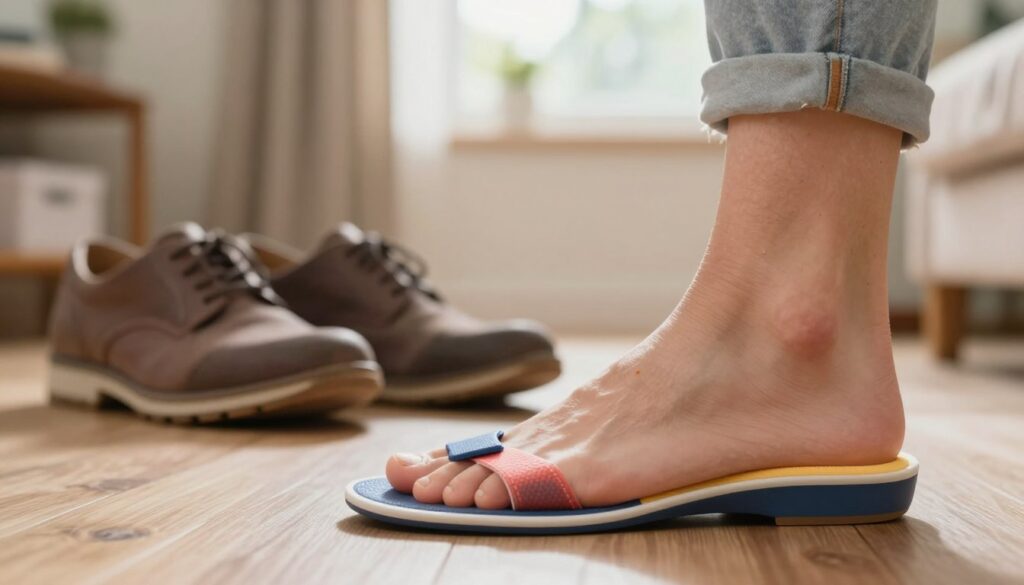
As people get older, their feet change a lot. This can cause pain and discomfort. Custom orthotics can help by giving the right support and stability.
For many seniors, taking care of their feet is very important. Orthotics can help by spreading out the pressure and easing pain. This makes moving around easier and improves their life quality. Getting a professional to check what orthotics are best is key.
Key Takeaways
- Custom orthotics can provide support and alleviate foot pain in seniors.
- A professional assessment is necessary to determine the best orthotic solution.
- Orthotics can enhance mobility and quality of life for seniors.
- Foot health is a critical aspect of overall well-being in older adults.
- Orthotics can help redistribute pressure and alleviate discomfort.
What Are Orthotics and How Do They Function
Orthotics are medical devices that fit inside shoes to help with foot and ankle problems. They are made to offer support, stability, and pain relief. A healthcare expert helps choose the right orthotic for each person’s needs.
Definition and Basic Concepts
Orthotics help with foot and ankle issues by adding support and cushioning. Wikipedia says they can treat many conditions, like plantar fasciitis and diabetic foot problems.
Different Types of Orthotic Devices
There are many types of orthotics, each with its own purpose. They mainly fall into two categories: functional and accommodative orthotics.
Functional Orthotics
Functional orthotics control the foot and ankle’s motion. They fix biomechanical problems. Made from stiffer materials, they offer the needed support and stability.
Accommodative Orthotics
Accommodative orthotics provide cushioning and support for sensitive or deformed feet. They are softer to fit the foot’s shape.
Choosing between functional and accommodative orthotics depends on the foot condition and needs. A healthcare professional makes this decision.
- Reduced pain and discomfort
- Improved foot mechanics
- Enhanced mobility and balance
Knowing about different orthotics and their functions helps people make better choices for their foot health.
Common Foot and Ankle Changes in Aging
As people get older, their feet change a lot. These changes can make it harder to move around and feel comfortable. They can also affect how well seniors can live their lives.
Natural Age-Related Foot Transformations
Older feet go through many changes. Fat pad atrophy and arch flattening are two common ones.
Fat Pad Atrophy
The fat pads on the soles of the feet get thinner with age. This can cause pain when walking or standing. It makes simple tasks harder to do.
Arch Flattening
The arch of the foot can also change, becoming flatter. This can shift how pressure is spread across the foot. Some people might feel pain or discomfort in their foot or ankle.
“The aging foot undergoes significant changes that can impact overall health and mobility.”
Conditions That May Benefit from Support
Some age-related conditions can be helped by orthotics. For example, arthritis, plantar fasciitis, and diabetic foot concerns can be eased with the right orthotics.
Arthritis and Joint Pain
Arthritis can make the joints in the feet hurt and stiff. Orthotics can offer support and cushioning. This can help reduce pain and improve movement.
Plantar Fasciitis
Plantar fasciitis causes heel pain. Orthotics can help by adding support and cushioning to the heel area.
Diabetic Foot Concerns
People with diabetes may face foot problems. Orthotics can help by reducing pressure and improving foot mechanics.
It’s important to know about these changes and conditions. This helps find the right support for aging feet. With the right care, seniors can keep moving and stay independent.
Orthotics for Seniors: Types and Options
There are many orthotics for seniors, each meeting different foot needs. They can be custom-made or over-the-counter (OTC). Each type has its own benefits.
Custom-Made vs. Over-the-Counter Solutions
Custom-made orthotics fit your foot perfectly, offering great support and cushioning. They’re best for seniors with special foot needs. OTC orthotics are easy to find and can help with mild foot problems.
Material Considerations for Aging Feet
The materials in orthotics are key for comfort and support in seniors. Choosing the right one can make a big difference.
Cushioning Materials
Cushioning materials like ethylene-vinyl acetate (EVA) and polyurethane help absorb shock. They’re great for seniors with sensitive feet or plantar fasciitis.
Supportive Materials
Supportive materials, like plastics and carbon fiber, help keep feet stable. They’re often used in custom orthotics to fix foot problems.
| Material | Characteristics | Benefits for Seniors |
|---|---|---|
| EVA | Lightweight, shock-absorbing | Reduces pressure on sensitive feet |
| Polyurethane | Durable, flexible | Provides long-lasting cushioning |
| Carbon Fiber | Strong, lightweight | Offers excellent support and stability |
Special Features for Senior-Specific Needs
Some orthotics have special features for seniors. They might have extra arch support or pads for the metatarsal area. They can also help with diabetic foot issues.
Knowing about the different orthotics and their features helps seniors choose the best for their feet. Whether it’s custom-made or OTC, the right one can greatly improve comfort and mobility.
Potential Benefits of Orthotic Support
Orthotics offer extra support and stability, making daily life easier for seniors. They can greatly improve the quality of life for older adults.
Possible Pain Reduction Mechanisms
Orthotics can ease foot pain by spreading out pressure and supporting sensitive spots. This pain reduction helps seniors do daily tasks better. It also reduces stress on joints and muscles, leading to less discomfort.
How Orthotics May Improve Mobility
Orthotics provide support and stability, boosting mobility in seniors. This lets older adults stay independent and enjoy activities without pain. They help seniors walk naturally, which is very helpful.
Balance and Fall Prevention Possibilities
Orthotics can also improve balance and lower fall risks. They give a stable base, helping seniors stay balanced and avoid injuries. This is especially important for preventing falls, a big worry for older adults.

Understanding the Biomechanics Behind Orthotic Support
It’s key to know how orthotics work to see their value. They help by spreading out pressure and keeping things in line. This is vital for keeping seniors mobile and pain-free.
Alignment Principles and Pressure Distribution
Orthotics are made to follow alignment principles. They aim to fix or support the foot and ankle’s natural position. This even distribution of pressure lessens strain on sensitive spots.
Gait Cycle Support for Aging Bodies
The gait cycle is what happens when we walk. As we get older, our walking changes can make us less mobile and more prone to falls. Orthotics help keep our walk stable and natural.
Compensating for Age-Related Changes
As we age, our feet change. We lose fat padding, our skin changes, and muscles weaken. Orthotics offer extra support and cushioning for these age-related changes.
Knowing how orthotics help with biomechanics shows their importance. They help keep seniors moving and comfortable despite aging.
The Professional Assessment Process
The journey to comfortable and supportive orthotics starts with a detailed professional assessment. This first step is key to finding the right orthotic solution for seniors.
Why Professional Evaluation Matters
A professional evaluation is vital. It lets experts understand what each person needs. This isn’t just about the foot. It’s about how the foot works with the ground and the rest of the body.
What to Expect During an Assessment
During the assessment, several important things are checked:
- Gait analysis: Watching how a person walks to spot any problems.
- Foot measurements: Taking exact measurements for orthotics that fit right.
Gait Analysis
Gait analysis is a big part of the assessment. It looks at how a person walks. This can show a lot about their foot mechanics and lower limb function.
Foot Measurements
Getting accurate foot measurements is crucial. It helps make orthotics that offer the right support and comfort.
Finding a Qualified Provider in New Zealand
To find a qualified provider in New Zealand, seniors can get referrals from their healthcare provider. They can also check professional associations’ directories for certified practitioners.
Adjustment Period and Setting Realistic Expectations
Seniors should know about the adjustment period when getting orthotics. It might take a while to get used to wearing them. Knowing this helps set realistic expectations.
Typical Adaptation Timeline for Seniors
The time it takes to adapt can differ for everyone. But usually, seniors start to feel better in a few weeks. It’s important to be patient and let your feet get used to the new support.
Signs That May Indicate Proper Fit
A good fit means less discomfort and better movement. Look for signs like less pain during daily tasks and a more natural walk.
When to Seek Adjustments
If you still feel uncomfortable or notice signs of a bad fit, like redness, see your healthcare provider. Regular visits help make sure your orthotics are working right.
Proper Care and Maintenance of Orthotic Devices
How well you care for your orthotics can greatly affect their life span. Taking good care of them can make them last longer. This ensures they keep providing the support and comfort you need.
Cleaning and Storage Recommendations
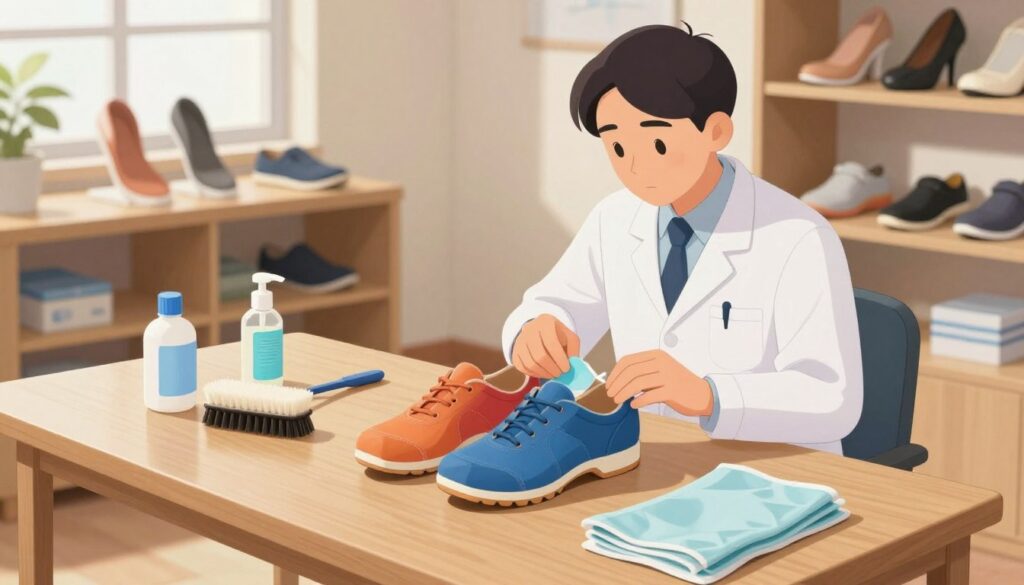
Cleaning your orthotics regularly is key to keeping them clean and preventing bacteria or fungi growth. Use mild soap and water for cleaning. Make sure to dry them well before putting them away.
Store your orthotics in a cool, dry spot. Keep them away from sunlight, as it can damage the materials.
Signs That May Indicate Need for Replacement
Orthotics can wear out over time, showing signs like cracks or a loss of support. If they no longer fit right or cause pain, it’s time to think about getting new ones.
Extending the Lifespan of Your Orthotics
To make your orthotics last longer, follow the care tips from the maker. Avoid extreme temperatures. Regular checks can spot problems early.
| Care Activity | Frequency | Benefit |
|---|---|---|
| Cleaning | Daily | Maintains hygiene |
| Inspection | Weekly | Early issue detection |
| Storage Check | Monthly | Ensures proper storage conditions |
Financial Considerations and Funding Options
For seniors thinking about orthotics, knowing the costs is key. The price of orthotics changes based on type, materials, and custom features.
Price Ranges for Different Orthotic Types
Orthotics prices vary a lot. Custom-made orthotics fit your foot perfectly but cost more. They can be from NZD 500 to NZD 1,500 or more.
Insurance Coverage Possibilities in New Zealand
In New Zealand, some health insurance might cover orthotics costs. This is especially true if they’re needed for health reasons. Seniors should check their insurance or talk to their providers.
Government Subsidies and Support Programs
Eligible seniors might get government help for orthotics. These programs can lower the cost, making orthotics more affordable.
Cost-Benefit Considerations
Seniors should think about the benefits of orthotics. They can reduce pain, improve movement, and prevent falls. These advantages can greatly improve life quality and might even save on healthcare costs later.
By looking into the costs and funding options, seniors can make smart choices about orthotics.
Complementary Approaches to Foot Health for Seniors
Seniors can use many ways to help their foot health. These methods can help along with orthotics for better foot care.
Selecting Appropriate Footwear
Choosing the right shoes is key for seniors. It affects their foot health and how well they move. Proper footwear can ease foot pain and stop more problems.
Key Features to Look For
- Supportive arches to reduce strain on the foot
- Cushioning to absorb shock and reduce pressure
- A comfortable, roomy toe box to accommodate toe spread
- Breathable materials to keep feet dry and reduce the risk of fungal infections
Common Footwear Mistakes
Seniors often pick shoes that are too tight or lack support. Avoiding these errors can stop foot issues. For more on foot problems like plantar fasciitis, talk to a healthcare expert.
Gentle Exercises and Stretching Routines
Doing gentle exercises and stretches keeps feet and ankles flexible and strong. Simple toe curls and heel raises are easy to do at home to support foot health.
Other Conservative Treatment Options
There are other treatments besides orthotics and the right shoes. These include physical therapy, massage, and non-invasive pain management methods. By using these together, seniors can have better foot health and overall well-being.
Current Research on Orthotic Effectiveness
Research shows that orthotics can help with certain health issues. Studies have looked at how they affect foot health, especially in seniors.
Scientific Evidence for Various Conditions
Studies found that orthotics help with plantar fasciitis, flat feet, and other foot problems. Scientific evidence shows they can reduce pain and improve movement for people with these issues.
Limitations of Available Research
Even though research supports orthotics, there are limitations. Many studies have small groups or method problems. These can make their results less reliable.
Questions That Remain Unanswered
We still need more research on orthotics. We don’t know their long-term effects or how they work for everyone. We also don’t know the best design and materials for them.
More studies will help us understand how orthotics keep feet healthy, especially for seniors.
Conclusion
Orthotics can help seniors keep their feet healthy. They offer support and solve many foot problems that come with age. Knowing about different orthotics and their benefits helps seniors choose the right care for their feet.
Using orthotics can make moving easier, reduce pain, and improve overall health. It’s important for seniors to talk to a healthcare expert. This way, they can find the best orthotics for their needs.
In short, orthotics are a great way for seniors to deal with foot issues as they age. Adding orthotics to their foot care can lead to better foot health and a happier life.
This info is for learning only and not a replacement for doctor’s advice. Seniors should talk to a healthcare expert. They can help figure out the best treatment for each person.