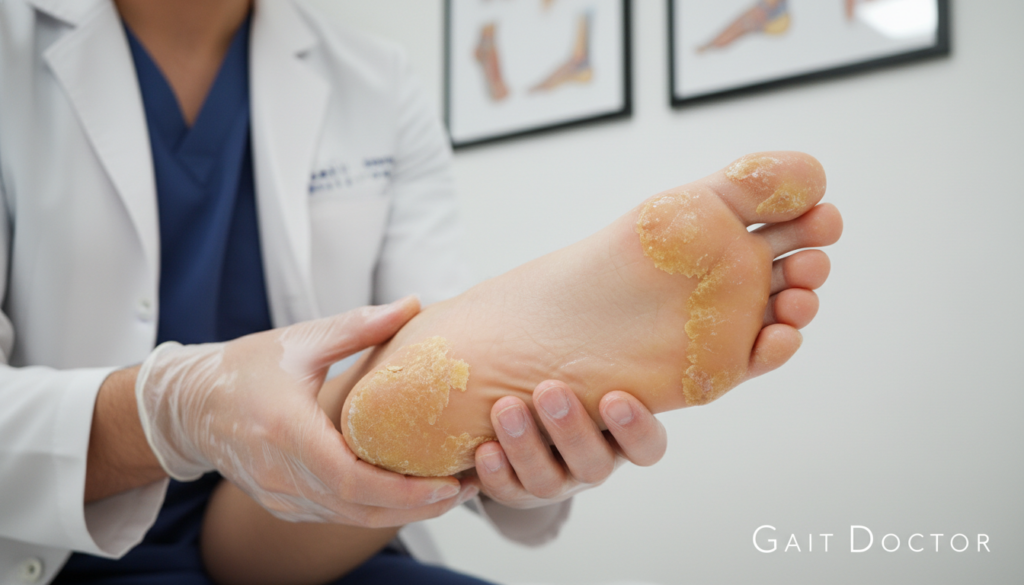
Corns and calluses are thick, hardened skin layers. They form when skin tries to protect itself from friction or pressure. This buildup results in hardened areas.
Calluses form from repeated pressure or friction on the skin. Knowing the causes and how to care for them is important.
Learning about foot mechanics helps prevent and treat calluses. It’s a step towards managing these issues.
Key Takeaways
- Corns and calluses are the body’s response to friction or pressure.
- Understanding the causes is crucial for effective management.
- Proper care can help alleviate discomfort.
- Foot mechanics play a significant role in callus formation.
- Taking preventive measures can reduce the occurrence of corns and calluses.
What Are Calluses and Corns?
It’s important to know about calluses and corns for good foot health. They are thick skin areas that grow from too much friction or pressure.
Defining Calluses
Calluses are thick skin spots on the soles of feet or hands. They help protect the skin from too much pressure. The American Academy of Dermatology says calluses can get big and not always hurt. But, they can get uncomfortable if not taken care of.
Defining Corns
Corns are small, hard skin spots with a hard center. They usually show up on toes from bad shoes or uneven foot pressure. Corns can hurt a lot when pressed.
Differences Between Calluses and Corns
Calluses and corns differ in size and where they appear. Calluses are bigger and can be anywhere on the foot or hand. Corns are smaller and on toes. Knowing the difference helps in treating and preventing them. Wearing the right shoes and taking care of your feet can help a lot.
Persistent Foot Calluses: Why They Keep Returning
Foot calluses that keep coming back might mean there’s a deeper problem with foot mechanics. It’s important to figure out why they keep coming back to manage them well.
The Protective Nature of Calluses
Calluses grow as a way to protect the skin from too much pressure or rubbing. They act like a shield, keeping the skin safe from more irritation. But, if they keep coming back, it means the problem hasn’t been fixed yet.
Recurring Pressure and Friction
Pressure and rubbing that keeps happening are big reasons calluses don’t go away. This stress can come from many things, like how you walk or the shoes you wear.
Underlying Structural Issues
There are deeper structural problems that can make calluses stick around. Two main things are:
- Bone Prominences: When bones are closer to the skin, it can cause more pressure, leading to calluses.
- Joint Misalignments: When the foot’s joints are off, it changes how pressure is spread. This can cause friction and calluses in some spots.
Bone Prominences
Bones that stick out can make pressure points, raising the chance of calluses. These can be because of how the bones are shaped or because of things like bunions or hammertoes.
Joint Misalignments
When the foot’s joints are not right, it messes up how the foot works. This uneven pressure can cause friction and lead to calluses.
Knowing about these issues is key to finding good treatments. Gait analysis is very helpful in spotting walking problems that lead to calluses.
Common Causes of Calluses and Corns
It’s important to know why calluses and corns happen. They often come from too much pressure and friction on the skin.
Friction and Pressure
Friction and pressure cause calluses and corns. The skin gets thick to protect itself. This can happen from activities like walking or running.
Footwear Issues
Badly fitting shoes can also cause calluses and corns. Shoes that are too tight or too loose put pressure on the foot. High heels and tight shoes can rub and irritate the skin.
Biomechanical Factors
How we walk and stand affects our feet. Issues like pronation and supination can put too much pressure on some areas.
Pronation and Supination
Pronation means the foot rolls inward too much. Supination means it rolls outward too much. Both can cause uneven pressure and lead to calluses and corns.
Weight Distribution Problems
When weight is not spread evenly, some areas get more pressure. This can make the skin thick and cause calluses and corns. A biomechanical assessment can find these problems.
| Cause | Description | Effect on Foot |
|---|---|---|
| Friction and Pressure | Repeated stress on the skin | Thickening of skin, callus formation |
| Poor Footwear | Tight or ill-fitting shoes | Increased friction, pressure on specific areas |
| Biomechanical Issues | Abnormal gait, pronation, supination | Uneven pressure distribution, callus formation |

Knowing why calluses and corns happen helps us prevent and treat them. Wearing the right shoes, taking care of our feet, and fixing biomechanical issues can help a lot.
Recognizing Symptoms and When to Seek Help
It’s important to know when to get help for calluses and corns. These issues are common but can sometimes show bigger problems. This is true for people with certain health issues.
Normal vs. Problematic Calluses
Normal calluses don’t hurt and happen when skin gets used to pressure. But, if they start to hurt, they might be a problem. Painful calluses can really mess up your day.
Warning Signs That Require Medical Attention
Some signs mean you need to see a doctor. These include:
- Increased pain or tenderness around the callus or corn
- Signs of infection, such as redness, swelling, or pus
- Changes in skin color or texture around the affected area
- Presence of underlying conditions like diabetes, which can affect foot health
Special Considerations for People with Diabetes
Diabetes makes calluses and corns more serious. Getting your feet checked often and taking care of them is key.
Risks of Self-Treatment
Trying to fix calluses and corns yourself can cause more harm. Don’t use sharp things or products that can hurt or get infected.
Professional Care Options
Seeing a podiatrist or foot specialist is best. They can give you the right help and advice for you.
The Role of Gait and Biomechanics in Callus Formation
How we walk can really affect calluses on our feet. Gait and biomechanics are key in how pressure spreads on our feet. This can lead to calluses.
How Walking Patterns Affect Foot Pressure Distribution
Our walking pattern, or gait, is complex. It affects how pressure spreads on our feet. Bad gait patterns can cause uneven pressure, raising callus risk.
For example, people with supination or pronation gait issues might get calluses. This is because of the uneven pressure on their feet.
Common Gait Abnormalities That Contribute to Calluses
Many gait issues can cause calluses. These include:
- Supination: where the foot rolls outward, putting too much pressure on the outer edge.
- Pronation: where the foot rolls inward, causing too much pressure on the inner edge.
- Overstride: where the foot hits the ground too hard, leading to calluses on the heel or ball.
The Connection Between Posture and Foot Pressure
Posture also affects foot pressure. Bad posture can change how we walk and put uneven pressure on our feet. This can make calluses more likely.
Whole-Body Alignment Considerations
Keeping the body aligned is important for good biomechanics. Misalignment in the body can mess up our gait and put uneven pressure on our feet. A detailed biomechanical check can spot these problems.
| Gait Abnormality | Effect on Foot Pressure | Potential Callus Location |
|---|---|---|
| Supination | Increased pressure on outer edge | Outer edge of foot |
| Pronation | Increased pressure on inner edge | Inner edge of foot |
| Overstride | Excessive force on heel or ball | Heel or ball of foot |
Gait Analysis: Identifying the Root Causes
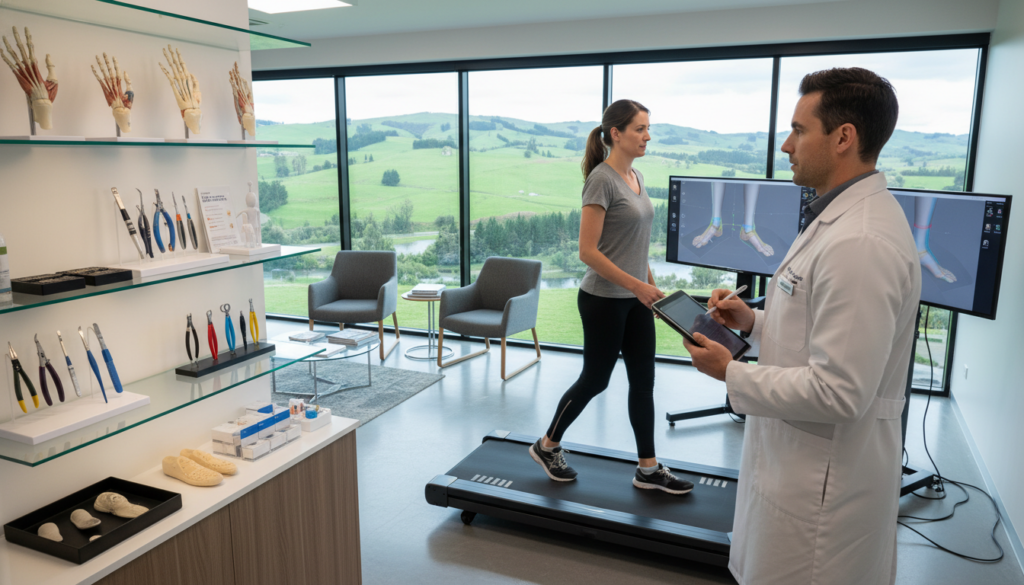
A detailed gait analysis can show what causes calluses. It looks at how a person walks to find problems with their feet.
What Is Gait Analysis?
Gait analysis studies how we walk. It uses our eyes and brain, plus tools to measure our movements. It finds issues that lead to foot problems like calluses.
Technologies Used in Modern Gait Assessment
Today, we use video, sensors, and force plates to study walking. These tools give us a full view of how someone walks.
What a Biomechanical Assessment Reveals
Pressure Mapping
Pressure mapping shows where pressure is on the foot while walking. It spots high-pressure spots that might cause calluses.
Movement Pattern Analysis
This looks at how we move, like our posture and how we step. It finds issues that affect our feet.
| Aspect of Gait Analysis | Description |
|---|---|
| Pressure Mapping | Distribution of pressure across the foot during walking |
| Movement Pattern Analysis | Examination of posture, stride length, and foot strike pattern |
Conservative Management Approaches
Managing calluses and corns is key. We focus on lessening friction and pressure. Good foot care stops calluses and corns from forming. We use many ways to ease pain.
Proper Footwear Selection
Choosing the right shoes is very important. Shoes that fit right and don’t rub help a lot. Look for shoes with a wide toe box to ease toe pressure.
Padding and Offloading Techniques
Padding and offloading techniques work well too. Padding materials like felt or foam spread out pressure. Offloading devices, like toe caps, cushion the sore spots.
| Technique | Description | Benefits |
|---|---|---|
| Padding | Using materials to cushion sensitive areas | Reduces pressure, alleviates discomfort |
| Offloading | Redirecting pressure away from affected areas | Minimizes friction, promotes healing |
Safe Home Care Practices
Safe home care is crucial for calluses and corns. Appropriate moisturizing keeps the skin soft. It stops dead skin buildup.
Appropriate Moisturizing
Moisturize often, best after bathing. This keeps the skin soft and moist.
Safe Exfoliation Methods
Safe exfoliation methods gently remove dead skin. Use a pumice stone or foot file carefully.
Professional Debridement
In some cases, professional debridement is needed. A healthcare pro can safely remove dead skin. This helps heal and relieves pain.
Using these methods in your daily routine helps manage calluses and corns. It makes your feet feel better and stay healthy.
Custom Orthotics as a Potential Support Option
Looking for relief from calluses and corns? Custom orthotics might help. They are made to support your feet and ease pain by spreading out pressure.
How Orthotics May Help Redistribute Pressure
Custom orthotics can help manage calluses and corns. They make sure pressure is spread out evenly on your foot. This cuts down on friction and pressure on sore spots, making you feel better.
| Benefits | Description |
|---|---|
| Redistribute Pressure | Custom orthotics help in evenly distributing pressure across the foot. |
| Reduce Friction | By providing adequate support, orthotics reduce friction on sensitive areas. |
| Alleviate Discomfort | Orthotics help in alleviating discomfort associated with calluses and corns. |
Different Types of Orthotic Devices
There are many orthotic devices out there. From ones you can buy over-the-counter to custom-made ones. Custom-made orthotics are made just for you, fitting your foot perfectly.
Limitations and Considerations
Not a Universal Solution
Custom orthotics are great, but they’re not for everyone. It’s important to know they might not work for you.
The Importance of Proper Fitting
Proper fitting is key for custom orthotics to work. You need a pro to make sure they fit right and meet your needs.
The Role of Professional Assessment
A detailed biomechanical assessment is crucial. It helps figure out if you need custom orthotics and how to make them work best for you. This assessment finds the main problem and makes the orthotics fit just right.
Gait Doctor’s Approach to Foot Care in New Zealand
Gait Doctor offers detailed biomechanical checks and custom plans for people in New Zealand. We focus on foot mechanics and gait to solve foot problems.
Approach to Foot Mechanics
At Gait Doctor, we care for your feet in a big way. Our team looks at your gait, foot shape, and more to find the cause of foot troubles.
Comprehensive Biomechanical Assessment
We check your gait, foot mechanics, and leg function in detail. This helps us find the best way to fix foot issues.
Individualized Management Strategies
We make plans just for you based on our findings. These might include exercises, special shoes, or other treatments to help your feet feel better.
Integration with Other Healthcare Providers
We work with doctors, physios, and podiatrists to give you the best care. This teamwork helps us tackle tough foot problems.
Collaborative Care Approach
We team up with other health experts to help you. This way, we can tackle many foot issues and make your feet healthier.
Conclusion: Taking a Holistic Approach to Foot Health
Managing calluses and corns means looking at the whole foot and body. Knowing why they happen helps us stop them. Wearing the right shoes and using pads are key steps.
For tough cases, checking how the body moves is important. This helps find and fix problems that cause calluses and corns.
Gait analysis and custom orthotics help spread out pressure. This makes walking more comfortable. It also helps prevent calluses and corns from coming back.
Working with doctors and other healthcare teams is also important. This is true for people with diabetes. It helps take care of the whole body, not just the feet.
Looking after the feet is about keeping the whole body healthy. It’s not just about the feet. Taking care of the feet helps us live better lives. Good foot care is key to staying healthy.