
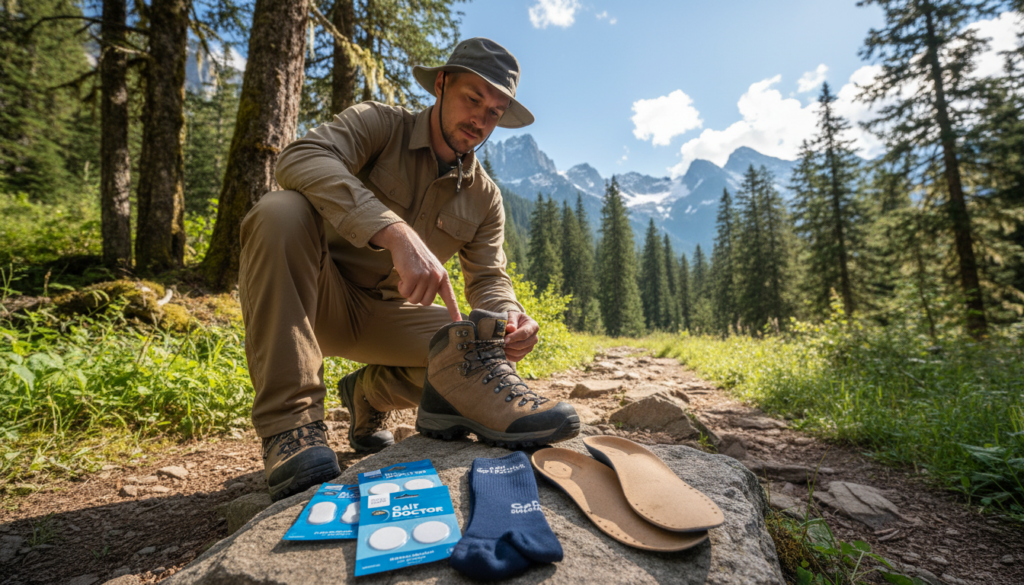
For outdoor lovers, hiking is a popular activity. It’s a great way to connect with nature. But, it can cause discomfort and foot pain if we don’t take the right steps.
Foot pain from hiking comes from many things. This includes shoes that don’t fit right, using your feet too much, and walking on uneven ground. Knowing why and how to stop it is key for a fun hike.
By taking care of our feet and following hiking tips, we can avoid foot pain. This way, we can enjoy our time on the trails more.
Key Takeaways
- Proper footwear is essential for preventing foot pain while hiking.
- Understanding the causes of foot pain can help in taking preventive measures.
- Following hiking tips can enhance the overall hiking experience.
- Foot care is crucial for hikers to prevent discomfort.
- Adopting preventive measures can minimize the risk of foot pain.
Understanding Foot Pain
It’s important for hikers to know why their feet hurt. Foot pain can ruin a hike. So, finding the cause is key.
Common Types of Foot Pain Experienced on Trails
Hikers face many foot pain issues. Plantar fasciitis hurts the heel and bottom of the foot. Achilles tendonitis causes pain in the back of the ankle.
- Plantar fasciitis
- Achilles tendonitis
- Blisters
These problems can get worse from bad hiking paths, wrong shoes, and poor foot care.
The Impact of Hiking Terrain on Foot Mechanics
Hiking paths can mess with how our feet work. Uneven paths can change how we walk, hurting our feet. Going down hills can hurt our knees and ankles. Going up hills can hurt our toes and the front of our feet.
Knowing how paths affect our feet is important. It helps us avoid foot pain and enjoy hiking more.
Why Prevention Matters for Long-Term Hiking Enjoyment
Stopping foot pain is crucial for loving hiking. By knowing why our feet hurt and acting early, we can avoid injuries. Wearing the right hiking boots, keeping our feet clean, and exercising our foot muscles helps.
Using these prevention tips makes hiking better. It lets us enjoy the trails without foot pain.
The Biomechanics of Hiking: How Your Feet Work on the Trail
Hiking is hard on your feet. It needs a special mix of biomechanics and movement. Knowing this helps hikers avoid foot pain and hike better.
Gait Patterns During Uphill and Downhill Hiking
Uphill and downhill hiking change how you walk. Uphill, your heel hits the ground first. Your ankle bends to help you climb.
Downhill, your foot lands more in the middle or front. This puts more stress on your knees and ankles. Changing how you walk can ease this stress.
Load Distribution Across the Foot
How your foot handles weight changes with the terrain and your walk. It’s key to avoid blisters and hotspots. Your foot has three main areas that handle weight: the heel, the ball, and the toes.
When you hike, these areas take turns bearing the weight. The heel and ball take most of the impact. For more on foot biomechanics, check out Understanding Foot Biomechanics.
| Load-Bearing Area | Function During Hiking |
|---|---|
| Heel | Initial contact and shock absorption |
| Ball of the Foot | Weight transfer and propulsion |
| Toes | Balance and final push-off |
The Role of Foot Mechanics in Hiking Efficiency
Good foot mechanics are key to hiking well. They help you keep a steady pace and avoid injuries. Things like foot pronation and toe spread matter.
Improving your foot mechanics can be done with strengthening exercises and the right hiking shoes.
Common Causes of Hiking Foot Pain
Knowing why your feet hurt while hiking is key to having fun. Foot pain can make hiking hard and less enjoyable.
Structural and Biomechanical Factors
Structural and biomechanical issues are big reasons for foot pain. Overpronation or supination can cause uneven pressure. This leads to pain and discomfort.
Differences in leg length or foot shape also cause foot pain. These can make hiking uncomfortable.
Environmental Influences
Environmental factors also play a big part in foot pain. Terrain difficulty, weather, and backpack weight affect your feet. Hiking on rough terrain or carrying a heavy pack can hurt your feet more.
Training and Conditioning Issues
Good training and conditioning help prevent foot pain. Insufficient training can make your feet tired and stressed. This increases the chance of pain.
Starting with short hikes and gradually increasing distance and intensity helps. It conditions your feet and lowers pain risk.
By knowing these causes, hikers can take steps to avoid foot pain. This makes hiking more enjoyable.
Recognizing Warning Signs: When to Address Foot Discomfort
Hikers need to watch for signs of foot trouble. Knowing the early symptoms helps fix problems before they get worse.
Early Symptoms That Shouldn’t Be Ignored
Look out for persistent pain, swelling, or redness in your feet. These signs might mean you have plantar fasciitis, tendonitis, or boots that don’t fit right.
| Symptom | Possible Cause |
|---|---|
| Persistent pain | Poorly fitting boots or overuse |
| Swelling | Overuse or inadequate footwear |
| Redness | Friction or pressure from boots |
Differentiating Between Normal Fatigue and Potential Injuries
Feeling tired is normal when hiking. But, sharp or persistent pain is not. It’s important to tell the difference between tiredness and pain that might mean an injury.
When to Seek Professional Assessment
If your foot hurts and doesn’t get better, see a professional. A podiatrist or sports injury doctor can help figure out what’s wrong and how to fix it.

Footwear Selection: The Foundation of Hiking Foot Pain Prevention
Choosing the right hiking boots or shoes is key. It helps prevent foot pain during and after hiking.
Understanding Hiking Boot Categories and Their Applications
Hiking boots come in different types. Lightweight boots are great for short hikes. Backpacking boots are for longer, tougher trips. Knowing this helps pick the right boots.
Key Features to Look for in Hiking Footwear
Look for important features in hiking shoes. Waterproofing and breathability keep your feet dry. Ankle support is vital for rough trails.
The Importance of Proper Fit and Sizing
A good fit stops blisters and discomfort. Make sure the width and toe space are right. This lets your toes move freely.
Ensuring Adequate Width and Toe Box Space
Wide and roomy toe boxes are comfy. A tight toe box can cause blisters.
Heel Lock Techniques for Secure Fit
Heel lock techniques improve fit. They keep your heel in place and stop slipping.
Knowing about hiking boot types, key features, and fit is key. It helps avoid foot pain and makes hiking better.
The Critical Role of Socks in Foot Protection
Socks play a big role in hiking. They keep your feet comfy and safe. They help stop foot pain and blisters.
Material Considerations for Different Conditions
Choosing the right sock material is key. For cold weather, pick wool or synthetic socks that keep warm and dry fast. For warm weather, go for lightweight, breathable socks.
- Wool Socks: Keep warm, breathe well, and fight off germs.
- Synthetic Socks: Dry fast, last long, and cost less than wool.
- Moisture-Wicking Socks: Keep your feet dry by pulling sweat away from your skin.
Sock Layering Strategies for Long Hikes
Layering socks helps keep your feet comfy on long hikes. Wear a thin liner sock under a thicker one. This cuts down on friction and blisters.
| Sock Layering Strategy | Benefits |
|---|---|
| Thin Liner Sock | Reduces friction, manages moisture |
| Thicker Hiking Sock | Provides cushioning, support, and extra warmth |
Specialized Features for Blister Prevention
Some socks have special features to stop blisters. Look for seamless designs, extra padding, and arch support. These help a lot with comfort and safety.
Knowing how important socks are for your feet can make hiking better. Choose the right ones for comfort and safety on trails.
Pre-Hike Foot Conditioning and Preparation
Getting your feet ready for a hike is important. It helps avoid foot problems. Strengthening and making your feet more flexible makes hiking better.
Strengthening Exercises for Foot Stability
Stronger foot muscles mean better balance on trails. Toe curls and heel raises are great for your feet. You can do them at home.
- Toe curls: Curl your toes under and then release. Repeat for 10-15 repetitions.
- Heel raises: Stand on the edge of a step with your heels hanging off. Raise up onto your tiptoes and then lower back down. Repeat for 10-15 repetitions.
Flexibility and Mobility Drills
Flexible and mobile feet are less likely to get hurt. Toe spreads and ankle rotations are easy but effective.
| Exercise | Description | Repetitions |
|---|---|---|
| Toe spreads | Spread your toes as far apart as possible and then bring them back together. | 10-15 |
| Ankle rotations | Rotate your ankle in both clockwise and counterclockwise directions. | 5-10 each direction |
Gradual Training Progression for New Hikers
New hikers should start slow. Begin with short hikes. Then, increase the distance and challenge over time.
Using these tips before your hike will make it more fun and comfortable.
Hiking Foot Pain Prevention Strategies on the Trail
To avoid foot pain on hikes, use special techniques. These include getting ready, knowing your body, and using good strategies on hikes.
Proper Lacing Techniques for Different Foot Types
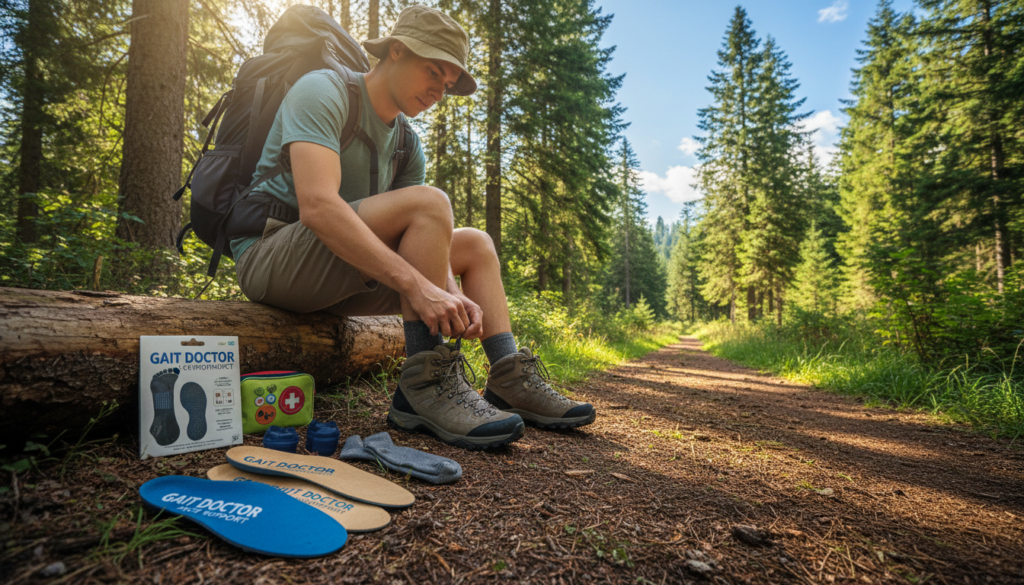
Lacing your hiking boots right is key to avoiding foot pain. Different feet need different lacing to feel comfy and supported. For example, people with high arches might lace differently to ease toe pressure. Those with flat feet might lace tighter to keep their heel in place.
Try out different lacing techniques to find what works for you. This can help prevent pain and discomfort on long hikes.
Rest and Recovery Protocols During Long Hikes
It’s important to take breaks and rest your feet. Stop to remove your boots and stretch to stay flexible. This helps avoid getting tired and hurt.
These recovery protocols help manage tiredness and catch problems early. This way, you can fix issues before they get worse.
Immediate Response to Early Discomfort Signs
Listen to your body and act fast if you feel any discomfort. This means noticing hot spots or pressure points and fixing them right away.
Hot Spot Management
Hot spots can turn into blisters if not treated. To manage them, stop and adjust your shoes. You can also use special products to reduce friction.
Pressure Point Relief
Pressure points come from bad fitting shoes or too much strain. To ease them, try adjusting your laces or changing your socks. You can also use padding for sore spots.
By using these hiking foot pain prevention strategies, you can make your hikes better. Enjoy your adventures without foot pain.
Take Care of Your Feet: Post-Hike Recovery Practices
Good post-hike recovery practices can really improve your hiking. It makes the whole experience better.
Effective Cooling and Elevation Techniques
Cooling and elevating your feet can help a lot after a hike. Soaking your feet in cold water or using an ice pack can reduce pain. Elevating your feet helps by reducing blood flow to sore spots.
Try contrast water therapy for extra cooling. Switch between cold and warm water to help your body heal faster.
Self-Myofascial Release Methods
Self-myofascial release helps ease muscle tension. It’s great for hikers to reduce foot pain and improve flexibility. Use a foam roller or tennis ball to roll out your muscles.
Pay special attention to the plantar fascia, calf muscles, and Achilles tendon. These areas often get strained while hiking.
Nutrition and Hydration for Tissue Recovery
Good nutrition and hydration are key for recovery after hiking. Eating a balanced diet with protein, carbs, and fats helps repair tissues. Drinking plenty of water also helps by removing toxins and supporting healing.
Adding anti-inflammatory foods like turmeric and ginger to your diet can help too. They aid in the recovery process.
| Recovery Technique | Description | Benefits |
|---|---|---|
| Cooling | Soaking feet in cold water or using an ice pack | Reduces inflammation and pain |
| Elevation | Propping feet up on a pillow or cushion | Reduces blood flow to affected areas |
| Self-Myofascial Release | Using a foam roller or tennis ball | Relieves tension in muscles and connective tissue |
Professional Assessment and Intervention Options
Getting help from experts can really change a hiker’s experience. Foot pain can ruin a hike. Experts can find and fix the real cause of the pain.
The Value of Gait Analysis
Gait analysis is key for checking how a hiker’s feet move. It spots problems that cause pain. This helps find the best way to fix it, like with special shoes or therapy.
Biomechanical Assessment Considerations
A biomechanical check looks at the foot and leg’s structure and how they work. It finds issues like uneven foot movement. Knowing this helps make a plan just for the hiker.
Working with Specialists
Team up with podiatrists and physical therapists for full care. They know how to fix foot pain. Their advice helps hikers feel good and hike again.
When to Consult Podiatrists
Podiatrists fix foot and ankle problems. If pain doesn’t go away, see a podiatrist. They can give treatments like special shoes or surgery.
The Role of Physical Therapists
Physical therapists help hikers get better and move better. They use exercises and hands-on help. Their goal is to make hikers move well and stay healthy.
How Gait Doctor’s Assessment Approach Works
A gait doctor checks how a hiker walks and moves. This finds pain causes and suggests fixes. It helps make a plan to make hiking more comfortable and fun.
Building Resilient Feet for Lifetime Hiking Enjoyment
The secret to loving hiking forever is having resilient feet. You need good foot care, training, and ways to prevent problems. These steps help you enjoy hiking more.
To get resilient feet, knowing about foot mechanics is key. It helps you understand how your feet affect your hikes. This includes your walking style, how you carry your weight, and how your feet help you move better.
| Foot Care Strategy | Description | Benefits |
|---|---|---|
| Proper Footwear | Choosing hiking boots that fit well and provide adequate support | Reduces the risk of foot pain and injuries |
| Foot Conditioning | Engaging in exercises that strengthen foot muscles | Enhances foot stability and resilience |
| Prevention Strategies | Implementing techniques to prevent foot pain and blisters | Improves overall hiking comfort and enjoyment |
By using these tips, hikers can hike without pain. This way, they can enjoy hiking for a long time.
Conclusion: Building Resilient Feet for Lifetime Hiking Enjoyment
Understanding foot pain helps hikers enjoy hiking for life. Resilient feet come from good shoes, training, and rest.
Fixing biomechanical issues and choosing the right boots are key. Adding strength exercises to your routine is also important. Don’t forget to recover well after hiking.
With the right steps, hikers can avoid foot pain and love hiking more. Follow this article’s advice to build strong feet for a lifetime of hiking.