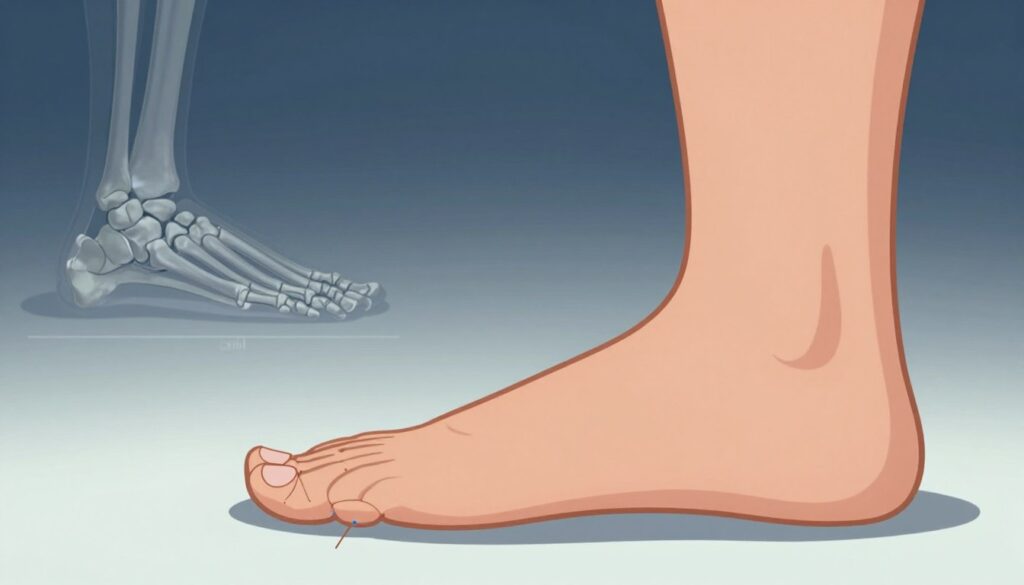
Knowing how our feet move is key to keeping our gait right and our foot health in check. Pronation and supination are two important movements. They help our body carry weight and move around.
Elizabeth Bass Daughtry, DPM, says these movements are crucial for a good gait. As we dive into foot mechanics, it’s clear that pronation and supination are vital. They help avoid injuries and keep our feet working well.
Key Takeaways
- Pronation and supination are natural foot movements.
- Proper foot mechanics are essential for overall health.
- Understanding foot movements can help prevent injuries.
- A healthy gait is crucial for locomotion and well-being.
- Foot health is closely linked to overall body health.
Understanding Foot Mechanics
Proper foot mechanics are key to avoiding injuries and staying healthy. They involve the foot’s bones, joints, muscles, and tendons. These parts work together to help us move.
The Role of Foot Movement in Overall Health
Foot movement is crucial for our health. It helps us move and supports our body’s weight. Nike CA says knowing about foot mechanics is important for staying healthy and avoiding injuries.
Basic Foot Anatomy and Function
The foot is made up of many bones, joints, muscles, and tendons. Knowing its basic parts helps us understand how it works.
Bones and Joints
The foot has 26 bones and many joints. These work together to support and move us. The joints let us bend and adapt to different surfaces.
Muscles and Tendons
Muscles and tendons in the foot help us move and stay stable. They support the arch and help us walk and run.
| Component | Function |
|---|---|
| Bones | Provide structure and support |
| Joints | Allow for flexibility and movement |
| Muscles and Tendons | Enable movement and provide stability |
The Gait Cycle Explained
The gait cycle is the sequence of events in walking or running. It involves the foot’s parts moving together for a smooth stride.
Experts say knowing the gait cycle is key to spotting foot issues. This helps prevent injuries.
“The way we move is directly related to the health of our feet. By understanding foot mechanics, we can take steps to prevent injuries and maintain overall health.”
What Is Pronation?
Pronation is the natural inward movement of the foot. It’s key for shock absorption during activities like running or walking. This movement can support the overall health of the foot by distributing the impact of each step.
Definition and Natural Function
Pronation is a normal part of walking or running. It happens when the foot strikes the ground and rolls inward. This inward motion helps to absorb shock and adapt to different surfaces, may help in reducing the risk of injuries.
The Pronation Movement Explained
During pronation, the foot rolls inward, and the arch flattens. This movement is accompanied by the rotation of the lower leg and the distribution of body weight across the foot. Proper pronation can support efficient movement and reduce the risk of overuse injuries.
Normal vs. Excessive Pronation
While some degree of pronation is normal and necessary, excessive pronation (overpronation) can lead to issues. Overpronation occurs when the foot rolls too far inward, putting additional stress on the foot and ankle.
Signs of Overpronation
Signs of overpronation include flat feet, uneven wear on shoes, and pain in the foot, ankle, or leg. Individuals with overpronation may also experience issues with their gait and posture.
Common Misconceptions
One common misconception is that pronation is always a negative trait. However, normal pronation is a natural and necessary part of movement. The key is distinguishing between normal and excessive pronation.
| Characteristics | Normal Pronation | Excessive Pronation (Overpronation) |
|---|---|---|
| Foot Movement | Mild inward roll | Excessive inward roll |
| Arch Support | Maintains arch integrity | Flattening of the arch |
| Potential Issues | Minimal risk of injury | Increased risk of pain and injury |
What Is Supination?
Supination is when your foot moves outward. It’s a natural part of walking and running. This movement helps keep your balance and pushes you forward.
Definition and Natural Function
Supination means your foot’s sole faces outward. It’s important for moving on different surfaces and keeping your foot flexible. Normal supination helps your foot move forces to the ground well.
The Supination Movement Explained
When you supinate, your foot rolls outward. Your weight shifts to the outer edge. Your foot’s arch tightens and your leg rotates outward. Proper supination keeps you stable and prevents foot and ankle stress.
Normal vs. Excessive Supination
Some supination is okay, but too much is not. Excessive supination (or oversupination) can strain your ankle and leg.
Signs of Oversupination
Oversupination signs include:
- Wear on the outer edge of the shoe
- Increased risk of ankle sprains
- Potential for developing conditions like plantar fasciitis
Common Misconceptions
Many think supination is always bad. But normal supination is good. It’s the too much that causes problems. Knowing the difference helps fix issues.

Pronation vs Supination: Key Differences
It’s important to know the difference between pronation and supination for good foot mechanics. These movements are key to how our feet work, especially when we walk or run.
Movement Patterns Compared
Pronation is when the foot rolls inward and the arch flattens. On the other hand, supination is when the foot rolls outward and the arch becomes more defined. Both are important for absorbing shock and adapting to different surfaces.
The main differences are:
- Pronation involves inward rolling of the foot.
- Supination involves outward rolling of the foot.
- Pronation helps in shock absorption.
- Supination aids in propulsion during gait.
Visual Identification
There are ways to visually identify pronation and supination.
Footprint Analysis
Footprint analysis is one method. A very flat foot with little to no arch might show overpronation.
Shoe Wear Patterns
Looking at shoe wear patterns is another way. Shoes worn down more on the inner side suggest overpronation. Shoes worn down on the outer side might show oversupination.
Impact on Gait and Posture
Pronation and supination affect how we walk and stand. Bad pronation or supination can cause problems like plantar fasciitis or shin splints. It can also affect leg and lower back alignment, leading to posture issues.
Elizabeth Bass Daughtry, DPM, says knowing these differences helps pick the right shoes. The right shoes support natural foot movement, improving gait and preventing injuries.
Causes of Abnormal Pronation and Supination
Abnormal pronation and supination come from many structural and lifestyle reasons. Knowing these causes helps fix the problem and find the right treatment.
Structural Factors
Structural factors are key in causing abnormal pronation and supination. These include:
Foot Architecture
The foot’s shape and structure greatly affect pronation and supination. For example, people with flat feet or high arches might have abnormal foot mechanics. The foot’s architecture affects how it handles pressure and shock, leading to problems if not aligned right.
Leg Length Discrepancies
Leg length differences also cause abnormal pronation and supination. A leg being longer than the other changes how we walk, putting uneven pressure on our feet. This can cause too much pronation or supination on the longer or shorter leg.
Lifestyle Influences
Lifestyle factors also play a big part in abnormal pronation and supination. These include:
Activity Levels
Being very active, especially in sports that involve running, can lead to abnormal foot mechanics. For example, runners might overpronate due to the constant stress on their feet. Understanding overpronation and underpronation is crucial, as Powerstep points out.
Footwear Choices
The shoes we wear can greatly affect our foot mechanics. Wearing shoes that don’t support our feet or change our natural gait can cause abnormal pronation or supination. For instance, wearing high heels regularly can cause supination because it changes how our feet are positioned.
Previous Injuries and Their Effects
Previous injuries, especially in the foot, ankle, or leg, can also lead to abnormal pronation and supination. Injuries can change how our foot and leg work, affecting our gait and foot mechanics. For example, a bad ankle sprain can cause chronic supination if not treated right. Seeing a healthcare professional, like a chiropractor, as Gait Doctor suggests, can help assess and fix these issues.
Understanding these factors helps us take steps to reduce their impact. Seeking professional help when needed is also important.
How to Assess Your Foot Mechanics
Checking your foot mechanics is a big step to avoid foot problems. Knowing how your feet work is key to keeping them healthy and safe from injuries.
Self-Assessment Techniques
At home, you can use a few methods to check your foot mechanics. The wet footprint test and looking at your shoes are two easy ways.
The Wet Footprint Test
The wet footprint test is simple. Wet your feet and stand on a flat surface like paper or a floor. It shows if you have normal arches, flat feet, or high arches.
Examining Your Shoes
Looking at your shoes can also tell you about your foot mechanics. If the wear is uneven, it might mean your gait or foot mechanics need work.
Professional Assessment Options
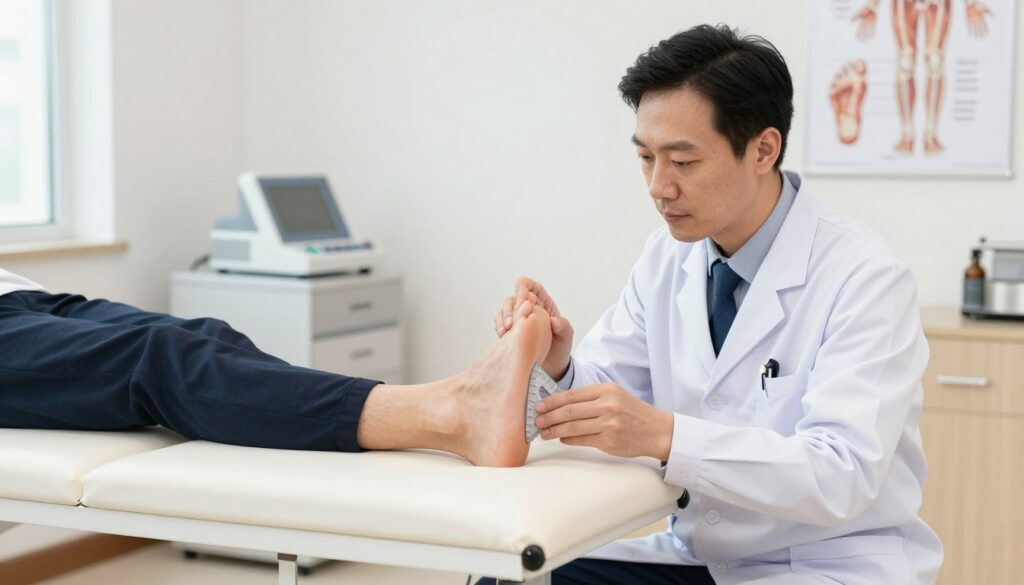
While home tests are helpful, a pro can give you more detailed info about your foot mechanics.
Podiatric Evaluation
A podiatrist can do a full check of your feet, including your structure, gait, and how your body moves.
Gait Analysis
Gait analysis looks at how you walk or run. It uses tech like video and sensors to see how your body moves.
Common Assessment Tools
| Assessment Tool | Description | Usefulness |
|---|---|---|
| Wet Footprint Test | A simple test to determine foot arch type | Helpful for initial self-assessment |
| Podiatric Evaluation | A comprehensive examination by a podiatrist | Provides detailed insights into foot mechanics |
| Gait Analysis | A detailed assessment of walking or running patterns | Identifies issues with gait and biomechanics |
This content is educational and not a substitute for professional medical advice.
Potential Issues Associated with Improper Foot Mechanics
Irregularities in foot mechanics can lead to health concerns. When the foot doesn’t function right, it can cause problems. These issues affect not just the foot but the whole lower limb.
Common Conditions Related to Overpronation
Overpronation can cause several problems, including:
- Plantar Fasciitis: This is inflammation of the plantar fascia. It causes pain in the heel and the bottom of the foot.
- Shin Splints: This is pain along the inner edge of the shinbone. It often happens when running or jumping.
Common Conditions Related to Oversupination
Oversupination leads to specific conditions, such as:
- Ankle Sprains: These are injuries to the ligaments around the ankle. They often happen when the foot rolls outward.
- Stress Fractures: These are small cracks in the bones. They usually occur in the foot or lower leg from repetitive stress.
Long-term Impact on Joint Health
Improper foot mechanics, whether overpronation or oversupination, can harm joint health over time. Abnormal stress and wear on the joints can lead to osteoarthritis. Keeping the foot mechanics right is key for joint health and mobility.
Knowing these potential issues helps people take action early. This can prevent more serious problems.
Supportive Approaches for Proper Foot Function
Having a healthy gait starts with proper foot mechanics. Certain exercises and stretches can help. They strengthen foot muscles, improve flexibility, and ensure proper movement.
Exercises to Support Healthy Foot Mechanics
Specific exercises can strengthen the foot’s arch muscles. This improves overall foot mechanics. Arch strengthening exercises, like toe curls and toe spreads, help stabilize the foot.
Arch Strengthening
Arch strengthening exercises are key for the foot’s natural arch. Toe curls, for example, involve curling toes under and then releasing. This may help strengthen foot muscles.
Balance Training
Balance training supports healthy foot mechanics. Standing on one foot or using a balance board can support better balance and stability.
Stretching Techniques
Stretching is crucial for healthy foot mechanics. Regular stretching can help improve flexibility and lower injury risk.
Calf and Achilles Stretches
Calf and Achilles stretches are very beneficial. For example, a calf stretch can be done by leaning against a wall and stepping back with one foot. This stretch may help improve calf and Achilles tendon flexibility.
Incorporating these exercises and stretches into daily routines can support healthy foot mechanics. This may also reduce the risk of foot-related issues.
Footwear and Orthotic Considerations
Choosing the right footwear and orthotics is key for foot health. They can help fix problems like overpronation and oversupination. This supports how your feet move.
Choosing Appropriate Footwear
Finding the right shoes is important for foot issues. For those who overpronate, look for shoes with strong arch support. Individuals who oversupinate need shoes with extra cushioning.
For Overpronation
Shoes for overpronation have stiff heels and strong arch support. Nike makes supportive shoes for this issue.
For Oversupination
Shoes with extra cushioning are good for oversupination. It’s important to find shoes that balance support and cushioning well.
When Orthotics May Be Helpful
Orthotics offer extra support for foot issues. They’re great for those with ongoing pain from overpronation or oversupination.
Custom vs. Over-the-Counter Options
Custom and over-the-counter (OTC) orthotics both have benefits. Custom orthotics fit your foot perfectly, while OTC orthotics are cheaper and easier to find. Your choice depends on your foot problem’s severity.
Transitioning to New Footwear or Orthotics
When trying new shoes or orthotics, start slowly. This lets your foot get used to the new support. It helps avoid discomfort or injury.
When to Seek Professional Help
Knowing when to get professional help is key for good foot health. Issues like abnormal pronation or supination can cause pain and bigger problems if not fixed.
Signs That Warrant Professional Attention
Foot pain that doesn’t go away, frequent injuries, or changes in how you walk are signs you might need help. Ignoring these signs can cause lasting damage. It can hurt not just your feet but also your ankles, knees, and back.
Types of Healthcare Professionals to Consult
Podiatrists and orthopedic specialists can help with foot mechanics problems. They offer advice and treatment plans made just for you.
What to Expect During a Professional Assessment
A professional will check your foot mechanics during an assessment. This might include looking at how you walk, examining your foot structure, and talking about your symptoms and lifestyle.
Conclusion
Understanding how our feet move is key to keeping them healthy. Pronation and supination are important in our walking and standing. They help prevent many foot problems, from simple ones to serious joint issues.
Nike says knowing about these movements is vital for healthy feet. By understanding how our feet work, we can avoid many injuries. This helps keep our feet in good shape.
This article is meant to educate, not replace doctor’s advice. Always talk to a healthcare expert for specific advice. They can check your foot mechanics and give you the best plan for your needs.