Sesamoiditis is when the sesamoid bones and their tendons get inflamed. This happens in the ball of the foot. It can make your big toe hurt a lot, making everyday tasks hard.
It’s important to know what causes it, its symptoms, and how to treat it. This helps manage the condition better.
The sesamoid bones help your foot work right. When they get inflamed, it can be from too much strain or injury. Spotting the signs early helps get the right help and avoid more problems.
Key Takeaways
- Understanding sesamoiditis is key to managing its symptoms.
- Sesamoiditis causes pain under the big toe due to inflammation.
- Repetitive strain or trauma can lead to sesamoiditis.
- Early recognition of symptoms is crucial for effective treatment.
- Proper treatment can help alleviate sesamoiditis pain.
Understanding Sesamoiditis
To start, we need to know about the sesamoid bones and their role in the foot. Sesamoiditis is when these bones or the tendons around them get inflamed. This happens under the big toe.
What Are Sesamoid Bones?
The sesamoid bones are tiny, pea-like bones in the tendons of the big toe. They sit under the first metatarsal head. They help with foot mechanics, acting like a fulcrum for tendons.
The Role of Sesamoids in Foot Function
The sesamoid bones play a big part in how the foot works. They help absorb pressure, reduce friction, and protect tendons when we walk or run. For more info, check out Understanding Sesamoiditis.
| Function | Description |
|---|---|
| Absorb Pressure | Reduces foot impact |
| Enhance Leverage | Acts as a fulcrum |
| Protect Tendons | Minimizes friction |
Causes and Risk Factors of Sesamoiditis
Many things can cause sesamoiditis. These include mechanical stress, how our bodies are made, and what shoes we wear. Knowing what causes it helps us prevent and treat it better.
Mechanical Stress and Overuse
Doing the same thing over and over can hurt the big toe. Running or dancing a lot can cause pain in the sesamoid bones. Changing how much you do or how hard you do it can make it worse.
Anatomical Variations
How our feet are shaped can also play a part. People with high arches or odd ways of walking might get sesamoiditis more easily. This is because their feet put more stress on the sesamoid bones.
Footwear Contributions
What we wear on our feet matters a lot. Shoes that are too tight or don’t cushion well can hurt the sesamoid bones. High heels are bad because they make us put more weight on our toes.
| Risk Factor | Description | Impact on Sesamoiditis |
|---|---|---|
| Mechanical Stress | Repetitive loading and sudden changes in activity | Increases inflammation and pain |
| Anatomical Variations | Differences in foot shape and structure | Affects pressure distribution across sesamoid bones |
| Footwear Choices | Tight, poorly cushioned, or thin-soled shoes | Increases pressure on sesamoid bones |
Recognizing Sesamoiditis Symptoms
Sesamoiditis starts with pain under the big toe joint. Spotting these signs early helps manage it better.
Common Pain Patterns
Pain from sesamoiditis is under the big toe, more when walking. It can be sharp or dull. Activities that put more pressure on the bones make it worse.
Common activities that may worsen the pain include:
- Walking or running on hard surfaces
- Jumping or dancing
- Wearing high heels or shoes that are too tight
Progressive Nature of Symptoms
Sesamoiditis symptoms can get worse over time if not treated. At first, pain is mild and only during specific activities. But, as it gets worse, pain can last longer and affect daily life.
| Symptom Stage | Pain Characteristics | Impact on Activity |
|---|---|---|
| Early | Mild pain during activity | Minimal impact |
| Moderate | Pain during and after activity | Some impact on daily activities |
| Advanced | Persistent pain, even at rest | Significant impact on daily life |
How Sesamoiditis Is Diagnosed
Diagnosing sesamoiditis takes a few steps. First, a doctor will check your foot and big toe. They look for pain in the sesamoid bones. Then, they might move your toe and foot to see if it hurts.
Next, they might use X-rays or MRI to see inside your bones. These tests help find out how bad the problem is. They also check for any other issues.
Physical Examination Techniques
A doctor will start by checking your foot and big toe. They look for pain in the sesamoid bones. They might also check how well you can move your toe and foot.
They will do special tests to see if it hurts. This helps them figure out what’s wrong.
Imaging Studies and Their Findings
After the check-up, the doctor might use X-rays or MRI. These tests show what’s going on inside your bones. They help find out how bad the problem is.
They also check for any other problems. The results help the doctor decide how to treat you.
| Imaging Study | Findings |
|---|---|
| X-ray | Fracture, displacement, or fragmentation of sesamoid bones |
| Bone Scan | Increased uptake indicating inflammation or fracture |
| MRI | Detailed images of soft tissue and bone pathology |
Sesamoiditis Pain Relief Approaches
To ease sesamoiditis pain, we need to know what it is and how to treat it. It causes pain under the big toe, making everyday tasks hard. Luckily, there are many ways to help manage this pain.
Rest and Activity Modification
Resting and changing activities that make pain worse are key. Stay away from activities that hurt your foot. This helps reduce pain and swelling.
Ice and Anti-inflammatory Measures
Ice on the sore spot can lessen pain and swelling. Taking anti-inflammatory drugs can also help control the pain.
Padding and Taping Techniques
Using padding and taping can give quick relief. Padding softens the area, and taping spreads out the pressure. This makes walking easier.
Medications and Their Role
Doctors might prescribe medicines for sesamoiditis pain. These include drugs for pain and swelling. Knowing how these medicines work is important for managing pain.
Footwear Modifications for Sesamoiditis
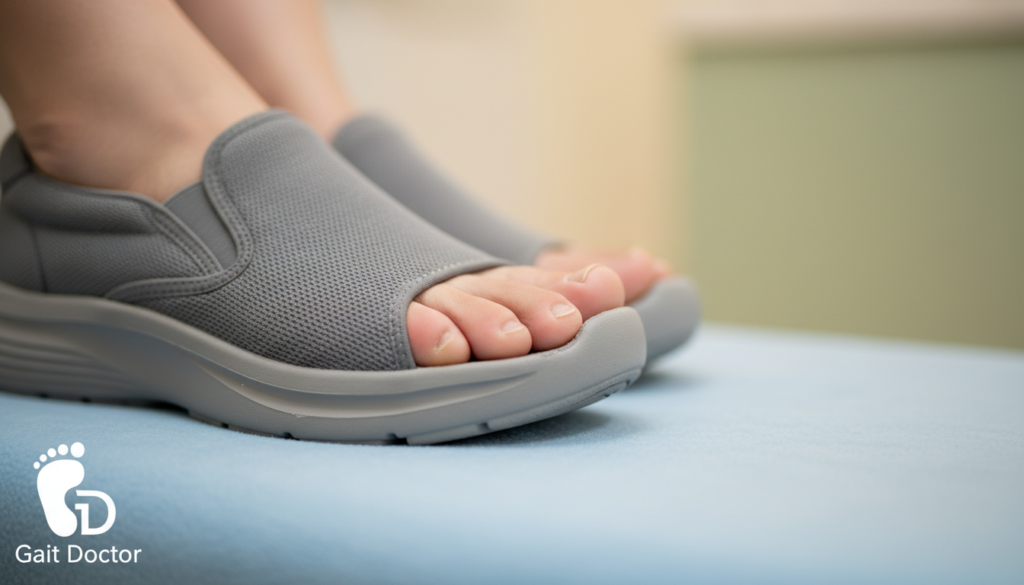
Changing your shoes is key for people with sesamoiditis. The right shoes can help with pain and healing. They make your foot feel better.
Optimal Shoe Features for Recovery
Look for shoes with cushioned heels and good arch support. These help your big toe and sesamoid bones. Shoes that fit well and support your foot are best.

Avoiding Problematic Footwear Styles
Some shoes make sesamoiditis worse. High heels and tight-fitting shoes are bad. They put too much pressure on your toes and bones.
Choose shoes that let your toes spread naturally. They should not squeeze your foot. Smart shoe choices help manage sesamoiditis and aid in recovery.
Physical Therapy and Exercise Interventions
A good physical therapy plan can really help with sesamoiditis pain. It includes special exercises to make your foot and toe stronger. This makes moving easier and less painful.
Strengthening the Foot and Toe
It’s important to make the muscles around the sesamoid bones stronger. This helps lessen pain and makes things work better. You can do towel stretches and toe curls to help.
Towel stretches mean putting a towel under your toes and pulling it towards you. Toe curls are when you curl your toes under and then let them go.
- Toe curls: Curl your toes under and then release. Repeat 10-15 times.
- Towel stretches: Place a towel under your toes and gently pull it towards you. Hold for 15-30 seconds and release.
Flexibility and Mobility Exercises
It’s also key to work on flexibility and moving better. Toe spreads and ankle rotations help with this. Toe spreads mean spreading your toes as far as you can. Ankle rotations are when you turn your ankle in both directions.
| Exercise | Description | Repetitions |
|---|---|---|
| Toe Spreads | Spread toes apart as far as possible | 10-15 |
| Ankle Rotations | Rotate ankle clockwise and counterclockwise | 5-10 each direction |
The Role of Biomechanics in Sesamoiditis
Biomechanics is key in dealing with sesamoiditis. How we move affects our sesamoid bones. This includes walking, running, and other activities.
Gait Analysis and Foot Loading Patterns
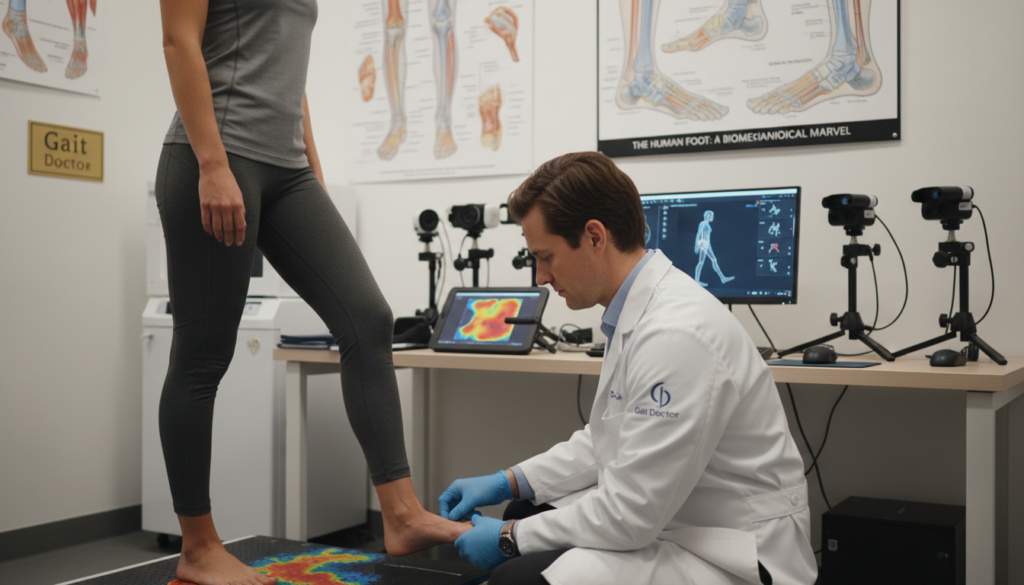
Gait analysis helps us see how biomechanics affects sesamoiditis. It looks at how we walk. This can show if our foot mechanics are off.
Issues like overpronation or supination can cause problems. They affect how pressure is spread on the foot. This can lead to stress on the sesamoid bones.
How Walking Mechanics Influence Sesamoid Stress
Walking mechanics play a big role in sesamoid stress. For example, too much pressure on the ball of the foot can cause problems. It’s important to understand this to treat sesamoiditis well.
A Gait Doctor can help a lot. They look at how we walk and suggest ways to fix it. This can help reduce stress on the sesamoid bones.
Professional Assessment and Support Options
When you have sesamoiditis, getting help from a pro is key. They can check your condition and give you a plan to get better. The Gait Doctor method is one way to figure out how your walking affects your sesamoiditis.
The Gait Doctor Approach to Biomechanical Assessment
The Gait Doctor looks at how you walk to find problems. They check for things like overpronation or supination. These can be fixed with the right help.
Custom Orthotics as a Support Option
Custom orthotics are often suggested for sesamoiditis. They fit your foot and help with stress on the sesamoid bones. This can really help manage your condition.
Getting professional help is more than just treating symptoms. It’s about finding and fixing the real problem. With the right help, you can manage your sesamoiditis better. For more info, visit this resource.
Conclusion: Managing Sesamoiditis for Long-Term Foot Health
Managing sesamoiditis well means using rest, changing shoes, and doing special exercises. Knowing what causes and shows sesamoiditis helps people take steps to feel better and avoid more harm.
A good plan also means not putting too much stress on the sesamoid bones. It’s about wearing shoes that support your feet and using orthotics if needed. Plus, doing exercises that make your foot strong and flexible.
Using these methods can really help your foot health for a long time. It lowers the chance of long-lasting pain and disability. Taking care of sesamoiditis lets people stay active and pain-free, keeping their life happy and healthy.