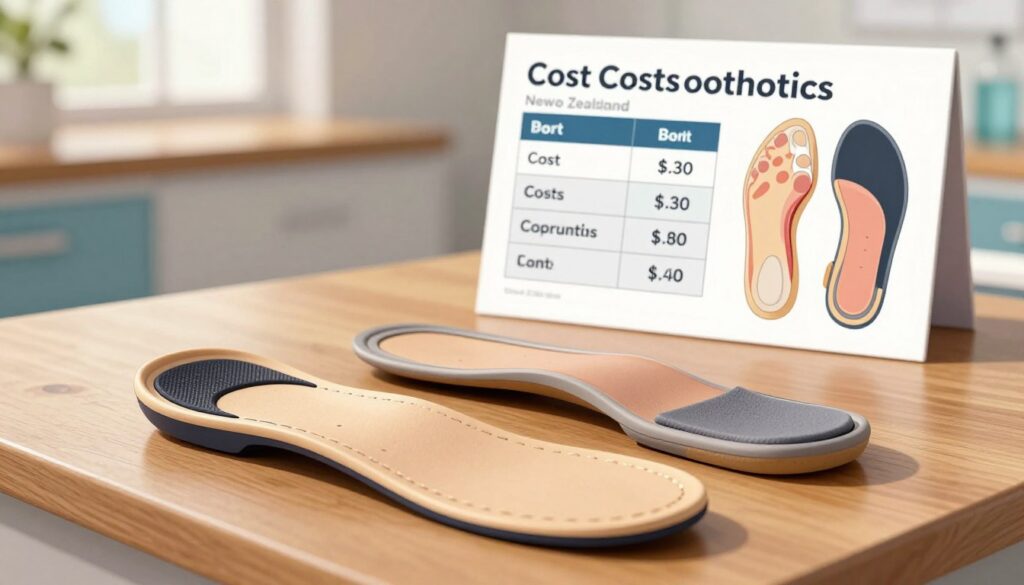
Custom orthotics are a great way to solve foot pain or discomfort. In New Zealand, their prices range from $295 to $560. This wide range is due to several factors.
The cost depends on the type of orthotic, the materials, and the practitioner’s fees. These elements all play a role in the final price.
Understanding the factors that influence the cost of custom orthotics is key. This knowledge helps you make better choices for your foot health. This article will look at the different prices in New Zealand and the benefits of custom orthotics.
Key Takeaways
- Custom orthotics prices in New Zealand vary between $295 and $560.
- The cost is influenced by the type of orthotic and materials used.
- Professional fees of practitioners also impact the overall cost.
- Understanding these factors can help individuals make informed decisions.
- Custom orthotics can significantly improve foot health and overall well-being.
What Are Custom Orthotics and Their Purpose
Custom orthotics are a treatment for foot pain. They offer support, ease discomfort, and improve foot function. It’s key to understand them for those looking for relief.
Definition and Types of Custom Orthotics
Custom orthotics are made to fit your foot perfectly. They help with different foot issues and support your feet.
Functional vs. Accommodative Orthotics
There are two main types: functional orthotics and accommodative orthotics. Functional ones fix biomechanical problems. Accommodative ones offer cushioning and support.
Full-Length vs. Three-Quarter Length Options
Orthotics come in different lengths. Full-length orthotics go to the heel for full support. Three-quarter length orthotics stop before the heel, for more flexibility.
How Custom Orthotics Differ from Over-the-Counter Insoles
Custom orthotics are made just for you, unlike over-the-counter insoles. They fit better and support your feet more precisely.
| Feature | Custom Orthotics | Over-the-Counter Insoles |
|---|---|---|
| Fit | Tailored to individual foot shape | Standard sizes |
| Support | Targeted support for specific conditions | General support |
Common Foot Conditions That May Benefit from Orthotic Support
Many foot issues can be helped by custom orthotics. These include plantar fasciitis, flat feet, and high arches. A professional can help choose the right orthotics for you.
“Custom orthotics can significantly improve the quality of life for individuals with foot pain by providing targeted support and alleviating discomfort.”
The Cost of Custom Orthotics in New Zealand
In New Zealand, the cost of custom orthotics changes based on several things. These include the type of orthotic and where you are. Knowing these costs is key for those thinking about getting orthotics.
Average Price Ranges for Different Orthotic Types
There are many types of custom orthotics, each for different foot issues. The prices for these can vary a lot.
Functional Orthotic Pricing
Functional orthotics help fix biomechanical problems. They usually cost between $400 and $600. For example, a functional orthotic might be about $495.
Sport-Specific Orthotic Costs
Sport-specific orthotics are made for athletes. They cost between $350 and $550. A sport-specific orthotic might be priced at $450.
Regional Price Variations Across New Zealand
Prices for custom orthotics also change depending on where you are in New Zealand. Cities usually cost more than rural areas.
| Region | Average Cost |
|---|---|
| Auckland | $520 |
| Wellington | $480 |
| Christchurch | $500 |
Price Comparison with International Markets
When looking at New Zealand’s custom orthotics prices versus the rest of the world, quality matters. It’s not just about the price.
New Zealand’s prices are often in the middle when compared globally. The average cost is competitive, showing good value for the quality and materials.
Factors Influencing Custom Orthotic Pricing
It’s important to know what affects the cost of custom orthotics. These costs can be high. Understanding what makes them pricey is key.
Material Quality and Durability
The materials used in custom orthotics greatly impact their price. High-quality materials mean they last longer and work better.
Plastic and Composite Materials
Plastic and composite materials are often used. They’re durable and flexible. “The material choice greatly affects the orthotic’s performance and life,” experts say.
Premium Materials and Their Benefits
Premium materials offer better comfort and support. For example, orthotic shoes with these materials give better arch support and cushioning.
Manufacturing Technology and Methods
Modern manufacturing tech and methods also affect prices. Techniques like 3D printing allow for precise customization. This improves the orthotics’ quality.
Practitioner Expertise and Clinical Setting
The practitioner’s skill and the clinic setting also matter. Experienced practitioners offer valuable insights. They make sure the orthotics fit the individual’s needs perfectly.
The Custom Orthotic Creation Process in New Zealand
In New Zealand, making custom orthotics starts with a detailed check of how the body moves. This is key to making orthotics that fit each person’s foot perfectly.
Initial Assessment and Biomechanical Evaluation
The first step is an initial assessment. Experts look at how you walk, the shape of your feet, and any health issues. This helps figure out the best orthotics for you.
Measurement Techniques Used by NZ Practitioners
NZ experts use different ways to measure your feet. These include:
Traditional Casting Methods
Traditional casting makes a mold of your foot. It’s a tried-and-true method that gives a precise picture of your foot’s shape.
Digital Scanning Technology
Digital scanning uses 3D tech to capture your foot’s details. It’s fast, accurate, and getting more popular.
| Measurement Technique | Accuracy | Time Efficiency |
|---|---|---|
| Traditional Casting | High | Moderate |
| Digital Scanning | High | High |
Production Timeframes and Delivery Expectations
Once the measurements are taken, making the orthotics starts. How long it takes depends on how complex they are and the tech used. Usually, it takes a few weeks to get your custom orthotics.
Additional Costs Beyond the Initial Purchase
Buying custom orthotics is more than just the first cost. The initial price is big, but there are other costs to consider. These costs help you understand the total cost of owning them.
Follow-up Appointments and Adjustments
After getting custom orthotics, follow-up appointments are needed. They ensure the orthotics fit right and make any needed changes. These visits can add to the cost, which might not be in the first price you hear.
Replacement Schedules and Costs
Custom orthotics don’t last forever and will need to be replaced. The replacement schedule depends on how much you use them, their material, and your needs. Knowing when they’ll need to be replaced and how much it will cost is key for planning your budget.
Compatible Footwear Considerations and Expenses
The right shoes are important for custom orthotics to work well. Some shoes work better with orthotics than others. You might need to buy special shoes to get the most out of your orthotics, adding to additional footwear expenses.
Knowing about these extra costs helps you make better choices for your foot health.
Funding and Insurance Options in the New Zealand Context
It’s important for New Zealand residents to know about funding and insurance for custom orthotics. These devices can be pricey. But, there are ways to make them more affordable.
ACC Coverage Criteria and Application Process
The Accident Compensation Corporation (ACC) in New Zealand covers custom orthotics under specific conditions. You need to have an injury that the ACC covers. To apply, you must submit a claim with proof from a doctor that you need the orthotics.
Private Health Insurance Policies for Orthotics
Private health insurance in New Zealand might also help with the cost of custom orthotics. Major insurers have different rules, so it’s key to check your policy.
Major NZ Insurers and Their Coverage Terms
| Insurer | Coverage Terms |
|---|---|
| Southern Cross | Partial coverage with a maximum limit |
| Accident Compensation Corporation (ACC) | Coverage for injury-related needs |
| AXA | Full coverage with certain policy conditions |
Claim Process and Documentation Requirements
To claim, you’ll need a doctor’s prescription, proof of purchase, and sometimes more medical records. The exact documents needed can differ by insurer.
Work and Income Support Possibilities
If you get support from Work and Income, you might get help with orthotics too. This is especially true if they’re needed to get back to work or keep your job.

Evaluating the Value of Custom Orthotics
Looking into the value of custom orthotics means checking if they help with pain and better movement. They are made to fit each person’s needs, helping with different foot issues. This can greatly improve foot health.
Potential Health and Mobility Benefits
Custom orthotics bring many health perks, like pain reduction and improved mobility. They offer specific support, easing foot pain. This lets people keep up with their daily tasks without trouble.
Longevity Compared to Over-the-Counter Alternatives
Custom orthotics last longer than store-bought insoles. They’re made from top-notch materials, lasting longer. This makes them a better value over time.
Quality of Life and Productivity Considerations
The effects of custom orthotics on quality of life and productivity are big. They help reduce pain and boost movement. This lets people stay active and enjoy life more.
Activity Level Maintenance
Custom orthotics are key for keeping up with activities. They offer the right support and comfort. This is vital for those who are active or have tough jobs.
Pain Reduction Potential
The chance for pain reduction is a big plus of custom orthotics. They tackle the main causes of foot pain. This helps people live better, without pain holding them back.
Cost-Effective Alternatives to Consider
If you’re looking for ways to ease foot pain without spending a lot, there are good options. Custom orthotics are great, but they can be pricey. Luckily, there are cheaper alternatives that can offer similar benefits.
Over-the-Counter Insoles Available in New Zealand
Over-the-counter (OTC) insoles are an affordable choice. Brands like Sorbothane and Dr. Scholl’s have a variety of insoles. They provide arch support and cushioning and are easy to find in pharmacies and online in New Zealand.
Semi-Custom Options and Their Price Points
Semi-custom orthotics are a good middle ground. They’re more tailored than OTC insoles but cheaper than custom ones. A study on NCBI shows they can help with many foot issues.
| Type | Price Range (NZD) | Features |
|---|---|---|
| OTC Insoles | $20-$50 | Cushioning, Arch Support |
| Semi-Custom Orthotics | $200-$400 | Tailored Support, Customizable |
| Supportive Footwear | $100-$300 | Built-in Arch Support, Comfortable |
Supportive Footwear and Modifications
Supportive shoes are another budget-friendly option. Brands like New Balance and Brooks make shoes with arch support and cushioning. If you have a favorite brand, some New Zealand brands also offer supportive shoes.
New Zealand Footwear Brands with Built-In Support
Some New Zealand brands make shoes that are good for foot comfort. These brands focus on support and comfort, making them great for people with foot pain.
When Simpler Solutions May Be Appropriate
For mild foot pain or if you’re not sure about custom orthotics, simpler solutions might work. OTC insoles or supportive shoes could be a good start. Always talk to a healthcare professional to find the best solution for you.
Selecting a Qualified Orthotic Provider in New Zealand
Finding the right orthotic provider in New Zealand is crucial for the best results. There are several important factors to consider when looking for one.
Professional Qualifications to Look For
A good orthotic provider must have the right professional qualifications. In New Zealand, podiatrists are key healthcare experts for foot and ankle issues.
Podiatrists vs. Other Practitioners
Podiatrists get deep training in foot problems. While others might offer orthotics, podiatrists are best for complex foot issues.
Registration and Certification Standards
Make sure your provider is registered with New Zealand’s boards. Podiatrists need to be registered with the Podiatrists Board of New Zealand. International certifications also show their skill level.
Questions to Ask Before Investing in Custom Orthotics
Before getting custom orthotics, ask important questions. Here are some to consider:
- What experience do you have with custom orthotics?
- Can you provide references or testimonials?
- What’s your method for diagnosing and treating my foot condition?
Warning Signs of Questionable Practices
Watch out for providers who:
- Make too-good-to-be-true promises
- Don’t clearly share their qualifications and experience
- Try to rush you into buying
Being informed and careful helps you find a qualified orthotic provider that fits your needs.

Conclusion: Balancing Cost and Quality for Your Foot Health
Choosing custom orthotics is a big decision, especially when thinking about the cost. In New Zealand, the price changes based on material, technology, and the expert’s skill. It’s key to balance cost and quality for the best foot health.
When looking at custom orthotics, think about the health and mobility gains. Also, consider how long they last, if you’ll need more visits, and if they fit with your shoes. Looking into funding, like ACC or private insurance, can also help.
It’s all about finding the right balance between cost and quality for your foot health. Talking to a skilled orthotic provider can help find the best fit for you. This info is for learning, not to replace doctor’s advice.