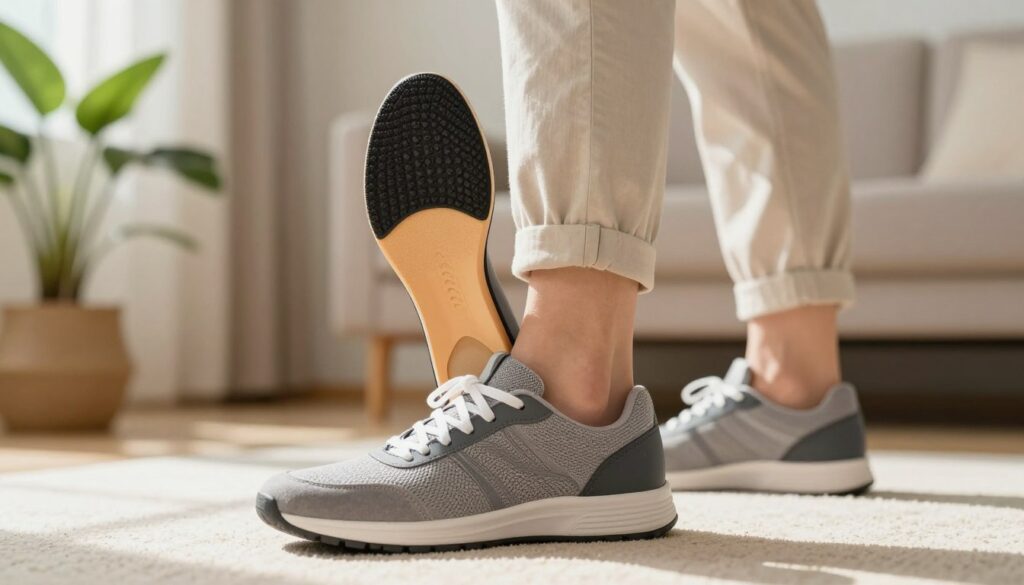
Orthotics are special devices for shoes to help with foot and ankle problems. They support the foot and fix its alignment. This is key for keeping your foot health in check.
Many people feel better when they wear orthotics every day. These devices spread out the pressure and reduce stress on the feet. This makes them more comfortable and improves their overall health.
Key Takeaways
- Orthotics can alleviate symptoms of various foot and ankle conditions.
- Daily use of orthotics can provide relief from foot pain and discomfort.
- Orthotics help in redistributing pressure and alleviating stress on the feet.
- Proper foot alignment is crucial for overall foot health.
- Orthotics can promote comfort and well-being by supporting the feet.
Understanding Orthotics: What They Are and How They Work
Orthotics are medical devices that help support and align parts of the body, especially the feet. They can be made just for you or bought off the shelf. They offer solutions for many foot and lower limb problems.
Definition and Purpose of Orthotics
Orthotics help with foot issues like pain and discomfort. They can also fix biomechanical problems. Neufoot.com says they support, align, and improve foot function. Their main goal is to ease pain, prevent injuries, and improve movement.
The Science Behind Orthotic Support
Orthotics work by spreading out pressure and stress on the foot. They add support and cushioning to fix biomechanical issues. Foot health experts say they help keep the foot aligned right and prevent plantar fasciitis.
Custom vs. Over-the-Counter Options
Orthotics come in two types: custom-made and over-the-counter (OTC). Custom orthotics fit your foot perfectly, offering precise support. OTC orthotics are ready-made and don’t need a doctor’s order. They’re cheaper, but custom ones are more tailored for complex issues.
In summary, knowing about orthotics is key for those dealing with foot and lower limb problems. Understanding their definition, purpose, and how they work helps make better choices for foot health. This includes knowing the difference between custom and OTC options.
Common Foot Conditions That May Benefit from Orthotic Support
Many common foot issues may find relief through the use of orthotic support. Orthotics can help alleviate various foot conditions, improving overall foot health and comfort.
Plantar Fasciitis and Heel Pain
Plantar fasciitis is a condition characterized by inflammation of the plantar fascia, leading to heel pain. Orthotics can help by providing additional arch support and cushioning, reducing stress on the plantar fascia. For more information on understanding and resolving plantar fasciitis, visit Gait Doctor’s resource.
Flat Feet and Overpronation
Flat feet, also known as fallen arches, occur when the arch of the foot collapses. Orthotics can help support the arch and reduce overpronation, which is the inward rolling of the foot during walking or running. This support can help alleviate pain and discomfort associated with flat feet.
Bunions and Hammertoes
Bunions are bony bumps that form on the joint at the base of the big toe, while hammertoes are toe deformities. Orthotics can help by redistributing pressure and providing a more comfortable fit in shoes, potentially reducing the severity of these conditions.
Arthritis and Joint Pain
Arthritis can cause significant joint pain in the feet. Orthotics can help by providing additional support and cushioning, reducing stress on the affected joints and potentially alleviating some of the pain associated with arthritis.
| Foot Condition | How Orthotics Can Help |
|---|---|
| Plantar Fasciitis | Additional arch support and cushioning |
| Flat Feet | Arch support and reduced overpronation |
| Bunions and Hammertoes | Redistributes pressure for a more comfortable fit |
| Arthritis | Additional support and cushioning to reduce joint stress |
The Benefits of Wearing Orthotics Every Day
Many people find big benefits from wearing orthotics every day. These benefits include less pain, better foot alignment, and support for the body’s mechanics. Orthotics help in many ways, making daily life easier.
Potential Improvement in Foot Alignment
Orthotics may help improve foot alignment. They offer the right support and fix any imbalances. This leads to a more natural walk and less strain on the feet and ankles.

Possible Reduction in Pain and Discomfort
Wearing orthotics can reduce pain and discomfort. They add support and cushioning, easing stress on sensitive spots. This makes everyday activities more comfortable. Many people with plantar fasciitis find relief with orthotics.
Support for Proper Biomechanics
Orthotics support proper biomechanics by ensuring the feet work right. This support also helps the ankles and knees, leading to a balanced walk. Good biomechanics is key to avoiding injuries and degenerative conditions.
Potential Prevention of Further Issues
Orthotics may help prevent more problems by fixing current foot issues. This proactive approach is great for people with conditions that could get worse if not treated.
| Benefit | Description |
|---|---|
| Improved Foot Alignment | Orthotics provide support to correct imbalances and promote a natural stride. |
| Pain Reduction | Additional cushioning and support alleviate stress on sensitive areas. |
| Proper Biomechanics | Orthotics ensure correct foot function, promoting a balanced gait. |
| Prevention of Further Issues | Addressing existing issues to prevent more severe problems. |
Beyond Foot Health: Potential Whole-Body Benefits
Orthotics do more than just help your feet. They can also improve your posture, ease knee and hip discomfort, and lessen back pain. This is because our body’s muscles and bones work together.
Possible Impact on Posture
Orthotics support your feet, which can change how you stand and move. Better posture means less strain on your muscles and joints. This can make you feel more comfortable and lower your injury risk.
How Orthotics May Affect Knee and Hip Alignment
Orthotics help your feet stay aligned, which affects your knees and hips. They keep your feet in the right spot, helping your knees and hips stay aligned too. This can reduce wear and tear on these joints.
Potential Influence on Back Pain
Back pain often ties back to foot health. Orthotics improve foot alignment and posture, which can ease back pain. Proper alignment lessens strain on your back muscles and spine.
In summary, orthotics can positively affect many health areas, not just your feet. They can improve your posture, knee and hip alignment, and back pain. By focusing on foot health, orthotics help balance and comfort your entire musculoskeletal system.
Daily Orthotic Use for Different Activities and Lifestyles
Orthotics are not just for specific foot conditions. They are also great for various activities and lifestyles. This makes them very useful for people with different needs and activity levels.
Orthotics for Walking and Everyday Activities
For those who are on their feet a lot, orthotics offer a lot of comfort and support. They help keep the foot in the right position and lessen strain on the feet and ankles.
Support During Exercise and Sports
Athletes and those who exercise often can benefit from orthotics made for sports. These orthotics give extra support and can help improve performance by ensuring the right biomechanics.
Workplace Considerations
In the workplace, orthotics are especially helpful for those who stand a lot or have jobs that are physically demanding. They can lessen fatigue and discomfort, which might help improve work performance.
Matching Orthotics with Different Footwear
One challenge of using orthotics every day is making sure they fit well with different shoes. Some orthotics are made to fit many shoe types, while others are more specific.
| Activity | Orthotic Benefits | Footwear Considerations |
|---|---|---|
| Walking/Everyday Activities | Comfort, Support, Proper Alignment | Comfortable, roomy shoes |
| Exercise/Sports | Performance enhancement, Injury prevention | Sport-specific shoes with adequate support |
| Workplace | Reduced fatigue, Comfort | Safety shoes or comfortable work boots |
Understanding how to use orthotics in different situations can help people get the most out of them. This can lead to better foot health overall.
Who Might Consider Discussing Orthotics with a Professional
Some people, especially those with certain foot issues or active lifestyles, might want to talk to a professional about orthotics. Orthotics can offer support, ease pain, and boost foot health for many groups.
Athletes and Active Individuals
Athletes and those who are active often benefit from orthotics. They can enhance performance by adding support and lowering injury risk. For example, runners might get orthotics that cushion their feet and ease joint stress.
People with Specific Foot Structures
Those with unique foot shapes, like high arches or flat feet, can greatly benefit from orthotics. Custom orthotics are made to fit these foot types, easing discomfort and enhancing movement.
Those Experiencing Recurring Foot Pain
People dealing with ongoing foot pain might want to talk to a professional about orthotics. Orthotics can spread out pressure and lessen pain from issues like plantar fasciitis.
Considerations for Different Age Groups
Orthotics are good for people of all ages. For kids, they can fix developmental problems. For older adults, they offer extra support and comfort.
| Age Group | Common Issues | Orthotic Benefits |
|---|---|---|
| Children | Developmental issues, flat feet | Correcting foot development, providing support |
| Adults | Plantar fasciitis, overpronation | Reducing pain, improving foot alignment |
| Older Adults | Arthritis, decreased mobility | Providing comfort, supporting mobility |
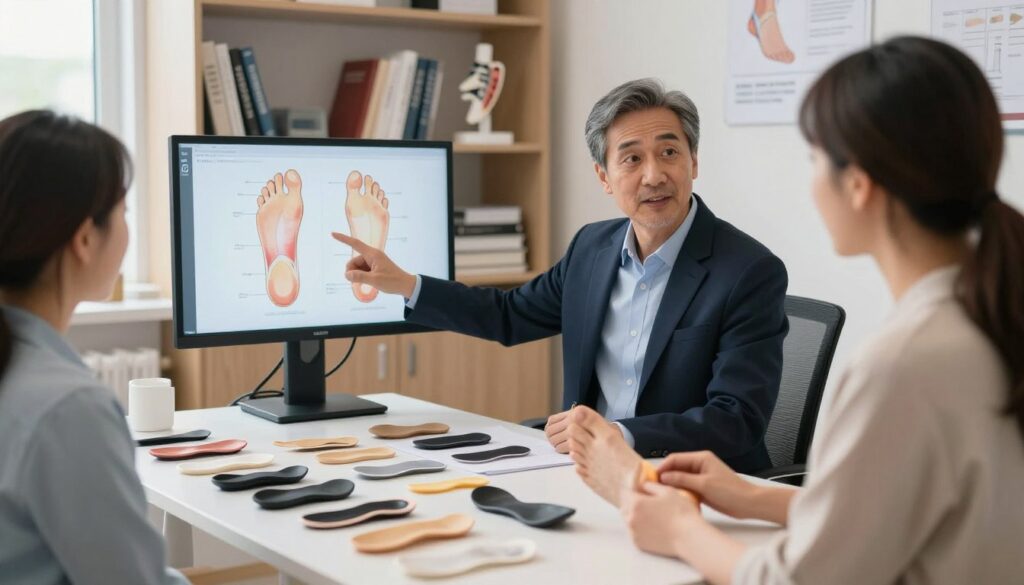
A podiatrist or foot health expert is key in suggesting orthotics. They look at the person’s foot health, lifestyle, and needs to find the best orthotic option.
Caring for Your Orthotics with Daily Use
Proper care and maintenance of orthotics are key for their long life and effectiveness. Daily use can wear them down, but with the right care, they can keep supporting and comforting you.
Cleaning and Maintenance Tips
Regular cleaning is vital to keep orthotics free from bacteria and odor. Clean them daily with mild soap and water. Stay away from harsh chemicals or abrasive materials that could harm them.
Daily Cleaning Routine:
- Wipe down the orthotics with a damp cloth
- Use mild soap that is gentle on the material
- Rinse thoroughly and dry with a clean towel
Signs That Orthotics May Need Replacement
Orthotics can wear out and lose their effectiveness over time. Look out for visible wear, persistent pain, or a change in fit. These are signs they might need to be replaced.
As noted by foot care specialists, regular check-ups can help determine if orthotics need to be replaced.
Extending the Lifespan of Your Orthotics
To make your orthotics last longer, follow a proper care routine. This includes regular cleaning, proper storage, and avoiding extreme temperatures.
“Proper care can significantly extend the life of your orthotics,” says a leading podiatrist.
Traveling with Orthotics
When traveling, pack your orthotics carefully to prevent damage. Use a protective case, and consider bringing a cleaning kit for maintenance on the go.
By following these care tips, you can keep your orthotics effective and comfortable. They will provide the support you need for daily activities.
The Orthotic Assessment Process in New Zealand
In New Zealand, podiatrists or foot health specialists do a detailed check. This check is key to see if you need orthotics and to make sure they fit right.
What to Expect During a Professional Evaluation
A podiatrist or foot health specialist will look at your feet closely. They’ll watch how you walk and check your foot’s shape. They look for any oddities.
Key parts of the check-up include:
- They watch how you walk to spot any movement problems.
- They check your foot’s shape for issues like flat feet or high arches.
- They talk about your health history and any pain you’re feeling.
The Role of Podiatrists and Other Foot Health Specialists
Podiatrists and other foot health experts are vital in this process. They know how to check your feet, find problems, and suggest the right orthotics.
They make sure the orthotics fit you perfectly, making them more effective.
Custom Fitting Technology and Methods
Today’s technology lets us make orthotics that fit you exactly. In New Zealand, they use 3D scanning and casting to make orthotics that match your foot perfectly.
| Method | Description | Benefits |
|---|---|---|
| 3D Scanning | Creates a detailed digital model of your foot. | Very accurate, quick. |
| Casting | Makes a physical mold of your foot. | Gives a detailed impression, great for complex cases. |
Follow-up Appointments and Adjustments
After getting your orthotics, you’ll need to come back for check-ups. These are to make sure they fit right and work well. Sometimes, they need to be adjusted for the best fit and comfort.
Knowing about the orthotic assessment process helps people in New Zealand. It shows the care and skill that goes into making custom orthotics just for you.
Conclusion: Considering Orthotics as Part of Your Foot Health Strategy
Adding orthotics to your foot care plan can be a smart move if you have foot pain. Knowing how orthotics work can help you keep your feet healthy. This proactive step can make a big difference.
Orthotics help your feet move right, ease pain, and stop problems before they start. If you’re thinking about orthotics, talk to a podiatrist. They can help find the right solution for you.
This article is meant to teach, not replace doctor’s advice. Always talk to a healthcare expert about your foot issues. They can give you the best advice for your situation.