Runners with flat feet often struggle to find the right shoes. Flat feet happen when the arches don’t form right or collapse. This leads to foot pain, overpronation, and discomfort in the knees, hips, and lower back.
Finding the right running shoes is key for those with flat feet. They need shoes with good arch support and stability features. The right shoes can ease foot pain and stop more discomfort.
Key Takeaways
- Understanding the causes and effects of flat feet is essential for selecting the right footwear.
- Runners with flat feet need shoes with adequate arch support and stability features.
- Proper footwear can help alleviate foot pain and prevent further discomfort.
- Selecting the right running shoes is crucial for runners with flat feet.
- Adequate arch support and stability features are key factors in choosing the right shoes.
Understanding Flat Feet and Their Impact on Running
For runners, knowing about flat feet is key. This condition can change how you run and might cause pain or injury. Flat feet happen when the arch of the foot doesn’t form right or collapses.
What Are Flat Feet?
Flat feet mean there’s little to no arch in the foot. They can be there from birth or come on later due to injury or wear and tear. It’s vital for runners to know about their foot mechanics because flat feet can affect how well and comfortably they run.
How Flat Feet Affect Your Running Biomechanics
Runners with flat feet often have overpronation. This means their foot rolls inward too much while running. This can put uneven pressure on the foot, leading to pain or injury. Knowing how your foot pronates is key to picking the right shoes and avoiding problems.
Common Discomforts Runners with Flat Feet May Experience
Runners with flat feet might feel foot pain, shin splints, or problems in their ankles and legs. Getting a professional check-up can help find the best way to deal with these issues.
| Common Issues | Description | Potential Solutions |
|---|---|---|
| Foot Pain | Pain or discomfort in the foot, often due to overpronation or poor foot mechanics. | Proper footwear, orthotics, or foot strengthening exercises. |
| Shin Splints | Pain along the shin bone, often associated with overuse or poor running biomechanics. | Rest, proper footwear, and exercises to strengthen the lower leg. |
| Ankle and Leg Issues | Discomfort or pain in the ankles and legs, potentially due to altered running mechanics. | Professional gait analysis, appropriate footwear, and strengthening exercises. |
The Importance of Proper Footwear for Flat-Footed Runners
Runners with flat feet face unique challenges. Choosing the right shoes is crucial for their comfort and safety. The right shoes can greatly improve their running experience.
Potential Benefits of Appropriate Shoe Selection
Choosing the right running shoes offers many benefits for flat-footed runners. Proper footwear helps distribute weight evenly and improves alignment. It also reduces strain on the feet and joints.
Experts from athletic shoe experts say the right shoes can make running more efficient and lower injury risks.
The benefits of proper shoe selection include:
- Improved running comfort
- Reduced risk of injuries
- Enhanced running efficiency
Risks of Running in Unsuitable Shoes
Running in the wrong shoes can cause problems for flat-footed runners. It can lead to discomfort, injuries, and affect their running performance. The risks of wearing the wrong shoes are shown in the table below:
| Risk | Description |
|---|---|
| Increased Injury Risk | Running in shoes that don’t support flat feet properly can lead to injuries like plantar fasciitis. |
| Discomfort | Unsuitable shoes can cause pain and discomfort during and after running. |
| Poor Performance | Inadequate footwear can negatively impact running efficiency and overall performance. |
Key Features to Look for When Choosing Running Shoes for Flat Feet
Choosing the right running shoes for flat feet is important. You need shoes that offer extra support and stability. This helps because flat feet lack an arch.
Motion Control and Stability Features
Motion control and stability are key for flat-footed runners. These features fight overpronation, a common issue. Shoes with these features are stiffer and offer more support.
Arch Support Considerations
Good arch support is essential for flat-footed runners. It helps reduce foot strain by supporting the arch. When picking shoes, look for ones with enough arch support for your foot.

Midsole Firmness and Cushioning
The midsole’s firmness and cushioning are crucial for comfort and performance. Flat-footed runners need a balance of firmness for support and cushioning for comfort. Too much of either can be uncomfortable.
Heel Counter Design
A good heel counter design is important for a secure fit. It prevents the foot from moving too much. This helps prevent injuries like plantar fasciitis.
| Feature | Importance for Flat Feet | Benefits |
|---|---|---|
| Motion Control | High | Reduces overpronation |
| Arch Support | High | Reduces strain on the foot |
| Midsole Firmness | Medium | Provides support and comfort |
| Heel Counter Design | High | Prevents excessive foot movement |
Analyzing Your Gait and Pronation Pattern
Understanding your gait and pronation can greatly improve your running. Knowing how your foot hits the ground and rolls is key. It helps pick the right shoes and avoid injuries.
Understanding Overpronation in Flat-Footed Runners
Runners with flat feet often experience overpronation. This means their foot rolls inward too much. It can stress the foot and leg, leading to injuries like plantar fasciitis or shin splints. Proper gait analysis is vital to see how severe it is.
Signs of overpronation include:
- Wear on the inner side of the shoe sole
- Flat feet or low arches
- Pain in the foot, ankle, or leg after running
Professional Gait Analysis Options in New Zealand
In New Zealand, runners can get professional gait analysis at specialty running stores. These stores have trained staff who use advanced tech to analyze your gait. They then suggest the best shoes for you.
A professional gait analysis includes:
- Video recording of your gait
- Pressure plate analysis to check foot strike patterns
- Personalized advice on shoe choices
Self-Assessment Techniques
While professional analysis is best, runners can also do simple self-assessments. The “wet test” is one method. Wet your foot and stand on a flat surface to see your footprint. A full footprint suggests flat feet or overpronation.
Look for signs of overpronation in your daily life and running. Uneven shoe wear or pain are clues. By knowing your pronation pattern, you can choose better shoes and training.
Types of Running Shoes That May Support Flat Feet
Choosing the right running shoes is key for runners with flat feet. It helps avoid discomfort and injuries. There are stability, motion control, and neutral shoes to support and stabilize the foot.
Stability Running Shoes
Stability shoes are for runners who overpronate, a common issue with flat feet. They offer extra support to stop the foot from rolling too much. These shoes have a dual-density midsole or a stability device to guide the foot.
They are great for flat-footed runners needing some support.
Motion Control Running Shoes
Motion control shoes are for those who overpronate a lot. They give the most support to fix the foot’s motion. These shoes have a stiffer heel counter and a big medial post to control the foot.
Runners with severe overpronation might need these shoes. It’s wise to talk to a specialist, like those at gaitdoctor.co.nz, to see if they’re right.
When Neutral Shoes Might Work
Neutral shoes are for runners with a neutral foot pronation. They might not support as much as stability or motion control shoes. But, some flat-footed runners with mild overpronation might find them okay.
It’s important to check your gait and pronation to see if neutral shoes work for you. If you have more pronounced flat feet, you might need stability or motion control shoes.
In conclusion, runners with flat feet have many shoe options. Knowing what each type offers helps make the right choice. This can improve their running experience.
Popular Running Shoe Brands and Models for Flat Feet
Many top brands make running shoes for flat-footed runners. They focus on support and stability. This is key for runners with flat feet.
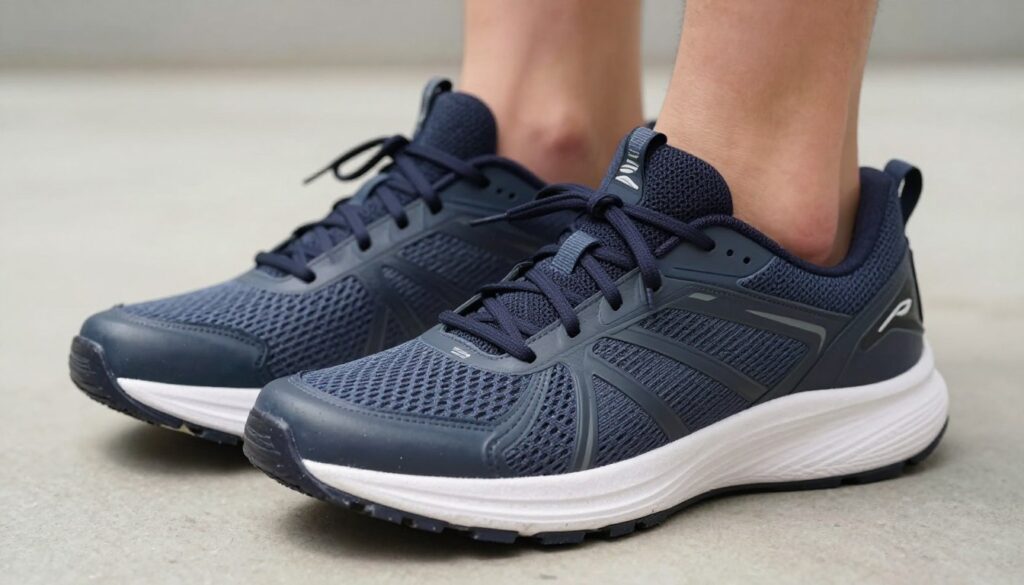
ASICS Models for Flat-Footed Runners
ASICS is a favorite among runners. They have models made for flat feet. The ASICS Gel-Kayano series is especially good for support and stability.
These shoes help with overpronation. This is a big problem for runners with flat feet.
Brooks Options for Enhanced Support
Brooks is known for supportive shoes. Their Brooks Adrenaline GTS line is great for flat-footed runners. They offer a smooth ride and lots of support.
These shoes are perfect for long runs.
New Balance Stability Choices
New Balance has many stability shoes for flat feet. The New Balance Fresh Foam series is known for comfort and support. They provide a stable ride and help prevent injuries.
Other Brands to Consider
Other great brands include Saucony and Hoka One One. They also make high-quality shoes for flat-footed runners. Each brand has different models, so it’s worth looking around.
When picking a shoe, think about what you like and how you run. Try on different shoes and go for a run. This will help you find the most comfortable and supportive one.
Beyond Shoes: Complementary Approaches for Flat-Footed Runners
Wearing the right running shoes is just the start for runners with flat feet. There are other ways to make running better. These methods can ease pain, boost performance, and lower injury risk.
Custom Orthotics and Insoles
Custom orthotics and insoles offer extra support and stability. They fit your foot perfectly and fix biomechanical problems. Custom orthotics are especially good for those with severe overpronation.
- Provide additional arch support
- Help correct biomechanical issues
- Can be used in conjunction with running shoes
Foot Strengthening Exercises
Doing foot strengthening exercises can make your foot more stable and functional. Toe curls, heel raises, and single-leg balances are great. They strengthen foot and ankle muscles, which can prevent injuries.
- Toe curls: Strengthens toe muscles
- Heel raises: Improves ankle strength
- Single-leg balances: Enhances overall balance and stability
When to Consult a Podiatrist or Physical Therapist
If you’re always in pain, see a podiatrist or physical therapist. They can give you a personalized plan. They’ll find out what’s wrong and help fix it.
Using these methods, runners with flat feet can enjoy running more. They can feel less pain and run better.
How to Test and Break In Your New Running Shoes
Choosing the right running shoes is just the first step. Testing and breaking them in is key for comfort and safety. This step is often missed but is crucial for support and comfort during runs.
In-Store Testing Tips
When trying on shoes, try to mimic your running. Wear the same socks you’ll run in and bring orthotics if you use them. Walk or jog to feel the shoes. For more tips, check out Runners Need.
- Look for a snug fit with room in the toe box.
- Make sure the heel stays put while walking or jogging.
- Watch for any spots that feel uncomfortable or tight.
Initial Wear Period Recommendations
Start by wearing your new shoes for short walks or easy runs. Gradually increase the distance and intensity. This helps your feet get used to the shoes and lowers injury risk.
Signs That Your Shoes May Not Be the Right Fit
Discomfort, pain, or odd wear patterns mean your shoes might not fit. Issues like blisters, hotspots, or numb toes are common. If these problems don’t go away, it’s time to rethink your shoe choice or get expert advice.
Conclusion: Finding Your Perfect Running Companion
Choosing the right running shoes is key for runners with flat feet. Look for shoes with good motion control, arch support, and firm midsoles. This helps prevent pain from overpronation.
Brands like ASICS, Brooks, and New Balance have great options for flat-footed runners. It’s important to try on shoes and break them in slowly. This prevents discomfort or injury.
Finding the right shoes takes time and thought. By considering your needs, you can pick the best shoes. This makes running more enjoyable and safe.