The study of foot biomechanics is key to understanding how we move and preventing injuries. It looks at the foot’s structure and how it affects our health and sports performance.
By studying foot anatomy and its mechanics, we can learn how to move better and avoid injuries. This is especially helpful for athletes and anyone who is active.
Key Takeaways
- The study of foot biomechanics is essential for understanding human movement.
- Foot anatomy plays a crucial role in overall health and athletic performance.
- Understanding foot mechanics can help prevent injuries.
- Knowledge of foot biomechanics is valuable for athletes and individuals who engage in regular physical activity.
- Analyzing foot biomechanics can provide insights into improving mobility.
The Fundamentals of Foot Structure
Understanding foot anatomy is key to knowing how the foot works. The foot is complex, supporting our weight and helping us move.
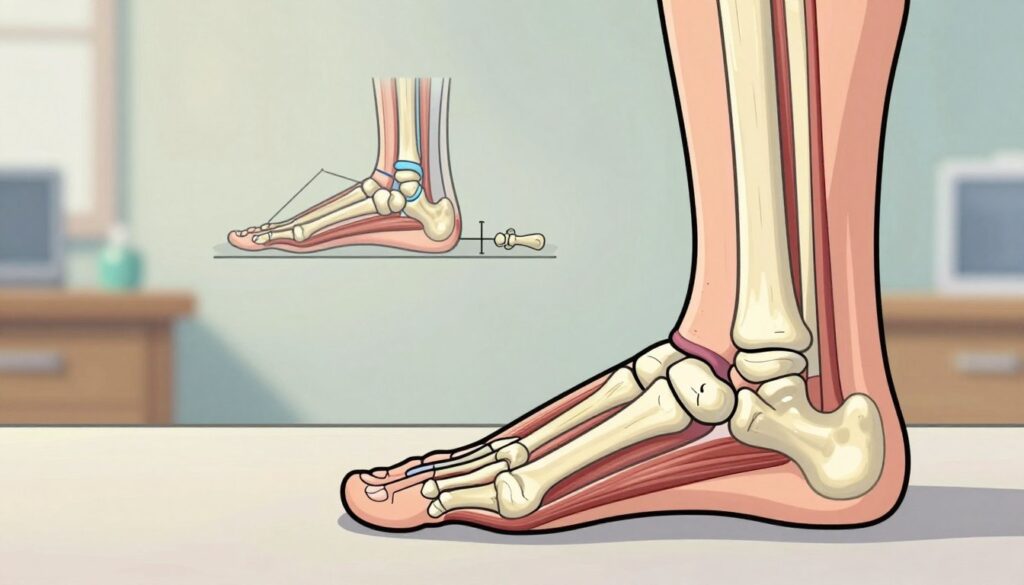
The foot has 28 bones, 112 ligaments, and 33 joints. These parts work together for stability and movement.
Bones and Joints of the Foot
The foot’s bones are divided into three groups: tarsal bones, metatarsal bones, and phalanges. The tarsal bones are in the hindfoot and midfoot. The metatarsal bones and phalanges make up the forefoot.
The foot’s joints, like the subtalar joint and metatarsophalangeal joints, allow for many movements.
Muscles and Tendons
The foot’s muscles are split into intrinsic and extrinsic groups. Intrinsic muscles are in the foot and control toe movements. Extrinsic muscles are in the lower leg and move the foot through tendons.
The Achilles tendon is a key example. It connects the calf muscles to the calcaneus.
Ligaments and Fascia
Ligaments are tissues that connect bones, keeping the foot’s joints stable. The plantar fascia supports the arch, helping with weight and shock.
Ligaments and fascia keep the foot’s structure strong.
Understanding Foot Biomechanics: How Your Feet Function
The human foot is a complex structure that plays a crucial role in our mobility. It is made up of numerous bones, muscles, and ligaments. These work together to help us move. Knowing how our feet function is key to understanding their importance in our daily lives.
The Gait Cycle Explained
The gait cycle is the sequence of events that happens when we walk or run. It involves many stages and phases of movement. The cycle can be split into two main parts: the stance phase and the swing phase.
Stance Phase Components
During the stance phase, the foot is in contact with the ground. This phase includes several components, like heel strike and toe-off. Proper functioning of the foot during this phase is crucial for balance and smooth movement.
Swing Phase Elements
The swing phase happens when the foot is not on the ground. It involves the foot moving forward, getting ready for the next heel strike. The swing phase is a complex mix of muscle activations and joint movements.
Weight Distribution Patterns
Weight distribution patterns show how the body’s weight is spread across the foot. A normal weight distribution is key for proper foot biomechanics and injury prevention. Abnormal distribution can cause foot-related problems.
Foot Types and Their Characteristics
Foot types vary among individuals and are based on their structural characteristics. Knowing your foot type is important for choosing the right shoes and orthotics.
Neutral Foot Structure
A neutral foot structure has a balanced weight distribution. It is considered the ideal, with a moderate arch height and proper bone alignment.
Variations in Arch Height
Variations in arch height, like flat feet or high arches, affect foot biomechanics. People with abnormal arch heights may face foot conditions like plantar fasciitis or ankle instability. Experts say, “Understanding foot type is crucial for managing and preventing foot-related issues.”
“The way we walk, run, and move is directly related to the function of our feet. Understanding foot biomechanics can help us appreciate the importance of proper foot care.”
Common Foot Alignment Variations
The way our feet align can greatly affect our posture, movement, and comfort. Foot alignment is about how the different parts of the foot line up. Different alignment can cause various biomechanical problems, impacting our foot health.

Pronation and Supination
Pronation and supination are normal foot movements during walking. Pronation is when the foot rolls inward. is when it rolls outward. Both help with shock absorption and adapting to surfaces.
- Pronation spreads out the impact force across the foot.
- Supination helps in creating a strong lever for pushing off during walking.
Flat Feet (Pes Planus)
Flat feet, or Pes Planus, happen when the foot’s arch collapses. This makes the whole sole touch the ground. It can be flexible or rigid, leading to overpronation and stress on the foot.
Common issues with flat feet include:
- Foot pain and tiredness
- Ankle instability
- Lower leg problems from changed biomechanics
High Arches (Pes Cavus)
High arches, or Pes Cavus, have a higher-than-normal arch. This can cause supination and lead to plantar fasciitis and metatarsalgia. These are due to too much pressure on the foot’s ball.
People with high arches may face challenges like:
- Higher risk of ankle sprains
- Foot pain from too much weight on the heel and ball
Biomechanical Assessment Methods
A detailed biomechanical assessment is key for treating foot problems. It checks the foot’s structure and how it works. This helps find any issues.
Static Assessment Techniques
Static assessment looks at the foot when it’s still. It checks if the foot leans inward or outward. It also looks at how much the foot’s joints can move. These steps help spot potential problems.
Dynamic Gait Analysis
Dynamic gait analysis watches how the patient walks or runs. It shows how the foot works during movement. This helps find issues with how weight is spread and where the foot strikes the ground. This info is vital for making treatment plans.
Pressure Mapping Technology Available in New Zealand
Pressure mapping technology is a big help in assessing the foot. It uses special tools to see where pressure is on the foot during different activities. In New Zealand, there’s advanced pressure mapping tech. It lets practitioners make detailed reports on foot function. This helps them create specific treatment plans, like orthotics and exercise programs.
How Foot Biomechanics Affects the Body
The way our feet function biomechanically affects our whole body. Foot biomechanics greatly influences how our lower limbs move and align.
Connection to Knee and Hip Function
The biomechanics of the foot is closely linked to the knee and hip. Abnormal foot biomechanics can lead to altered gait patterns. This affects the knee and hip joints.
For example, overpronation or supination can cause misalignment in the knee and hip. This can lead to pain and dysfunction.
Impact on Spinal Alignment
Foot biomechanics also affects spinal alignment. The body’s posture and alignment are influenced by how the feet strike the ground. Poor foot biomechanics can lead to a chain reaction of misalignment up the kinetic chain, affecting the spine.
Influence on Athletic Performance
Athletic performance is significantly influenced by foot biomechanics. Proper foot function is essential for optimal performance in various sports.
Running Efficiency
Efficient running requires optimal foot biomechanics. Proper foot strike and toe-off mechanics can enhance running efficiency. It also reduces the risk of injury.
Balance and Stability
Foot biomechanics also plays a crucial role in balance and stability. Athletes with optimal foot biomechanics tend to have better balance and stability. This is essential for performance in many sports.
Common Foot Conditions Related to Biomechanics
The way our feet function biomechanically can lead to various issues. These issues affect our overall foot health. Poor foot biomechanics can cause several common foot conditions. These conditions cause discomfort and pain.
Plantar Fasciitis
Plantar fasciitis is a condition where the plantar fascia, a band of tissue, gets inflamed. It runs along the bottom of the foot. It’s often caused by overuse or poor foot biomechanics. This leads to pain in the heel and bottom of the foot. Proper footwear and orthotics can help alleviate the symptoms.
Bunions and Hammertoes
Bunions and hammertoes are deformities caused by abnormal foot biomechanics. A bunion is a bony bump at the base of the big toe. Hammertoes are toes bent due to muscle imbalance. These conditions cause significant discomfort and affect the foot’s alignment.
Achilles Tendinopathy
Achilles tendinopathy is the degeneration of the Achilles tendon. It connects the calf muscles to the heel bone. This condition is often caused by overuse and poor biomechanics. It leads to pain and stiffness in the tendon. Strengthening the calf muscles and using proper footwear can help manage the condition.
Metatarsalgia
Metatarsalgia is a condition characterized by pain in the ball of the foot. It’s often caused by excessive pressure on the metatarsal bones. This is due to poor foot biomechanics or inappropriate footwear. Using orthotics and wearing shoes with a wide toe box can help reduce the pressure.
| Condition | Causes | Symptoms | Treatment |
|---|---|---|---|
| Plantar Fasciitis | Overuse, poor biomechanics | Heel pain, bottom of foot pain | Proper footwear, orthotics |
| Bunions and Hammertoes | Abnormal biomechanics | Bony bump, bent toes | Orthotics, proper footwear |
| Achilles Tendinopathy | Overuse, poor biomechanics | Tendon pain, stiffness | Calf strengthening, proper footwear |
| Metatarsalgia | Excessive pressure, poor biomechanics | Pain in ball of foot | Orthotics, wide toe box shoes |
Understanding these common foot conditions related to biomechanics is crucial. It helps in effective management and prevention. By addressing the underlying biomechanical issues, individuals can alleviate symptoms. This improves their overall foot health.
Footwear and Its Influence on Biomechanics
It’s important to know how shoes affect our foot biomechanics. The right shoes support our feet, while the wrong ones can harm them.
Selecting Appropriate Footwear
Finding the right shoes is key for healthy feet. Proper footwear can stop problems like plantar fasciitis and bunions. Think about the activity, fit, and support when choosing shoes.
- Ensure a comfortable fit with adequate toe room.
- Consider the arch support and whether it matches your foot type.
- Choose materials that are breathable and durable.
The Impact of Heel Height and Toe Box Width
The design of shoes, especially heel height and toe box width, affects our foot biomechanics. High heels, for example, can change how we walk and put pressure on our toes.
Athletic Footwear Considerations for New Zealand Activities
In New Zealand, athletes need the right shoes for their sport. Different activities need different shoe features.
Hiking and Trail Running Shoes
For hiking and trail running, shoes need adequate traction and protection. Look for shoes with aggressive tread patterns and protective toe caps.
Sports-Specific Footwear
Sports-specific shoes are made for specific sports. For example, rugby shoes need to be sturdy and supportive, unlike running shoes.
Orthotic Interventions for Biomechanical Issues
Orthotics are a great solution for people with biomechanical foot problems. They support the foot, correct alignment, and improve function. This can help with many foot issues.
Types of Foot Orthoses
There are different types of foot orthoses. Custom orthotics are made just for you, based on your foot’s shape and needs. Over-the-counter (OTC) orthotics are ready-made and come in standard sizes.
Custom orthotics are best for those with unique foot shapes or serious biomechanical problems. They’re made after a detailed check-up by a healthcare expert. This ensures they fit perfectly and offer the right support.
Custom vs. Over-the-Counter Options
Choosing between custom and OTC orthotics depends on several things. Custom orthotics are tailored for complex issues but cost more. OTC orthotics are cheaper and easier to find but might not fit as well.
It’s important to talk to a healthcare professional before choosing. They can help pick the best orthotic for you based on your foot’s needs. You can learn more about what orthotics can solve by visiting https://gaitdoctor.co.nz/problems-we-solve/.
What Orthoses May Help With
Orthotics can help with many biomechanical problems. They can ease pain from plantar fasciitis, flat feet, and more. By supporting the foot and aligning it properly, they improve function and reduce pain.
Potential Benefits
- Reduced pain and discomfort
- Improved foot alignment and function
- Enhanced athletic performance
- Prevention of further biomechanical issues
Limitations to Consider
While orthotics are very helpful, they’re not for everyone. Their success depends on your specific problem, the type of orthotic, and how well it fits. It’s also key to use them with other treatments, like exercises and the right shoes, for the best results.
Exercise Approaches for Optimizing Foot Function
Adding specific exercises to your routine can make your feet work better. This can lower the chance of foot problems. Exercise is key to keeping your feet healthy and mobile.
Foot Strengthening Exercises
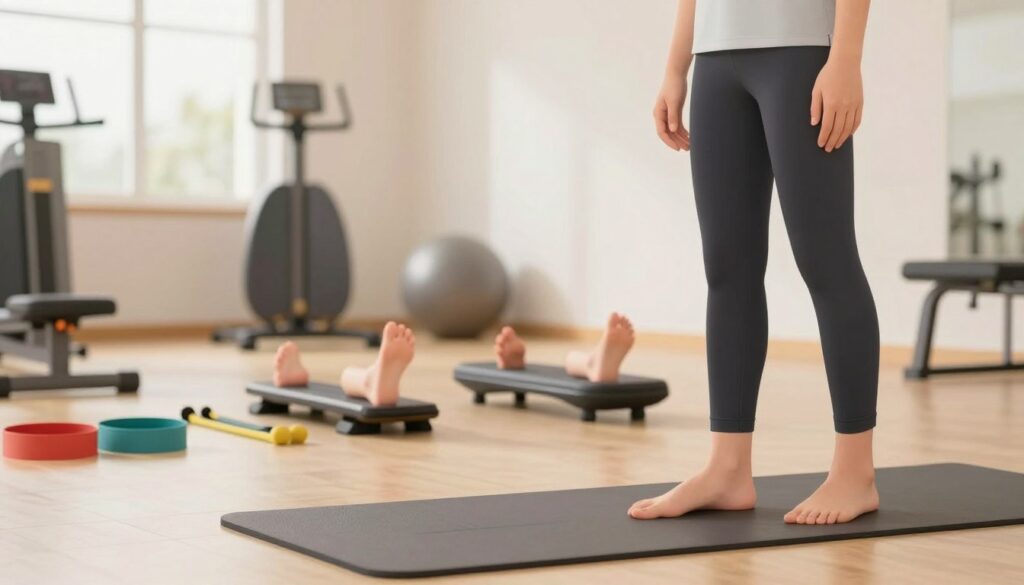
Strengthening your foot muscles is important for better foot mechanics. Toe curls and spreads are great exercises to do every day. They build the muscles inside your foot, making it more stable and supportive.
Experts say, “Strengthening your foot muscles can greatly lower injury risks and boost foot function.”
Mobility and Flexibility Techniques
Keeping your foot flexible is crucial for its full range of motion. Toe stretching and calf raises are easy yet effective ways to do this. These exercises help loosen up your foot and make it more adaptable to various surfaces and conditions.
Balance and Proprioception Training
Training for balance and proprioception is vital for your foot’s adaptability. Exercises like single-leg stands and balance boards can greatly improve your foot’s sense of balance. A study shows, “Balance training can lower fall risks and enhance lower limb stability.”
Conclusion: Maintaining Healthy Foot Biomechanics
Keeping your feet healthy is key to feeling good overall. Knowing how your feet work and how they affect your body is important. It helps you avoid common foot problems.
Good foot care means wearing the right shoes, using orthotics, and exercising right. Orthotics can fix foot issues and prevent injuries like plantar fasciitis. For more on plantar fasciitis, check out Gait Doctor.
Exercising your feet helps them work better. Studies show that new ways to measure foot movement are helpful. You can learn more on NCBI.
By focusing on foot health, you can lower your chance of foot problems. This improves your life quality a lot.